Best for gaming performance
LG B5 OLED
5.0 attribute score
Highest scored product for this attribute based on supporting review evidence.

Highest scored product for this attribute based on supporting review evidence.
Balances the attribute score, supporting reviews, and overall product strength.
Has the broadest review evidence for this attribute.
Strongest overall product among items with scored evidence for this attribute.
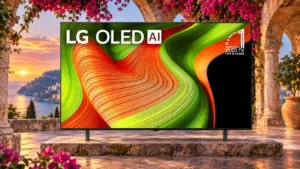
Overall: 4.2/5
Games respond quickly and move smoothly, with strong image quality and a nearly complete current-generation console feature set. The 120Hz ceiling chiefly limits demanding PC setups.
Pros: value for money, color accuracy
Cons: HDR brightness, reflection handling
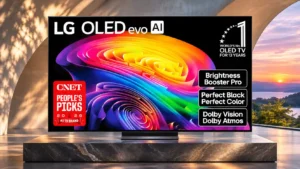
Overall: 4.1/5
Exceptionally fast pixels, low lag, 165Hz capability and four HDMI 2.1 inputs make the C6H one of the strongest large-screen gaming choices.
Pros: gaming performance, HDR brightness
Cons: reflection handling, glare resistance
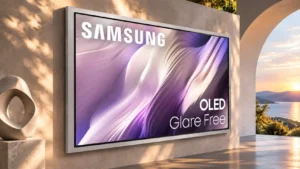
Overall: 4.2/5
Very low latency, clean motion, and rich HDR make this one of the strongest gaming TVs available.
Pros: picture quality, overall satisfaction
Cons: design and appearance, Dolby Vision support
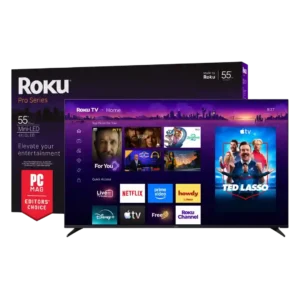
Overall: 4.4/5
Gaming performance is a standout strength, combining responsive controls, strong HDR color, smooth high-refresh output, and very low lag.
Pros: overall satisfaction, picture quality
Cons: reliability, portability and versatility
Overall: 3.8/5
Fast Game Mode response and four high-bandwidth ports are major strengths. Lab testing nevertheless finds more blur at 60Hz than the smooth 120Hz experience suggests.
Pros: HDMI 2.1 port count, overall satisfaction
Cons: HDR performance, bass performance
Overall: 4.1/5
Very low lag, fast pixels and broadly effective VRR make this an especially capable gaming TV.
Pros: black levels, contrast ratio
Cons: Dolby Vision support, stutter handling
Overall: 4.2/5
The G5 ranks among the strongest OLED gaming screens, combining bright HDR, low latency, sharp motion, and generous ports. Historical HDR10 banding complaints were largely patched.
Pros: overall satisfaction, picture quality
Cons: banding control, remote control quality

Overall: 4.5/5
Gaming performance is a standout, combining 165Hz support, VRR, low lag and excellent OLED contrast across consoles and PCs.
Pros: glare resistance, black levels
Cons: Dolby Vision support, color gamut
Overall: 4.0/5
Quick response, extremely low input lag and refined 120Hz motion make this one of the strongest areas of the B6E.
Pros: contrast ratio, black levels
Cons: reflection handling, color accuracy
Overall: 3.8/5
Smooth action, responsive controls and a comprehensive feature set make gaming a standout strength.
Pros: value for money, peak brightness
Cons: color accuracy, stand quality

Overall: 3.9/5
Fast response, low input lag and VRR make games feel exceptionally responsive. The 120Hz cap and firmware-specific HDR calibration caveat temper the praise.
Pros: color volume, black levels
Cons: Inconsistent panel and coating by size, sound quality
Overall: 4.3/5
Fast refresh, VRR, accurate True Game color and responsive controls make this a very capable gaming OLED despite the limited HDMI 2.1 inputs.
Pros: picture quality, color accuracy
Cons: bass performance, HDMI 2.1 port count

Overall: 4.1/5
The C6 is one of the strongest gaming TVs available, combining superb picture quality, low latency, full-featured HDMI ports, and smooth VRR performance.
Pros: picture quality, gaming performance
Cons: value for money, sound quality

Overall: 4.0/5
Fast inputs, nearly instantaneous response and flexible sync make this a standout entry-level gaming TV. Dolby Vision gaming is unavailable.
Pros: black levels, picture quality
Cons: glare resistance, reflection handling

Overall: 4.4/5
Fast response, extremely low input lag, four full-bandwidth HDMI ports, and rich HDR make the G6 an elite gaming TV across consoles and PCs.
Pros: picture quality, peak brightness
Cons: value for money, sound quality

Overall: 4.2/5
Low input lag, 4K high-refresh gaming and 8K clarity create a compelling big-screen gaming experience. Slower 60Hz motion and a 60Hz ceiling at 8K are the chief caveats.
Pros: high-refresh-rate gaming, gaming performance
Cons: value for money, bass performance
Overall: 3.9/5
This is one of the S90F’s clearest strengths: lively HDR color, minimal lag, VRR, and four fast HDMI inputs suit serious gaming.
Pros: value for money, overall satisfaction
Cons: Dolby Vision support, sound quality

Overall: 3.8/5
Gaming is an overall strength thanks to low lag, four capable HDMI inputs on larger sizes, and rich visuals. Fast-motion blur is the important counterpoint.
Pros: picture quality, contrast ratio
Cons: blooming control, glare resistance
Overall: 4.1/5
Gaming is a consistent strength, combining smooth OLED motion, rich contrast, and very responsive controls. Competitive players seeking higher refresh rates or more tools may want a step-up model.
Pros: contrast ratio, value for money
Cons: peak brightness, HDR brightness

Overall: 3.8/5
Games look brilliant, expansive, and responsive on this screen. Slight trailing and the occasional picture-mode quirk keep it short of flawless.
Pros: picture quality, overall satisfaction
Cons: color crosstalk, value for money

Overall: 4.0/5
Extremely low lag, quick pixel response and bright HDR place the S95F among the most capable gaming TVs.
Pros: reflection handling, overall satisfaction
Cons: Dolby Vision support, bass performance
Overall: 3.9/5
Gaming is the QNED92A’s clearest strength: four capable HDMI ports, low lag, and high refresh support make games responsive and fluid. Dark-pixel smearing and occasional HDR oddities are the main...
Pros: gaming performance, overall satisfaction
Cons: sound quality, value for money
Overall: 4.2/5
Gaming is a major strength across the set of reviews, with low lag, high refresh rates, strong HDR color, and responsive play repeatedly praised. Even the more cautious source still...
Pros: overall satisfaction, value for money
Cons: smart TV platform, blooming control
Overall: 4.0/5
Native 4K high-refresh gaming is a major strength, with responsive controls and impressive dark-scene contrast. Some tests find blur and input lag less competitive than premium OLEDs.
Pros: color accuracy, picture quality
Cons: HDR brightness, peak brightness
Overall: 3.8/5
Four full-speed HDMI inputs, low lag and strong refresh-rate support make gaming a standout strength. Motion blur in dark scenes and HDR calibration quirks limit the result for demanding players.
Pros: overall satisfaction, picture quality
Cons: value for money, local dimming performance
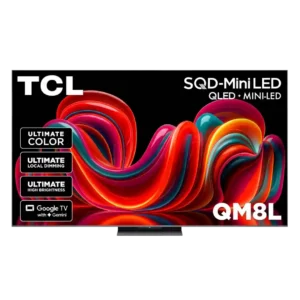
Overall: 4.4/5
The QM8L offers vivid HDR, low lag, multiple full-bandwidth ports, and high refresh rates for an excellent mainstream gaming experience. Competitive players may be bothered by its slower motion response.
Pros: picture quality, value for money
Cons: stand quality, judder handling
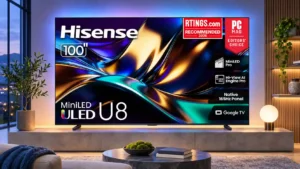
Overall: 4.1/5
Low lag and 4K high-refresh support impress, balanced against slower dark transitions on some tested panels.
Pros: peak brightness, HDR brightness
Cons: sound quality, viewing angles
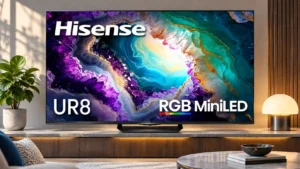
Overall: 4.0/5
Gaming is one of the clearest reasons to buy: responsive input and flexible connections impress despite occasional motion blur.
Pros: gaming performance, color volume
Cons: blooming control, dark-room performance

Overall: 3.8/5
Four fast HDMI inputs, low lag and broad console compatibility are major advantages, tempered by motion blur in challenging games.
Pros: picture quality, 4K at 144 Hz support
Cons: sound quality, value for money
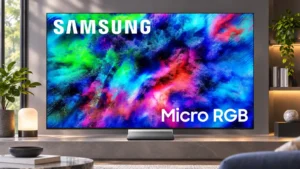
Overall: 3.7/5
Four high-bandwidth HDMI ports, responsive controls and vibrant HDR make this a highly capable gaming TV. Some games need picture tweaks, and motion is not always OLED-sharp.
Pros: color volume, overall satisfaction
Cons: value for money, color accuracy
Overall: 3.9/5
Responsive controls and attractive game colors are strengths, though high-frame-rate compatibility differs dramatically between the 60Hz and 144Hz groups.
Pros: picture quality, contrast ratio
Cons: HDR performance, motion handling
Overall: 3.7/5
Current consoles and fast PCs feel responsive thanks to low lag and 120/144Hz modes. Some smeared transitions and occasionally muddy textures stop it matching the fastest gaming displays.
Pros: value for money, HDR brightness
Cons: color accuracy, shadow detail
Overall: 4.0/5
Responsive controls, crisp motion and strong contrast make this a standout gaming TV. Some testers note a brightness drop in Game Optimizer.
Pros: value for money, overall satisfaction
Cons: Remote control usability, sound quality
Overall: 3.9/5
Low input lag, VRR and 144Hz support excite buyers, but slow pixel transitions undermine the experience in fast-moving titles.
Pros: overall satisfaction, picture quality
Cons: Weight and handling, black levels
Overall: 4.0/5
Fast pixels, high refresh and low lag make this a capable gaming OLED, especially when the correct HDMI ports are used.
Pros: overall satisfaction, picture quality
Cons: size options, value for money

Overall: 3.1/5
Extensive gaming features and excellent input lag are the standout strengths; actual moving-object clarity is much more contentious.
Pros: gaming performance, color accuracy
Cons: value for money, overall satisfaction
Overall: 3.8/5
Instant-feeling control response and sharp OLED motion make games enjoyable. Support for several consoles is excellent, even if HDR punch is limited.
Pros: HDMI 2.1 port count, Video input versatility
Cons: value for money, overall satisfaction
Overall: 3.4/5
Gaming is the clearest strength thanks to rapid inputs, VRR and high-refresh modes, though fast pixels and dark-game contrast are weaker.
Pros: picture quality, value for money
Cons: viewing angles, HDR performance
Overall: 4.0/5
Modern console titles look vibrant and feel responsive, yet motion smearing and the 120Hz ceiling keep it short of dedicated gaming leaders.
Pros: picture quality, black levels
Cons: HDR brightness, value for money
Overall: 3.9/5
Powerful HDR, low input lag and modern gaming modes make it a strong gaming TV. Motion smearing, occasional tearing or firmware quirks temper its appeal for the most demanding players.
Pros: peak brightness, overall satisfaction
Cons: value for money, shadow detail
Overall: 4.1/5
Strong input responsiveness and gaming-format support impress most testers, but substantial motion blur in measured tests limits the recommendation for fast-paced play.
Pros: overall satisfaction, value for money
Cons: Smart TV platform, advertising intrusiveness
Overall: 4.3/5
Gaming features and responsiveness exceed typical budget-TV expectations, but reports of fast-motion blur vary widely. It is a better casual than uncompromising competitive display.
Pros: picture quality, black levels
Cons: bass performance, HDR brightness
Overall: 4.0/5
Gaming is a major strength overall thanks to low lag, high refresh rates, and strong HDR impact, but motion smearing and VRR quirks divide reviewers.
Pros: overall satisfaction, picture quality
Cons: reliability, build quality
Overall: 4.2/5
High refresh rates and low lag receive broad praise, yet poor pixel transitions and motion trails lead to sharply divided gaming recommendations.
Pros: picture quality, glare resistance
Cons: value for money, bass performance
Overall: 4.2/5
Gaming is fast, colorful and responsive for consoles, particularly PS5. Enthusiast PC gamers may be less satisfied by 120Hz, two HDMI 2.1 ports and slower pixel transitions.
Pros: overall satisfaction, picture quality
Cons: HDMI 2.1 port count, reflection handling
Overall: 4.2/5
An impressive gaming feature list and very low lag coexist with middling motion sharpness for fast-moving objects.
Pros: overall satisfaction, glare resistance
Cons: motion handling, viewing angles
Overall: 3.9/5
A fast panel, VRR, and sharp HDR make the QM7K a strong all-round gaming screen. Motion trails keep it from being the absolute fastest option.
Pros: peak brightness, value for money
Cons: reflection handling, glare resistance
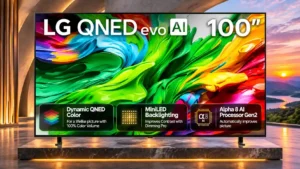
Overall: 3.7/5
Gaming connectivity and responsiveness are strong selling points, but there is a pronounced disagreement about how clean moving objects look in dark scenes.
Pros: picture quality, maximum volume
Cons: sound quality, bass performance
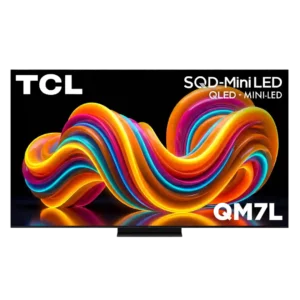
Overall: 3.9/5
Feature support, low lag, and vivid HDR make gaming a major strength for many users. Slow pixel response can also produce enough blur and smearing to make fast games unpleasant.
Pros: peak brightness, picture quality
Cons: color accuracy, viewing angles
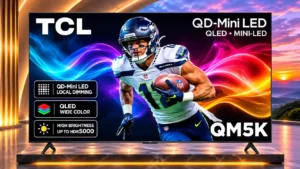
Overall: 3.6/5
Exceptionally low input lag and useful gaming controls make this a lively budget gaming TV, with native 4K speed and Game Master HDR brightness as limits.
Pros: black levels, picture quality
Cons: HDR performance, blooming control