If you want better banding control
Choose Hisense UR8SG. It scores 4.0 vs 2.0 for banding control, with a 4.0 overall score.

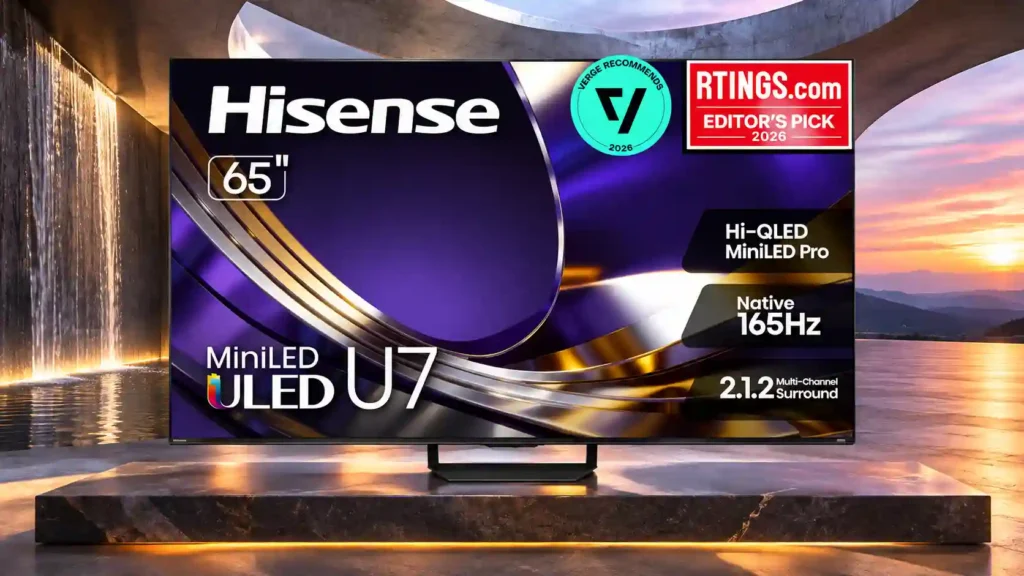
The U7SG is a standout midrange choice for bright living rooms thanks to its matte coating, HDR punch and full gaming connectivity. Its slow pixel transitions and narrow off-axis picture keep it from being the ideal TV for every viewer.
Daytime living-room viewers, casual console gamers and shoppers seeking a large, bright screen at a discount benefit most from the glare control, 4K gaming inputs and capable built-in sound.
Wide seating arrangements, dark-room perfectionists and competitive PC gamers seeking razor-sharp motion are less well served by its viewing-angle limitations, residual blooming and slow pixel transitions.
The Hisense U7SG makes the strongest argument for itself when daylight pours into the room. Its matte anti-reflective screen and exceptional brightness keep images vivid, while Mini-LED contrast and detailed upscaling make everything from sports to HDR movies enjoyable. Four high-bandwidth HDMI ports, 4K/165Hz support, and low input lag are unusually generous at this price, and the integrated speakers often outperform expectations. The compromises are real: pixel transitions can blur rapid action, side viewers lose color, and some units or presets expose dirty-screen patches, cooler HDR color, or uneven shadow handling. Built-in audio also draws different reactions, especially for deep bass and dialogue balance. Several reviewers emphasize that the price matters as much as the performance. On a meaningful sale, it is an excellent all-rounder; near launch pricing, it deserves comparison against OLEDs and premium Mini-LED competitors.
Compared with other TVs, this product is above average in reliability, glare resistance, HDMI port accessibility, near average in black levels, picture quality, below average in gradient handling, content recommendations, banding control.
| Attribute | This product | Category average | Difference |
|---|---|---|---|
| reliability | 5.0 | 2.7 | +2.3 |
| glare resistance | 4.8 | 3.2 | +1.6 |
| HDMI port accessibility | 4.5 | 2.7 | +1.8 |
| Power cable replaceability | 5.0 | 3.2 | +1.8 |
| HDR highlight detail | 4.8 | 3.1 | +1.6 |
| gradient handling | 2.3 | 4.0 | -1.7 |
| content recommendations | 2.0 | 3.7 | -1.7 |
| audio passthrough | 5.0 | 3.4 | +1.6 |
Choose Hisense UR8SG. It scores 4.0 vs 2.0 for banding control, with a 4.0 overall score.
Choose Hisense U6SF. It scores 4.5 vs 2.3 for gradient handling, with a 4.3 overall score.
Choose LG C6H OLED. It scores 5.0 vs 2.3 for response time, with a 4.1 overall score.
Choose Hisense UR9SG. It scores 4.0 vs 2.7 for local dimming zone transitions, with a 4.1 overall score.
Products reviewers directly compared with this model, grouped into quick takeaways.
Yes. Its strong peak brightness and anti-reflective coating are among its clearest advantages, especially around windows and direct lighting. Check the exact size because the very large versions may have different coatings.
Yes. Supported modes include 4K/120Hz, VRR and automatic low latency, with full-bandwidth HDMI 2.1 on the common sizes. Fast pixel response is less impressive than the high refresh rate suggests.
It offers up to 4K/165Hz and very low input lag, but dark transitions can smear and VRR behavior has some caveats. Players who prioritize the crispest motion may prefer a faster-response display.
For ordinary viewing, many find the 2.1.2-channel speakers clear and substantial enough. Dedicated soundbars or receivers remain better for the deepest bass and wider theater sound.
Mini-LED local dimming gives pleasing contrast and relatively deep blacks, but subtle halos, raised shadows and some flicker can occur. OLED remains preferable for critical movie viewing in total darkness.
The interface is generally fast and has an extensive app catalog. Large sponsored recommendations, layered controls and occasional setup or update friction are the main complaints.
Its strongest value comes during sales. Several reviews consider it exceptional at discounted midrange prices but less compelling when priced close to higher-end Mini-LED or OLED alternatives.
These are a few of the reviews included in our analysis.




The Hisense U7 offers a lot for its price, bridging the gap between budget and mid-range TVs, including hands-free control and an up to 165Hz...
Fine color, great sound, and cutting-edge gaming specs make the Hisense U7SG ULED a tempting budget QLED — unless you watch a lot in dark rooms.
Tech Steve reviews the 65-inch Hisense U7SG Mini-LED TV, covering picture quality, blooming, screen uniformity, HDR modes, motion, gaming and...
Hisense U7SG TV review: the 2026 Mini-LED TV is bright, glare resistant, and gaming-friendly, but motion blur and viewing angle limit it. Buy...
The Hisense U7SG offers elevated image quality for a lot less than an OLED TV.
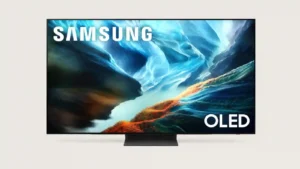
Choose the S90H for bright-room OLED viewing, deep blacks and top-tier gaming without flagship pricing. Skip it if you want Dolby Vision, a glossy screen or the simplest smart-TV software.
Pros: glare resistance, black levels
Cons: Dolby Vision support, color gamut
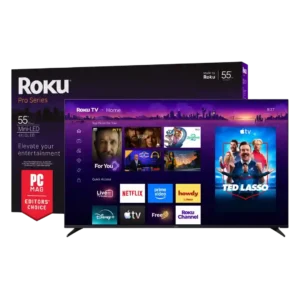
Best for bright Mini-LED picture, excellent built-in audio, easy Roku navigation, and responsive 4K/120 gaming. Skip it if you want ad-free menus, premium motion consistency, or stronger confidence in long-term...
Pros: overall satisfaction, picture quality
Cons: reliability, portability and versatility
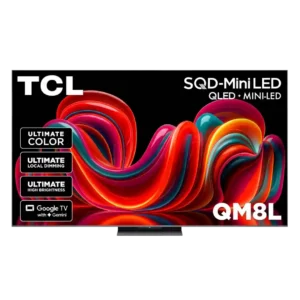
Choose the QM8L for a big, brilliantly bright TV with vivid HDR, deep mini-LED blacks, low input lag, and four HDMI 2.1 ports. Skip it if you need OLED-clean motion,...
Pros: picture quality, value for money
Cons: stand quality, judder handling
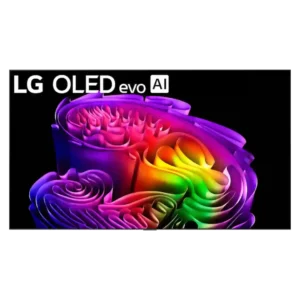
Choose the G6 for class-leading bright-room OLED picture, rich color, deep blacks and elite gaming. Skip it if you want strong built-in audio, polished launch firmware, no account sign-in, or...
Pros: picture quality, peak brightness
Cons: value for money, sound quality