If you want better build quality
Choose LG G6. It scores 5.0 vs 1.7 for build quality, with a 4.4 overall score.

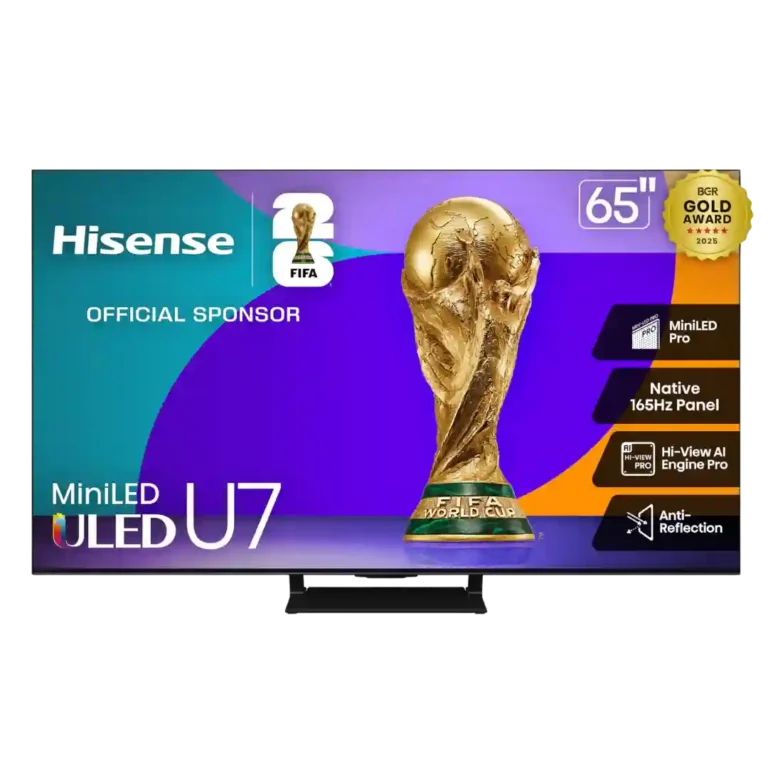
Choose the U75QG for exceptional brightness, strong Mini-LED contrast, abundant gaming features, and standout value. Skip it if you need wide viewing angles, consistently clean fast-motion handling, or are especially concerned about panel reliability and support.
Bright-room viewers, value-focused movie watchers, and console or PC gamers benefit most from the very high brightness, strong Mini-LED contrast, low input lag, and broad gaming connectivity.
Wide seating arrangements, motion-sensitive gamers, and buyers who prioritize trouble-free long-term ownership may want to look elsewhere because viewing angles are limited and reliability/support complaints recur.
The Hisense U75QG delivers unusually high brightness and strong Mini-LED contrast for its price, making HDR, sports, games, and daytime viewing look punchy and vivid. Its gaming package is also unusually complete, with very low input lag, high refresh rates, four HDMI 2.1 ports in several tested sizes, and a useful game bar. Google TV is generally fast and easy to use, and built-in sound is better than many TVs, though opinions on audio refinement vary. The tradeoffs are meaningful: viewing angles are narrow, glare control is inconsistent, HDR accuracy can drift, and several reviewers noticed smearing, ghosting, or VRR quirks. Customer feedback also raises recurring concerns about dead pixels, connectivity bugs, firmware problems, and weak support, so the performance-to-price story is excellent but not risk-free.
Compared with other TVs, this product is above average in tuner support, stutter handling, Dolby Atmos support, near average in black levels, color volume, below average in Bluetooth audio support, gaming mode quality, build quality.
| Attribute | This product | Category average | Difference |
|---|---|---|---|
| Bluetooth audio support | 1.0 | 4.6 | -3.6 |
| gaming mode quality | 1.0 | 4.4 | -3.4 |
| build quality | 1.7 | 4.3 | -2.5 |
| accessibility features | 1.0 | 4.0 | -3.0 |
| tuner support | 4.6 | 2.6 | +2.1 |
| tone mapping | 1.5 | 3.4 | -1.9 |
| eARC support | 2.8 | 4.5 | -1.8 |
| banding control | 2.0 | 3.9 | -1.9 |
Choose LG G6. It scores 5.0 vs 1.7 for build quality, with a 4.4 overall score.
Choose LG C6. It scores 4.8 vs 3.8 for calibration options, with a 4.1 overall score.
Choose Roku Pro Series (2025). It scores 5.0 vs 1.9 for software updates, with a 4.4 overall score.
Choose TCL QM8L. It scores 4.3 vs 1.6 for reliability, with a 4.4 overall score.
Products reviewers directly compared with this model, grouped into quick takeaways.
Yes. Reviewers repeatedly praise its unusually high brightness and strong daytime punch, although direct reflections and glare can still be noticeable.
It has very low input lag, high refresh-rate support, VRR, a useful game bar, and strong HDMI 2.1 connectivity. The main caveat is motion smearing, ghosting, or VRR instability reported by several reviewers.
Not necessarily. Many reviewers and owners think the built-in sound is better than average, but others criticize dialogue clarity, bass balance, or refinement, so a soundbar is still worthwhile for more consistent audio.
They are a recurring weakness. Most expert reviewers say contrast and color fall off when viewed from the side, though a few owners found off-center viewing acceptable.
Most feedback describes Google TV as fast, intuitive, and app-rich, but some owners report clutter, app crashes, account or privacy frustrations, and occasional sluggishness.
Yes. While many owners report trouble-free use, repeated complaints mention dead pixels or screen lines, Wi-Fi or eARC faults, firmware problems, and disappointing customer support.
SDR accuracy is often praised, but HDR accuracy is more mixed, with reports of blue color temperature, over-brightening, and tone-mapping issues. Calibration or picture adjustments can improve results.
These are a few of the reviews included in our analysis.


The Hisense U75QG is an excellent mid-range Mini-LED TV that's on sale at Amazon for its lowest price to date. Here's what you need to know...
...what makes this TV impressive is how strong it performs compared to other Mini LED competitors near and above its price.
The Hisense U75QG delivers a super-bright picture and great gaming features at an affordable price. It may just be the company's best-value...
Hisense’s midrange TV gets a mega boost of brightness for (mostly) thrilling results.
I’ve tested the Hisense mid-range TV for three years, but the new U75QG might be my favorite so far, thanks to its forward-thinking features...
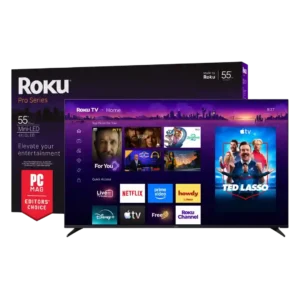
Best for bright Mini-LED picture, excellent built-in audio, easy Roku navigation, and responsive 4K/120 gaming. Skip it if you want ad-free menus, premium motion consistency, or stronger confidence in long-term...
Pros: resolution, display technology
Cons: customer support, optical audio output
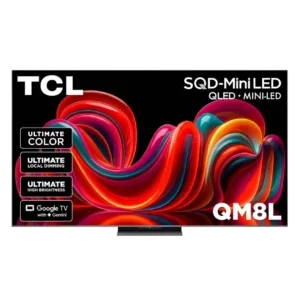
Choose the QM8L for a big, brilliantly bright TV with vivid HDR, deep mini-LED blacks, low input lag, and four HDMI 2.1 ports. Skip it if you need OLED-clean motion,...
Pros: overall image accuracy, resolution
Cons: motion clarity, response time
Choose the G6 for class-leading bright-room OLED picture, rich color, deep blacks and elite gaming. Skip it if you want strong built-in audio, polished launch firmware, no account sign-in, or...
Pros: panel type, display technology
Cons: account requirements, DTS support
Best for excellent OLED gaming, deep blacks, and a polished smart platform. Skip it at full launch pricing if the cheaper B5 remains available, or if you need strong bright-room...
Pros: display technology, response time
Cons: setup ease, account requirements