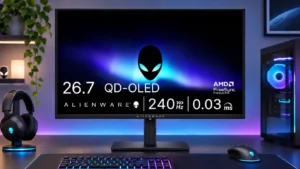
Overall: 3.8/5
QD-OLED brings the signature advantages of pixel-level lighting, vivid color and immediate motion, even though this is not a cutting-edge panel generation.
Pros: value for money, panel type
Cons: brightness, port selection

Overall: 3.8/5
QD-OLED brings the signature advantages of pixel-level lighting, vivid color and immediate motion, even though this is not a cutting-edge panel generation.
Pros: value for money, panel type
Cons: brightness, port selection
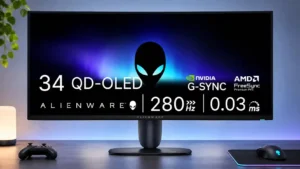
Overall: 4.4/5
The fifth-generation Penta Tandem QD-OLED panel is central to the appeal, providing brighter HDR, deeper-looking blacks under ambient light and far more legible text than older designs.
Pros: brightness, value for money
Cons: port selection, built-in speakers
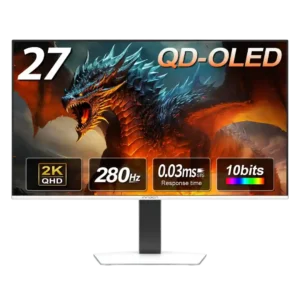
Overall: 4.3/5
The QD-OLED panel is the monitor’s defining strength, delivering richer color, deeper blacks, and a more striking image than typical IPS or VA screens.
Pros: color gamut, overall picture quality
Cons: brightness, HDR performance
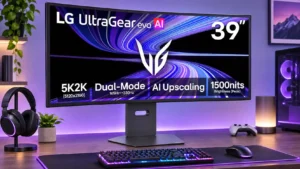
Overall: 4.1/5
The fourth-generation Tandem WOLED panel offers deep pixel-level blacks, much stronger brightness than older WOLED ultrawides, and rich color.
Pros: Resolution, overall satisfaction
Cons: value for money, Image scaling
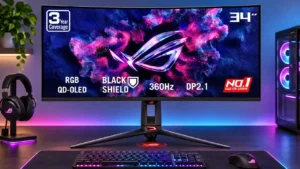
Overall: 4.5/5
The latest QD-OLED generation combines OLED's near-instant motion and deep blacks with improved text rendering and higher brightness.
Pros: color gamut, contrast
Cons: value for money, Resolution
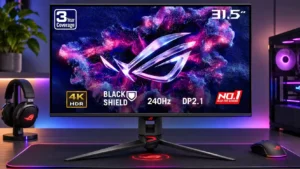
Overall: 4.2/5
QD-OLED's individual pixel control makes it especially capable for vivid HDR gaming, with excellent contrast and quick pixel response.
Pros: overall satisfaction, black levels
Cons: value for money, stand adjustability
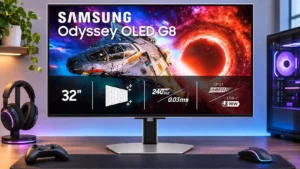
Overall: 4.1/5
The latest Tandem QD-OLED panel combines near-perfect blacks with more brightness and improved efficiency than earlier OLED generations.
Pros: PC gaming compatibility, reflection handling
Cons: color accuracy, VRR flicker
Overall: 4.4/5
The fourth-generation Penta Tandem QD-OLED panel is the core attraction, delivering richer color, deeper blacks, and higher usable brightness than older 32-inch QD-OLED models. Reviewers see it as one of...
Pros: brightness, reflection handling
Cons: cable management
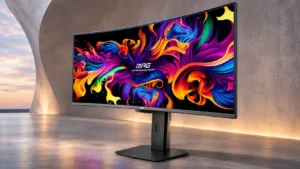
Overall: 4.4/5
The panel type draws praise for improving picture quality, convenience, or responsiveness.
Pros: refresh rate, Text fringing
Cons: Resolution, GPU demands
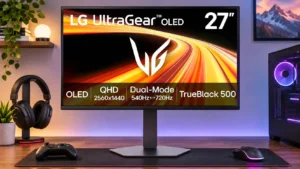
Overall: 4.1/5
The newer Tandem OLED architecture delivers unusually bright, vibrant imagery while retaining fast OLED response.
Pros: competitive gaming suitability, refresh rate
Cons: Dual-mode versatility, GPU demands
Overall: 4.3/5
IPS Black is widely viewed as the right panel technology for long professional sessions, combining dependable color and brightness with better contrast than ordinary IPS. It does not match OLED...
Pros: productivity versatility, overall satisfaction
Cons: value for money, response time
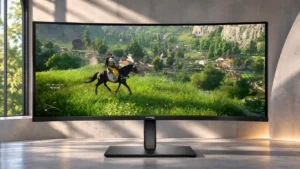
Overall: 4.4/5
The fifth-generation QD-OLED panel receives enthusiastic praise for its color, contrast and gaming potential. Some of the earliest reactions were specification previews.
Pros: refresh rate, color accuracy
Cons: console gaming compatibility, DisplayPort connectivity
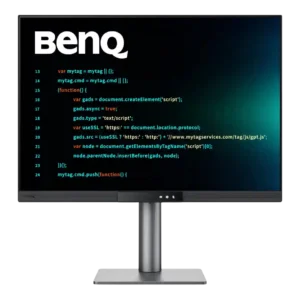
Overall: 4.4/5
The upgraded IPS panel delivers much stronger contrast than typical IPS displays. It remains an IPS screen rather than an OLED-class entertainment panel, but its work-focused balance is impressive.
Pros: productivity versatility, aspect ratio
Cons: value for money, competitive gaming suitability
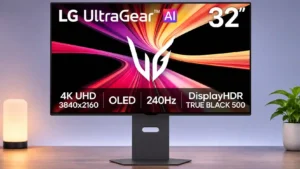
Overall: 3.9/5
Fourth-generation Tandem WOLED brings useful brightness and efficiency improvements, while its RGWB subpixel structure still involves text and color-volume compromises.
Pros: brightness, color gamut
Cons: AI scene optimization, value for money
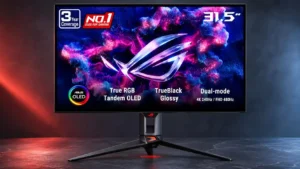
Overall: 4.3/5
The novel tandem RGB-stripe WOLED panel solves much of OLED’s font-fringing problem and retains deep blacks, though removing the white subpixel hurts brightness efficiency.
Pros: black levels, sharpness
Cons: value for money, brightness
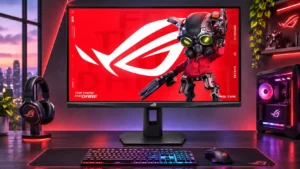
Overall: 3.9/5
Ultrafast IPS blends high-speed motion with stronger color and viewing angles than traditional esports TN screens. It cannot provide the OLED contrast that cinematic content benefits from.
Pros: motion clarity, Backlight strobing
Cons: contrast, HDR performance
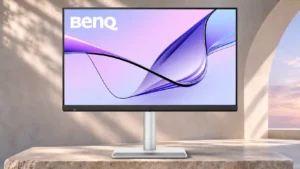
Overall: 4.4/5
The IPS panel benefits from detailed, colorful output and broad viewing angles, though it cannot recreate OLED-level darkness.
Pros: port selection, color accuracy
Cons: built-in speakers, speaker quality
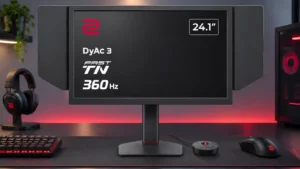
Overall: 3.8/5
Fast TN helps deliver very precise moving images without OLED burn-in worries. Its weaker contrast, off-axis colors and narrow everyday usefulness are substantial tradeoffs.
Pros: competitive gaming suitability, motion clarity
Cons: contrast, overall picture quality
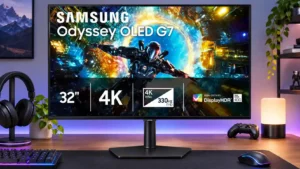
Overall: 3.8/5
WOLED provides deep blacks, including in some ambient light, but competing QD-OLED screens can deliver purer, more vivid colors.
Pros: overall satisfaction, contrast
Cons: value for money, port selection
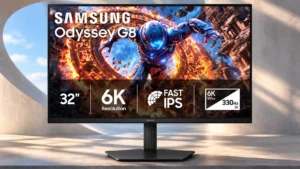
Overall: 3.5/5
Fast IPS is a sensible choice for sharp text and burn-in-resistant work, but its blacks and motion are less striking than OLED alternatives.
Pros: Resolution, sharpness
Cons: value for money, HDR performance
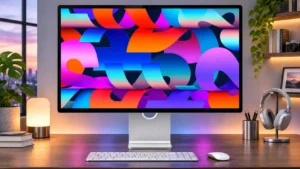
Overall: 3.7/5
The reused LCD technology looks good for SDR but feels dated compared with modern mini-LED and OLED options at similar prices.
Pros: Monitor daisy-chaining, overall picture quality
Cons: value for money, refresh rate