Best for panel type
InnoCN GA27S1Q
5.0 attribute score
Highest scored product for this attribute based on supporting review evidence.

Highest scored product for this attribute based on supporting review evidence.
Balances the attribute score, supporting reviews, and overall product strength.
Has the broadest review evidence for this attribute.
Strongest overall product among items with scored evidence for this attribute.
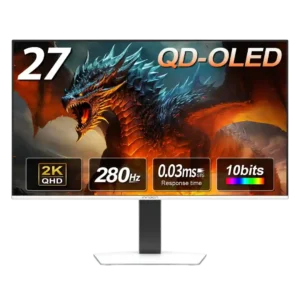
The QD-OLED panel is the monitor’s defining strength, delivering richer color, deeper blacks, and a more striking image than typical IPS or VA screens.
Pros: color gamut, overall picture quality
Cons: brightness, HDR performance
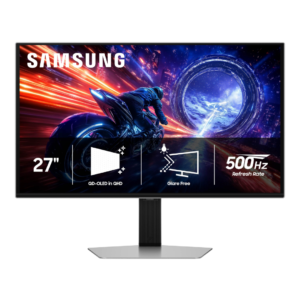
The QD-OLED panel is praised for combining rich color, deep blacks, instant response, and higher brightness than earlier 1440p OLED generations.
Pros: overall satisfaction, competitive gaming suitability
Cons: value for money, screen size
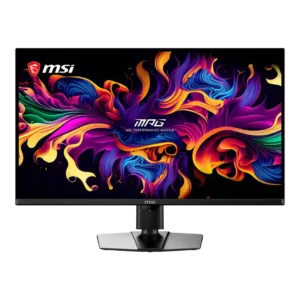
The fourth-generation Penta Tandem QD-OLED panel is the core attraction, delivering richer color, deeper blacks, and higher usable brightness than older 32-inch QD-OLED models. Reviewers see it as one of...
Pros: brightness, reflection handling
Cons: cable management
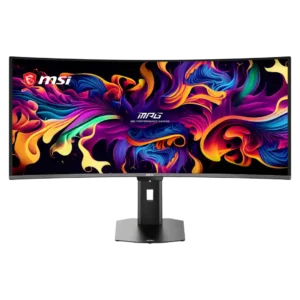
The fifth-generation QD-OLED panel meaningfully improves brightness, ambient-light black depth, text rendering, and durability over earlier generations.
Pros: overall satisfaction, sharpness
Cons: Resolution, cable management
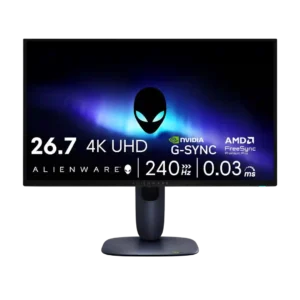
The QD-OLED/OLED panel drew broad praise for vivid image quality and was treated as the core strength of the monitor.
Pros: value for money, sharpness
Cons: brightness, USB hub functionality
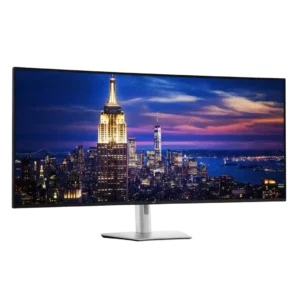
IPS Black is widely viewed as the right panel technology for long professional sessions, combining dependable color and brightness with better contrast than ordinary IPS. It does not match OLED...
Pros: productivity versatility, overall satisfaction
Cons: value for money, response time
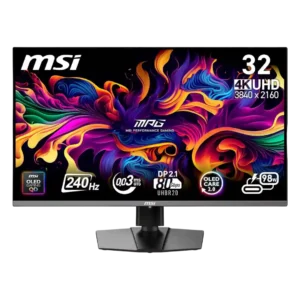
The third-generation QD-OLED panel delivers a dramatic jump in contrast, color, and speed over typical IPS or TN screens. Its core panel performance is excellent, though largely unchanged from the...
Pros: color accuracy, value for money
Cons: reliability over time, brightness
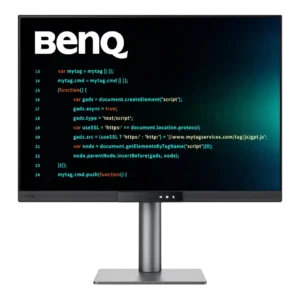
The upgraded IPS panel delivers much stronger contrast than typical IPS displays. It remains an IPS screen rather than an OLED-class entertainment panel, but its work-focused balance is impressive.
Pros: productivity versatility, aspect ratio
Cons: value for money, competitive gaming suitability
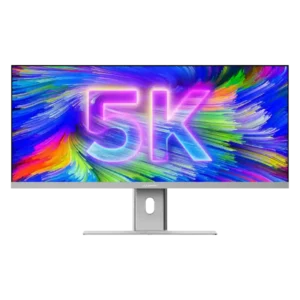
The IPS panel was praised for maintaining accurate color across broad viewing positions, making the flat screen well suited to productivity and color-sensitive work.
Pros: productivity versatility, aspect ratio
Cons: built-in speakers, competitive gaming suitability
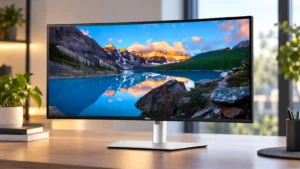
IPS Black is a strong fit for productivity, with excellent panel quality and better contrast than conventional IPS. It still cannot match OLED-class blacks and contrast, but avoids making OLED...
Pros: overall satisfaction, productivity versatility
Cons: value for money, reliability over time
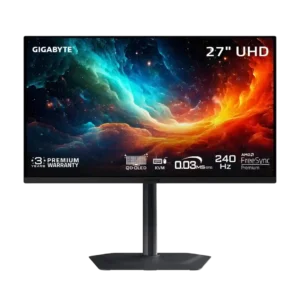
The tandem QD-OLED panel delivers elite speed, contrast, color, and clarity in controlled lighting. Burn-in risk and limited bright-scene output remain familiar OLED compromises.
Pros: motion clarity, PC gaming compatibility
Cons: color accuracy, software support
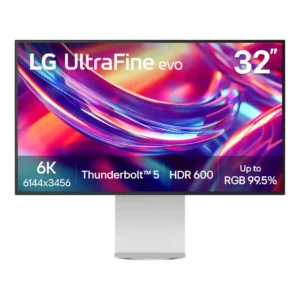
IPS Black improves depth over conventional IPS, but reviewers repeatedly note that it still cannot match OLED or Mini LED for blacks, contrast, and HDR impact. The panel feels capable...
Pros: port selection, overall satisfaction
Cons: value for money, cable management
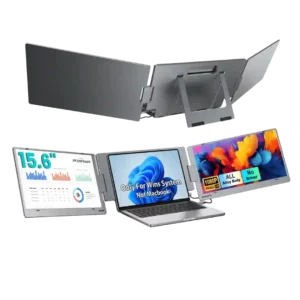
The inexpensive IPS panels are considered serviceable for productivity, but they do not match OLED or MicroLED for contrast and color performance. The panel choice is practical rather than premium.
Pros: overall satisfaction, portability and weight
Cons: reliability over time
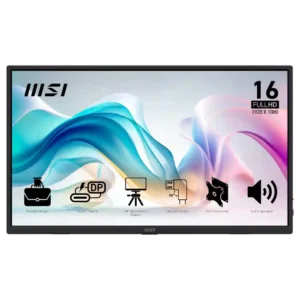
The IPS-LCD panel is practical and affordable, but it looks dull and washed out next to OLED alternatives.
Pros: value for money, portability and weight
Cons: built-in speakers, color gamut