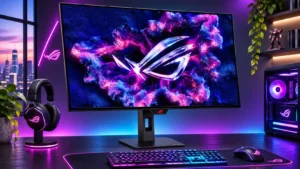
Overall: 4.2/5
The OLED panel responds cleanly without needing the aggressive overdrive tuning associated with LCD gaming monitors.
Pros: overall satisfaction, black levels
Cons: reflection handling, Color brightness

Overall: 4.2/5
The OLED panel responds cleanly without needing the aggressive overdrive tuning associated with LCD gaming monitors.
Pros: overall satisfaction, black levels
Cons: reflection handling, Color brightness
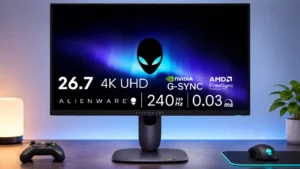
Overall: 4.3/5
Overdrive behavior was effectively excellent because OLED response consistency created a single-overdrive-style experience.
Pros: value for money, sharpness
Cons: brightness, USB hub functionality
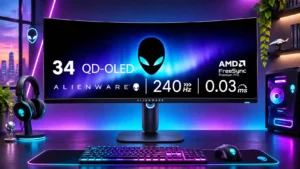
Overall: 4.2/5
Consistently fast pixel transitions make complicated overdrive tuning unnecessary across refresh rates.
Pros: refresh rate, HDR performance
Cons: reflection handling, Text fringing
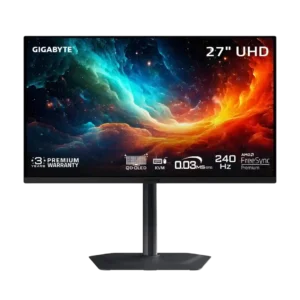
Overall: 4.1/5
OLED response needs only one overdrive behavior across the refresh range, so there is no need to retune it for different frame rates.
Pros: motion clarity, PC gaming compatibility
Cons: color accuracy, software support
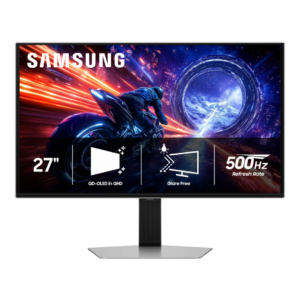
Overall: 4.3/5
OLED response remains consistent across refresh rates, so there is no need to retune overdrive as frame rate changes.
Pros: overall satisfaction, competitive gaming suitability
Cons: value for money, screen size
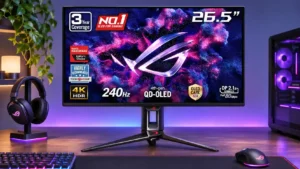
Overall: 4.4/5
OLED's consistent fast response eliminates the need to juggle LCD-style overdrive levels across refresh rates.
Pros: sharpness, overall satisfaction
Cons: value for money, VRR flicker
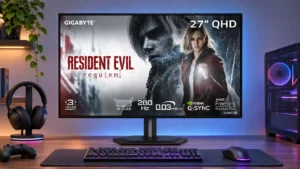
Overall: 4.0/5
OLED removes the need for conventional overdrive tuning and avoids the overshoot artifacts seen on some LCDs.
Pros: brightness, contrast
Cons: Text fringing, speaker quality
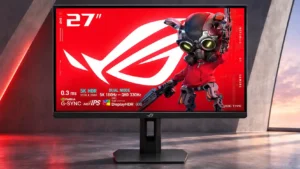
Overall: 4.1/5
Fine-grained settings help balance response and overshoot. Midrange values tend to look best, while maximum settings risk visible inverse ghosting.
Pros: Pixel density, Resolution
Cons: GPU demands, HDR performance
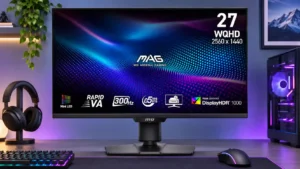
Overall: 3.9/5
The Fast setting is the most reliable compromise between blur and overshoot, while Fastest can introduce obvious artifacts.
Pros: HDR performance, black levels
Cons: viewing angles, response time
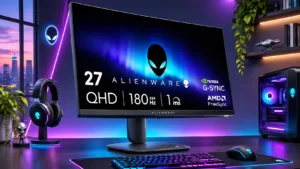
Overall: 4.0/5
Extreme mode worked particularly well for one tester, but another cautions that aggressive settings can cause overshoot at fluctuating frame rates.
Pros: overall satisfaction, refresh rate
Cons: HDR performance, HDMI 2.1 support
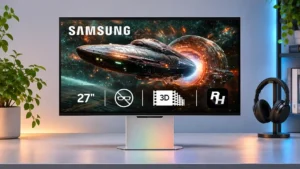
Overall: 3.7/5
The factory Faster setting is a sensible compromise between sharp movement and artifacts. Pushing to Extreme cleans up some blur but creates obvious trails behind moving objects.
Pros: glasses-free 3D quality, AI 2D-to-3D conversion
Cons: 3D compatible game library, value for money
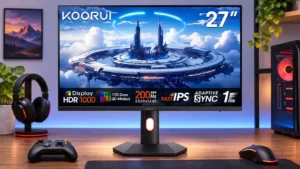
Overall: 3.7/5
The Fast setting brings response times under control without excessive artifacts; the very fastest setting introduces significant overshoot.
Pros: overall satisfaction, PC gaming compatibility
Cons: color accuracy, local dimming performance
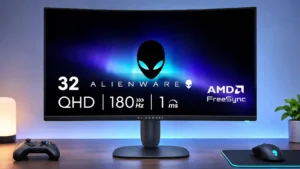
Overall: 4.1/5
The aggressive Extreme setting may suit fast gaming in some tests but introduces ghosting in others; the milder modes offer a useful compromise.
Pros: value for money, overall satisfaction
Cons: HDR performance, Headphone output quality
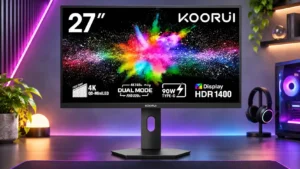
Overall: 4.2/5
Fast is the safest general-purpose choice; Fastest can add distracting bright and dark overshoot, especially as refresh rates change.
Pros: HDR performance, overall satisfaction
Cons: HDR highlight detail, color accuracy
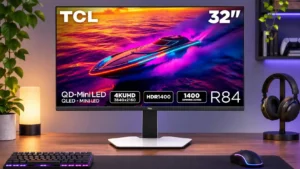
Overall: 4.2/5
The fast overdrive setting produces excellent response without obvious errors, but the highest setting creates unacceptable artifacts.
Pros: brightness, HDR performance
Cons: speaker quality, built-in speakers
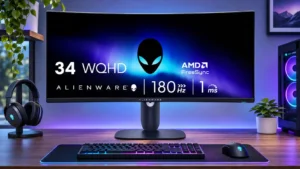
Overall: 3.7/5
Conservative presets keep overshoot modest, though faster options only partly tackle blur and may introduce inverse ghosting.
Pros: ultrawide gaming experience, black levels
Cons: HDR performance, viewing angles
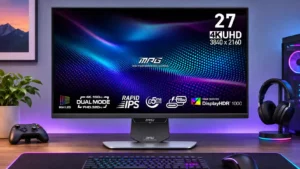
Overall: 4.0/5
Fast is a reasonable compromise at high refresh rates, but absent variable overdrive creates extra overshoot as rates fall.
Pros: Dual-mode versatility, refresh rate
Cons: black levels, contrast
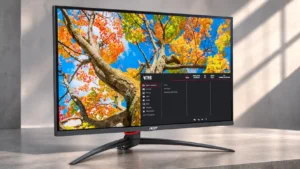
Overall: 3.5/5
Response behavior is reasonably consistent, but overdrive adjustment is restricted when VRR is enabled.
Pros: HDR performance, overall satisfaction
Cons: local dimming performance, Blooming control
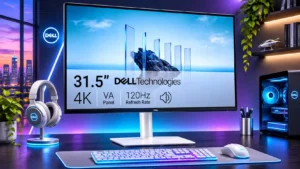
Overall: 3.7/5
Selectable response-time modes provide some control, but the fastest setting does not eliminate motion smearing for competitive play.
Pros: value for money, Resolution
Cons: stand adjustability, viewing angles
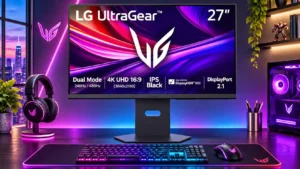
Overall: 3.6/5
The fastest settings can produce inverse ghosting, while slower ones blur motion. Different refresh-rate modes need separate compromises that the monitor does not remember automatically.
Pros: refresh rate, Dual-mode versatility
Cons: motion clarity, black levels
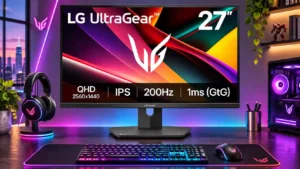
Overall: 3.6/5
Tuning works best nearer 200Hz; inverse ghosting and overshoot at lower refresh rates make the monitor less consistently clear than some competitors.
Pros: refresh rate, value for money
Cons: HDR performance, contrast
Overall: 4.2/5
Switching to the aggressive response-time mode can sharpen movement, but frequently replaces ordinary blur with even more distracting inverse ghosting.
Pros: port selection, USB hub functionality
Cons: competitive gaming suitability, motion clarity
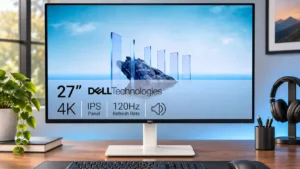
Overall: 3.8/5
Fast is preferable around 120Hz and Normal often works better at 60Hz; the Extreme setting adds obvious overshoot without enough improvement.
Pros: value for money, Resolution
Cons: port selection, HDR performance
Overall: 4.2/5
The fastest overdrive setting introduces severe artifacts, making the normal response mode the safer choice for games.
Pros: port selection, overall satisfaction
Cons: value for money, competitive gaming suitability