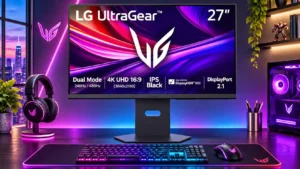
Overall: 3.6/5
IPS Black avoids the persistent static-element burn-in concern associated with OLED desktops. That makes it appealing for all-day taskbars and work windows.
Pros: refresh rate, Dual-mode versatility
Cons: motion clarity, black levels

Overall: 3.6/5
IPS Black avoids the persistent static-element burn-in concern associated with OLED desktops. That makes it appealing for all-day taskbars and work windows.
Pros: refresh rate, Dual-mode versatility
Cons: motion clarity, black levels
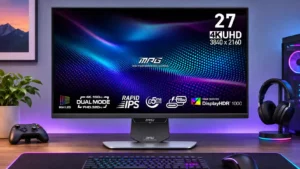
Overall: 4.0/5
The LCD has no OLED-style organic pixel burn-in risk, making it safer for prolonged static work interfaces.
Pros: Dual-mode versatility, refresh rate
Cons: black levels, contrast
Overall: 4.2/5
The IPS LCD panel avoids the burn-in concerns that make some buyers hesitate over OLED for static work interfaces. That reassurance supports its appeal for long workdays.
Pros: port selection, USB hub functionality
Cons: competitive gaming suitability, motion clarity
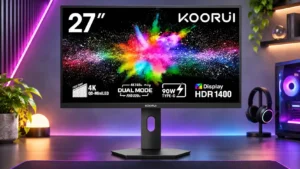
Overall: 4.2/5
An LCD Mini LED panel avoids the burn-in anxiety associated with static work on OLED displays.
Pros: HDR performance, overall satisfaction
Cons: HDR highlight detail, color accuracy
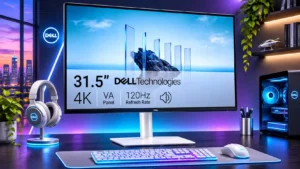
Overall: 3.7/5
Compared with an OLED alternative, its conventional LCD panel avoids the same static-image burn-in concern, a useful distinction for persistent desktop content.
Pros: value for money, Resolution
Cons: stand adjustability, viewing angles
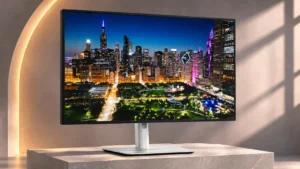
Overall: 4.2/5
The LCD panel provides peace of mind for persistent menus, toolbars, and static workspaces compared with OLED burn-in worries.
Pros: port selection, overall satisfaction
Cons: value for money, competitive gaming suitability
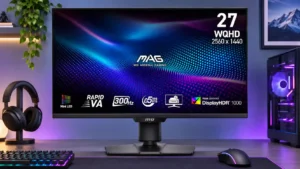
Overall: 3.9/5
The LCD panel avoids the static-image burn-in worries associated with OLED use, which is reassuring for a work-and-gaming desktop.
Pros: HDR performance, black levels
Cons: viewing angles, response time
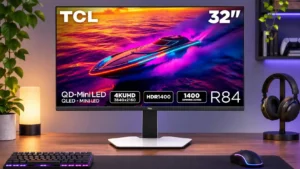
Overall: 4.2/5
LCD Mini LED avoids the OLED-style burn-in concern associated with stationary taskbars, documents and long desktop sessions.
Pros: brightness, HDR performance
Cons: speaker quality, built-in speakers
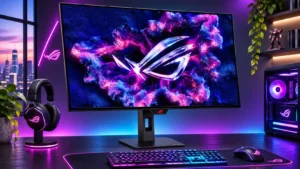
Overall: 4.2/5
Pixel refresh, screen shifting, logo dimming and the Neo Proximity Sensor provide extensive safeguards, though long-term burn-in is not ruled out.
Pros: overall satisfaction, black levels
Cons: reflection handling, Color brightness
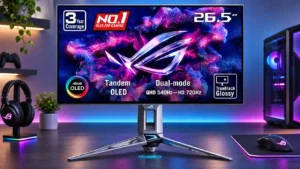
Overall: 4.3/5
OLED Care settings and the responsive proximity sensor help reduce static-image exposure. They are useful precautions rather than guarantees against burn-in.
Pros: black levels, motion clarity
Cons: value for money, Dual-mode versatility
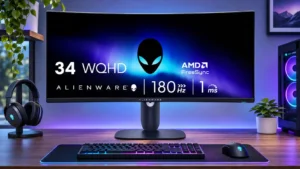
Overall: 3.7/5
The VA LCD avoids the static-image burn-in anxiety associated with the OLED alternatives, which can matter for prolonged desktop use.
Pros: ultrawide gaming experience, black levels
Cons: HDR performance, viewing angles
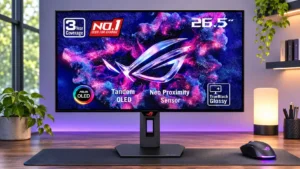
Overall: 4.4/5
A proximity sensor, pixel-shifting and dimming tools help reduce unnecessary static exposure. None removes the inherent long-term OLED burn-in risk.
Pros: overall satisfaction, response time
Cons: reflection handling, VRR flicker
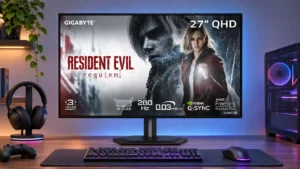
Overall: 4.0/5
Gigabyte supplies pixel cleaning, logo dimming, shifting and other OLED Care controls. These are helpful safeguards, not a guarantee against wear from static images.
Pros: brightness, contrast
Cons: Text fringing, speaker quality
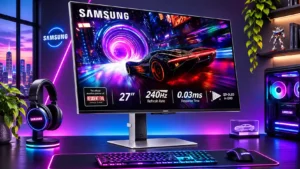
Overall: 4.2/5
Cooling and static-element dimming are thoughtful OLED-care features and do not interrupt normal gaming often. They reduce risk rather than guarantee permanent immunity.
Pros: reflection handling, color gamut
Cons: value for money, brightness
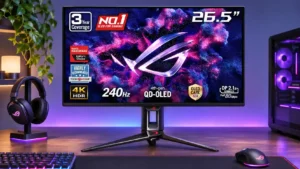
Overall: 4.4/5
OLED Care features include pixel maintenance, logo protection, and a useful proximity sensor. They reduce wear during varied use but cannot make permanent burn-in impossible.
Pros: sharpness, overall satisfaction
Cons: value for money, VRR flicker
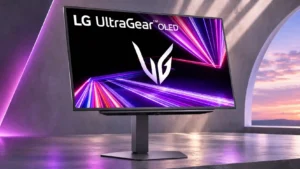
Overall: 4.1/5
Pixel shifting and cleaning appear effective in early long-term use, with no observed retention after 700+ hours; this is not a lifetime guarantee.
Pros: overall satisfaction, value for money
Cons: reflection handling, screen uniformity
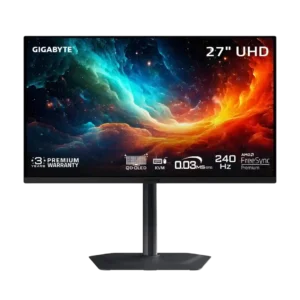
Overall: 4.1/5
OLED Care tools, automatic maintenance, and burn-in warranty coverage provide solid safeguards. Static desktop use can still cause permanent wear over time.
Pros: motion clarity, PC gaming compatibility
Cons: color accuracy, software support
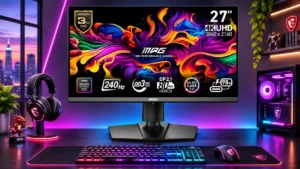
Overall: 4.2/5
OLED Care options, pixel shifting, static-content safeguards and a custom thermal design reassure buyers. They reduce rather than remove burn-in risk, especially for fixed desktop content.
Pros: HDR performance, DisplayPort connectivity
Cons: value for money, brightness
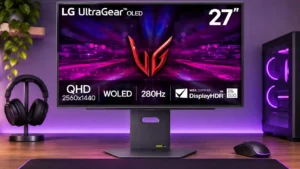
Overall: 3.6/5
Pixel-shifting protection is useful, but long periods of static taskbars and editing interfaces still warrant care with OLED ownership.
Pros: reflection handling, HDR performance
Cons: screen uniformity, Screen coating clarity
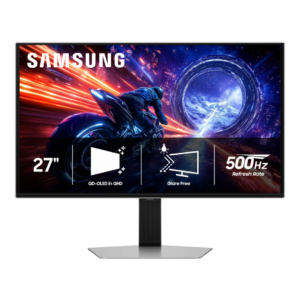
Overall: 4.3/5
Dynamic cooling and automatic dimming help reduce OLED burn-in risk, but Samsung’s OLED-care controls are less customizable than some rivals.
Pros: overall satisfaction, competitive gaming suitability
Cons: value for money, screen size
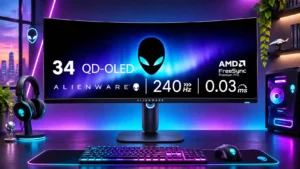
Overall: 4.2/5
Pixel-care measures exist, but manual customization is restricted, and prolonged static content still calls for care.
Pros: refresh rate, HDR performance
Cons: reflection handling, Text fringing
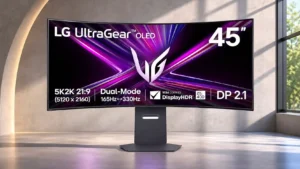
Overall: 4.1/5
Pixel shifting, a screen saver and cleaning cycles offer basic OLED care. Protection controls are more limited than on some competitors, and static desktop content remains an ownership concern.
Pros: Resolution, overall satisfaction
Cons: value for money, GPU demands
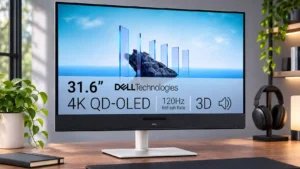
Overall: 4.2/5
Automatic pixel-refresh tools and reported warranty protections help, but static content still carries OLED burn-in risk. Accounts disagree about warranty duration, so confirm the exact coverage when buying.
Pros: overall picture quality, overall satisfaction
Cons: port selection, brightness