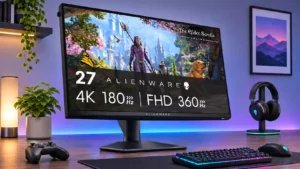
Overall: 3.9/5
The IPS panel avoids the static-image burn-in concern that accompanies OLED alternatives, making long sessions with fixed desktop elements easier to justify.
Pros: Resolution, refresh rate
Cons: HDR performance, contrast

Overall: 3.9/5
The IPS panel avoids the static-image burn-in concern that accompanies OLED alternatives, making long sessions with fixed desktop elements easier to justify.
Pros: Resolution, refresh rate
Cons: HDR performance, contrast
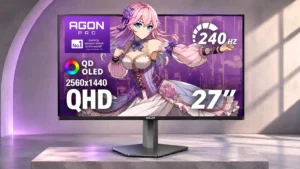
Overall: 4.0/5
A broad set of pixel-shift, dimming and refresh options reduces maintenance worries, although protection cannot eliminate the underlying OLED burn-in risk.
Pros: value for money, overall satisfaction
Cons: HDR performance, HDMI 2.1 support
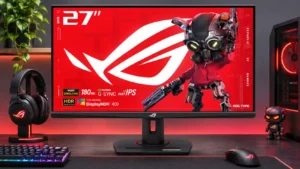
Overall: 3.8/5
The IPS LCD avoids the burn-in worry associated with OLED screens, a reassuring advantage for static desktop elements.
Pros: value for money, Resolution
Cons: HDR performance, port selection
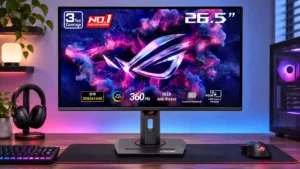
Overall: 4.4/5
ASUS supplies extensive pixel cleaning, shifting and static-logo controls plus burn-in warranty coverage, but none removes the inherent risk of permanent marks.
Pros: color gamut, overall satisfaction
Cons: reflection handling, VRR flicker
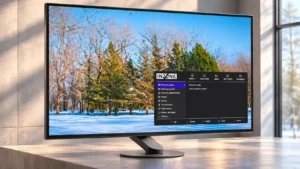
Overall: 4.2/5
Pixel shifting, static-image detection, and related OLED-care settings help reduce burn-in exposure. Some protective dimming can be distracting, and care remains important.
Pros: refresh rate, overall satisfaction
Cons: value for money, port selection
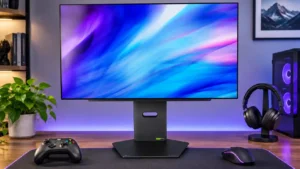
Overall: 4.0/5
Pixel movement, a screen saver, cleaning functions and standby behavior help manage OLED wear, but prolonged static interfaces still require care.
Pros: refresh rate, competitive gaming suitability
Cons: value for money, brightness
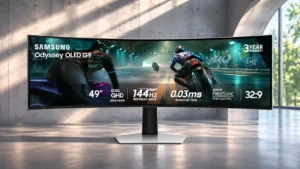
Overall: 3.7/5
Pixel shifting, logo dimming and warranty coverage provide some reassurance, but persistent static content still creates an OLED upkeep concern.
Pros: value for money, black levels
Cons: refresh rate, portability and weight
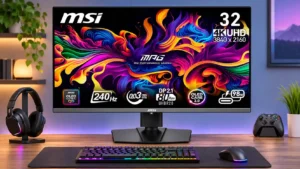
Overall: 4.0/5
MSI provides multiple OLED Care safeguards and a burn-in warranty, which reassure many owners. Recurring panel-care prompts can become intrusive.
Pros: overall satisfaction, DisplayPort connectivity
Cons: value for money, reliability over time
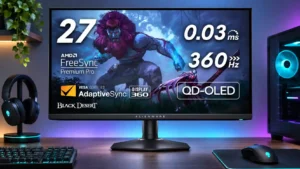
Overall: 4.2/5
Pixel and panel refresh routines help manage OLED wear, backed by a three-year burn-in warranty. The relatively limited user-adjustable safeguards and persistent static-content risk remain drawbacks.
Pros: competitive gaming suitability, color gamut
Cons: brightness, HDMI 2.1 support
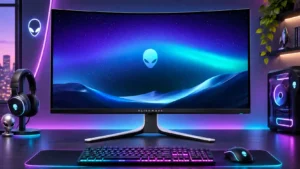
Overall: 3.6/5
A three-year burn-in warranty and automatic care routines offer reassurance. The limited number of adjustable OLED protections draws criticism.
Pros: overall satisfaction, brightness
Cons: Dolby Vision support, VRR flicker