Best for white balance accuracy
Panasonic Z95B OLED
5.0 attribute score
Highest scored product for this attribute based on supporting review evidence.

Highest scored product for this attribute based on supporting review evidence.
Balances the attribute score, supporting reviews, and overall product strength.
Has the broadest review evidence for this attribute.
Strongest overall product among items with scored evidence for this attribute.
Overall: 3.3/5
White balance is impressively accurate in SDR out of the box. HDR can skew cooler, and the limited calibration tools leave little room for fine-tuning.
Pros: picture quality, motion handling
Cons: HDR performance, HDR brightness
Overall: 4.3/5
Neutral tones are already very close to target, and careful calibration can iron out the last subtle deviations.
Pros: picture quality, color accuracy
Cons: bass performance, HDMI 2.1 port count
Overall: 4.2/5
White balance is notably stable, even when the panel is driven to high brightness.
Pros: overall satisfaction, picture quality
Cons: HDMI 2.1 port count, reflection handling
Overall: 4.0/5
White balance is remarkably precise from the factory and becomes even tighter with calibration.
Pros: overall satisfaction, picture quality
Cons: size options, value for money

Overall: 4.5/5
White balance is strong in accurate modes, with only small residual errors. Default Standard settings can skew much cooler than the mastering target.
Pros: glare resistance, black levels
Cons: Dolby Vision support, color gamut
Overall: 4.2/5
Reference-style picture modes have exceptionally accurate white balance, with only minor errors that calibration can reduce.
Pros: picture quality, overall satisfaction
Cons: design and appearance, Dolby Vision support

Overall: 3.8/5
Out-of-box white balance is extremely good, with only a barely noticeable cool cast.
Pros: cable management, design and appearance
Cons: value for money, Dolby Vision support

Overall: 4.1/5
Filmmaker Mode produces neutral whites and accurate grayscale tracking, improving on the greenish tint seen in some older C-series models. HDR can run slightly cool on certain samples.
Pros: picture quality, gaming performance
Cons: value for money, sound quality

Overall: 4.2/5
White balance and overall color temperature are impressively close to accurate, with only minor visible errors.
Pros: value for money, color accuracy
Cons: HDR brightness, reflection handling
Overall: 3.0/5
SDR white balance is close to reference and out-of-box color temperature is a strength, although HDR grays can skew cool.
Pros: color gamut, smart TV platform
Cons: value for money, overall satisfaction
Overall: 3.3/5
White balance and color temperature are generally accurate, especially with careful calibration.
Pros: overall satisfaction, picture quality
Cons: reliability, remote control quality

Overall: 3.9/5
Some units lean too blue or too warm in default HDR and Movie modes; calibration substantially improves white balance. The severity varies by reviewer and preset.
Pros: peak brightness, value for money
Cons: reflection handling, glare resistance

Overall: 4.0/5
SDR balance is notably close to target, but HDR grayscale and certain preset tones benefit from calibration.
Pros: reflection handling, overall satisfaction
Cons: Dolby Vision support, bass performance

Overall: 4.0/5
Out-of-box SDR whites are close to reference, with only a small cool cast. Filmmaker settings help deliver a natural-looking image.
Pros: black levels, picture quality
Cons: glare resistance, reflection handling

Overall: 3.3/5
White balance and color temperature can be very good in SDR, though some settings or models lean too cool and dark.
Pros: color accuracy, upscaling quality
Cons: picture quality, sound quality
Overall: 4.1/5
White balance is generally accurate, though one test finds a slightly warm default. Calibration brings that unit much closer to its target.
Pros: contrast ratio, value for money
Cons: peak brightness, HDR brightness

Overall: 4.0/5
Many tests commend the near-target color temperature, especially in HDR, while one technical evaluation finds SDR grayscale balance less convincing before calibration.
Pros: color accuracy, picture quality
Cons: HDR brightness, peak brightness

Overall: 4.2/5
Whites and neutral tones are generally well controlled, particularly after calibration. Some out-of-box settings show a slightly warm or otherwise imperfect balance.
Pros: high-refresh-rate gaming, gaming performance
Cons: value for money, bass performance
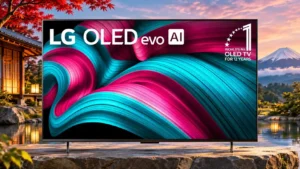
Overall: 4.0/5
White balance is often close to reference, but some units or picture modes show a green, blue or overly warm cast that takes tweaking to correct.
Pros: value for money, overall satisfaction
Cons: Remote control usability, sound quality

Overall: 3.8/5
Filmmaker and movie-style settings are often close to correct, though other presets may need a warmer color-temperature adjustment.
Pros: picture quality, 4K at 144 Hz support
Cons: sound quality, value for money

Overall: 3.9/5
White balance is a mixed area: some out-of-box settings run too cool or blue, but calibration can bring results very close to reference.
Pros: gaming performance, peak brightness
Cons: HDMI 2.1 support, HDMI 2.1 port count

Overall: 4.2/5
Its factory white balance is close to reference, with some cool bias or subtle gray-level variation noted in stricter tests.
Pros: overall satisfaction, picture quality
Cons: banding control, remote control quality
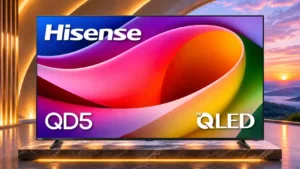
Overall: 3.9/5
White balance is strong out of the box and becomes even more accurate with calibration.
Pros: overall satisfaction, picture quality
Cons: Weight and handling, black levels
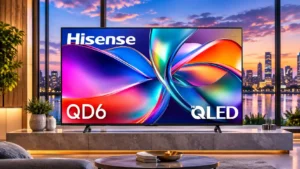
Overall: 3.0/5
White balance is good in SDR but some HDR shades and midtones show deviations.
Pros: color accuracy, Picture detail
Cons: HDR performance, motion clarity

Overall: 4.1/5
Small white-balance errors are generally not distracting, and calibration can tighten them further.
Pros: overall satisfaction, value for money
Cons: Smart TV platform, advertising intrusiveness
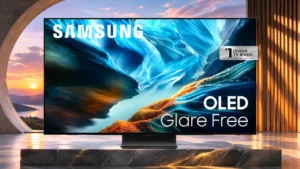
Overall: 4.1/5
Factory white balance is highly accurate in SDR; HDR has some minor gray-shade deviations.
Pros: black levels, contrast ratio
Cons: Dolby Vision support, stutter handling
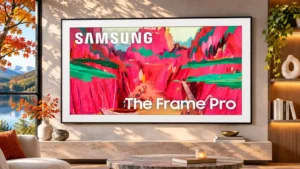
Overall: 3.8/5
The out-of-box balance is good but a little warm, improving to nearly ideal after calibration.
Pros: Wireless One Connect compatibility, art display mode
Cons: value for money, input lag
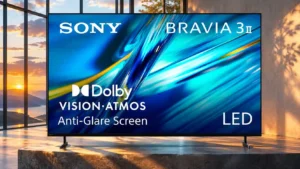
Overall: 3.8/5
Factory white balance is good, if slightly warm with a touch of excess red in several shades. HDR color temperature is even closer to target.
Pros: HDMI 2.1 port count, overall satisfaction
Cons: HDR performance, bass performance
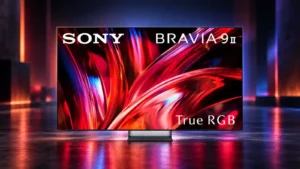
Overall: 4.3/5
Out-of-box grayscale and white-balance behavior is solid, providing a good foundation for accurate picture modes.
Pros: overall satisfaction, overall image accuracy
Cons: value for money, bass performance
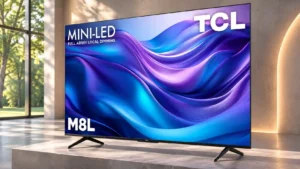
Overall: 4.1/5
Grayscale tracking is good overall, with a few small issues in the brighter grays.
Pros: value for money, overall satisfaction
Cons: HDR brightness
Overall: 4.1/5
Factory white balance can lean cool, especially in HDR, but straightforward adjustments often bring gray tracking and color temperature close to reference.
Pros: gaming performance, HDR brightness
Cons: reflection handling, glare resistance
Overall: 3.9/5
Calibration can achieve excellent neutrality, although some out-of-box HDR presets run too cool or emphasize red and blue.
Pros: value for money, overall satisfaction
Cons: Dolby Vision support, sound quality

Overall: 4.4/5
Most modes are well balanced after proper setup, but some samples show green, pink, or warm magenta tint, especially off-axis or in selected scenes.
Pros: picture quality, peak brightness
Cons: value for money, sound quality
Overall: 4.3/5
The default picture can lean a little cool, but white-balance errors are modest and improve with calibration.
Pros: picture quality, black levels
Cons: bass performance, HDR brightness
Overall: 2.7/5
Some see much cleaner whites than older entry-level sets, but controlled measurements detect a cold color cast until calibrated.
Pros: white balance accuracy, design and appearance
Cons: overall satisfaction, value for money
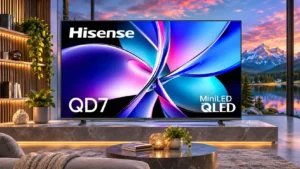
Overall: 3.9/5
Factory color balance is generally good, although darker tones can lean warm and higher backlight settings may introduce a slight blue tint.
Pros: picture quality, contrast ratio
Cons: HDR performance, motion handling
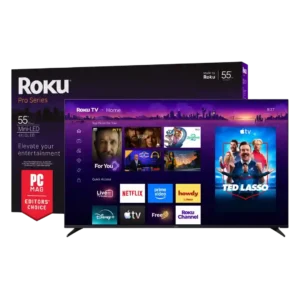
Overall: 4.4/5
Out-of-box white balance can lean slightly cool and blue. The error is visible but not severe, and the picture still looks natural in the better modes.
Pros: overall satisfaction, picture quality
Cons: reliability, portability and versatility

Overall: 3.1/5
SDR white balance has a slight pink tint, with changing brightness making calibrated accuracy hard to retain.
Pros: gaming performance, color accuracy
Cons: value for money, overall satisfaction
Overall: 3.0/5
SDR white balance is relatively close to target and becomes very strong after calibration; HDR balance is less consistent.
Pros: picture quality, smart TV platform
Cons: value for money, refresh rate
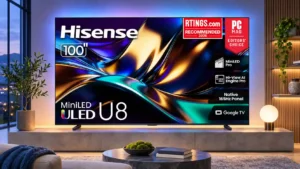
Overall: 4.1/5
Several calibrated units achieve pleasing neutrality, while the 100-inch sample and some factory modes exhibit conspicuous cool or warm casts.
Pros: peak brightness, HDR brightness
Cons: sound quality, viewing angles
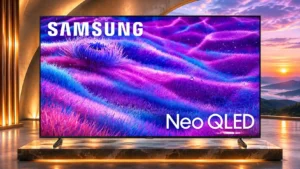
Overall: 3.8/5
SDR white balance can be impressive out of the box, while some HDR tests found a noticeable color-temperature bias.
Pros: overall satisfaction, picture quality
Cons: value for money, local dimming performance

Overall: 3.9/5
SDR white balance is good, but HDR can lean too blue and cool. Calibration improves it without eliminating every mapping error.
Pros: color volume, black levels
Cons: Inconsistent panel and coating by size, sound quality
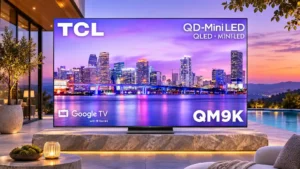
Overall: 3.9/5
White balance is generally adjustable but can run cool or warm depending on format and luminance. Carefully chosen modes help, yet some HDR deviations remain.
Pros: peak brightness, overall satisfaction
Cons: value for money, shadow detail
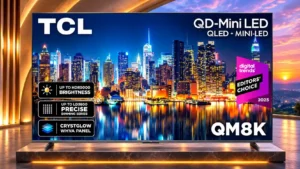
Overall: 4.0/5
White balance can be very close to reference after calibration, but some out-of-box modes show cooler or shifted tones.
Pros: peak brightness, picture quality
Cons: HDMI 2.1 port count, reflection handling
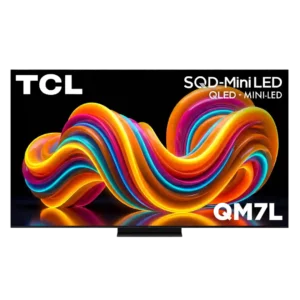
Overall: 3.9/5
White balance is acceptable but inconsistent, with cool or blue-leaning defaults appearing repeatedly. The bias is usually described as correctable through picture controls.
Pros: peak brightness, picture quality
Cons: color accuracy, viewing angles
Overall: 4.0/5
White balance can look close to ideal by default, but a visible green or yellow bias appears in some scenes alongside the C6 and B5.
Pros: contrast ratio, black levels
Cons: reflection handling, color accuracy
Overall: 4.2/5
Factory whites can lean cool or green, but calibration brings the image much closer to neutral.
Pros: picture quality, glare resistance
Cons: value for money, bass performance

Overall: 3.8/5
The factory white balance can lean blue, though other presets and professional calibration improve it substantially.
Pros: picture quality, overall satisfaction
Cons: color crosstalk, value for money

Overall: 4.0/5
White balance is not consistently reference-accurate; some presets look too warm, while careful adjustment can improve neutral tones.
Pros: peak brightness, blooming control
Cons: value for money, motion clarity

Overall: 3.1/5
HDR whites carry a small blue bias, and calibration does not fully correct their balance. SDR deviations are generally harder to notice.
Pros: design and appearance, maximum volume
Cons: picture quality, value for money