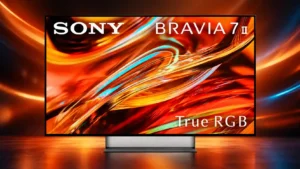
Overall: 4.2/5
White balance is notably stable, even when the panel is driven to high brightness.
Pros: overall satisfaction, picture quality
Cons: HDMI 2.1 port count, reflection handling

Overall: 4.2/5
White balance is notably stable, even when the panel is driven to high brightness.
Pros: overall satisfaction, picture quality
Cons: HDMI 2.1 port count, reflection handling
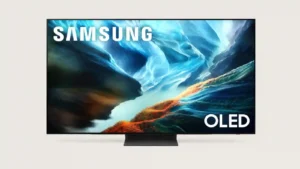
Overall: 4.5/5
White balance is strong in accurate modes, with only small residual errors. Default Standard settings can skew much cooler than the mastering target.
Pros: glare resistance, black levels
Cons: Dolby Vision support, color gamut
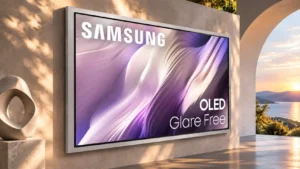
Overall: 4.2/5
Reference-style picture modes have exceptionally accurate white balance, with only minor errors that calibration can reduce.
Pros: picture quality, overall satisfaction
Cons: design and appearance, Dolby Vision support
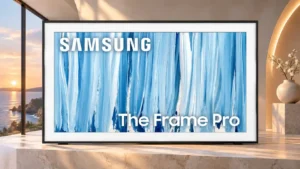
Overall: 3.8/5
Out-of-box white balance is extremely good, with only a barely noticeable cool cast.
Pros: cable management, design and appearance
Cons: value for money, Dolby Vision support
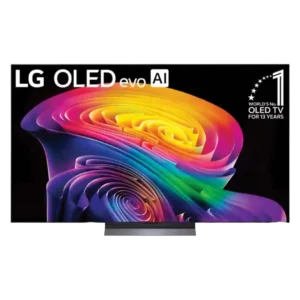
Overall: 4.1/5
Filmmaker Mode produces neutral whites and accurate grayscale tracking, improving on the greenish tint seen in some older C-series models. HDR can run slightly cool on certain samples.
Pros: picture quality, gaming performance
Cons: value for money, sound quality
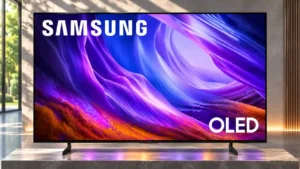
Overall: 4.0/5
Out-of-box SDR whites are close to reference, with only a small cool cast. Filmmaker settings help deliver a natural-looking image.
Pros: black levels, picture quality
Cons: glare resistance, reflection handling
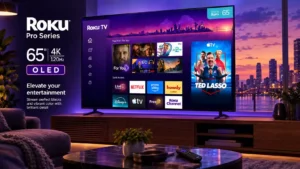
Overall: 4.1/5
White balance is generally accurate, though one test finds a slightly warm default. Calibration brings that unit much closer to its target.
Pros: contrast ratio, value for money
Cons: peak brightness, HDR brightness
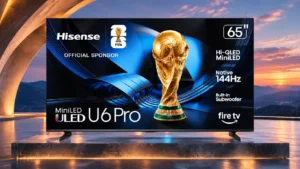
Overall: 4.1/5
Small white-balance errors are generally not distracting, and calibration can tighten them further.
Pros: overall satisfaction, value for money
Cons: Smart TV platform, advertising intrusiveness
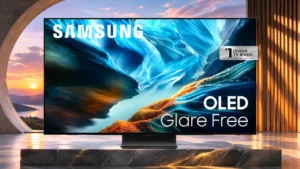
Overall: 4.1/5
Factory white balance is highly accurate in SDR; HDR has some minor gray-shade deviations.
Pros: black levels, contrast ratio
Cons: Dolby Vision support, stutter handling
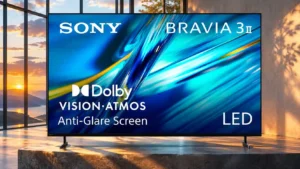
Overall: 3.8/5
Factory white balance is good, if slightly warm with a touch of excess red in several shades. HDR color temperature is even closer to target.
Pros: HDMI 2.1 port count, overall satisfaction
Cons: HDR performance, bass performance
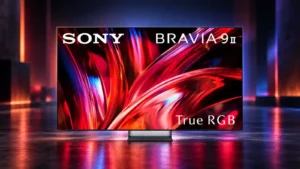
Overall: 4.3/5
Out-of-box grayscale and white-balance behavior is solid, providing a good foundation for accurate picture modes.
Pros: overall satisfaction, overall image accuracy
Cons: value for money, bass performance
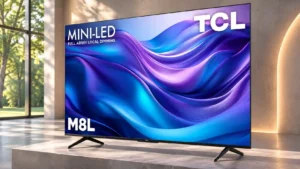
Overall: 4.1/5
Grayscale tracking is good overall, with a few small issues in the brighter grays.
Pros: value for money, overall satisfaction
Cons: HDR brightness
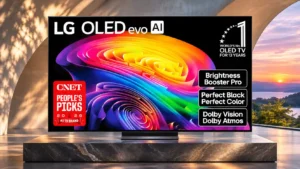
Overall: 4.1/5
Factory white balance can lean cool, especially in HDR, but straightforward adjustments often bring gray tracking and color temperature close to reference.
Pros: gaming performance, HDR brightness
Cons: reflection handling, glare resistance

Overall: 4.4/5
Most modes are well balanced after proper setup, but some samples show green, pink, or warm magenta tint, especially off-axis or in selected scenes.
Pros: picture quality, peak brightness
Cons: value for money, sound quality
Overall: 4.3/5
The default picture can lean a little cool, but white-balance errors are modest and improve with calibration.
Pros: picture quality, black levels
Cons: bass performance, HDR brightness
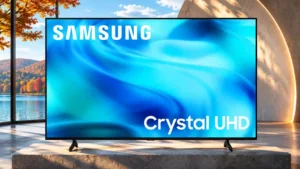
Overall: 2.7/5
Some see much cleaner whites than older entry-level sets, but controlled measurements detect a cold color cast until calibrated.
Pros: white balance accuracy, design and appearance
Cons: overall satisfaction, value for money
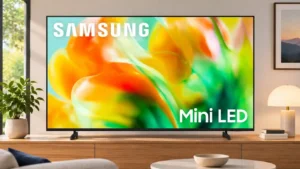
Overall: 3.1/5
SDR white balance has a slight pink tint, with changing brightness making calibrated accuracy hard to retain.
Pros: gaming performance, color accuracy
Cons: value for money, overall satisfaction
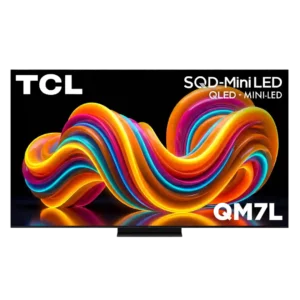
Overall: 3.9/5
White balance is acceptable but inconsistent, with cool or blue-leaning defaults appearing repeatedly. The bias is usually described as correctable through picture controls.
Pros: peak brightness, picture quality
Cons: color accuracy, viewing angles
Overall: 4.0/5
White balance can look close to ideal by default, but a visible green or yellow bias appears in some scenes alongside the C6 and B5.
Pros: contrast ratio, black levels
Cons: reflection handling, color accuracy
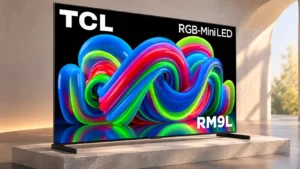
Overall: 3.8/5
The factory white balance can lean blue, though other presets and professional calibration improve it substantially.
Pros: picture quality, overall satisfaction
Cons: color crosstalk, value for money

Overall: 4.0/5
White balance is not consistently reference-accurate; some presets look too warm, while careful adjustment can improve neutral tones.
Pros: peak brightness, blooming control
Cons: value for money, motion clarity

Overall: 3.1/5
HDR whites carry a small blue bias, and calibration does not fully correct their balance. SDR deviations are generally harder to notice.
Pros: design and appearance, maximum volume
Cons: picture quality, value for money
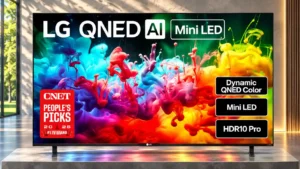
Overall: 3.4/5
Default grayscale can skew warm or blue depending on brightness. Fine calibration needs to be tailored to the individual panel.
Pros: picture quality, color accuracy
Cons: remote control quality, black levels
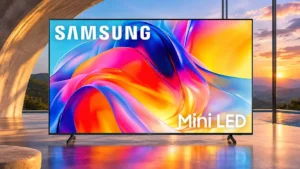
Overall: 2.6/5
HDR white balance is mostly good despite a slight cool tint and errors in dark detail.
Pros: sound quality, picture quality
Cons: value for money, local dimming performance
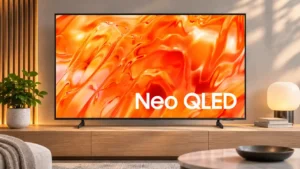
Overall: 3.1/5
Default whites can look too green or warm, though calibration helps correct the balance.
Pros: picture quality, overall satisfaction
Cons: sound quality, black levels
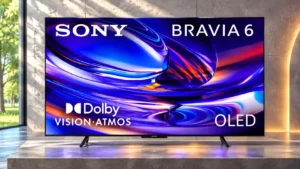
Overall: 3.8/5
Factory white balance is imperfect, especially in bright SDR scenes, though calibration can produce excellent results.
Pros: HDMI 2.1 port count, Video input versatility
Cons: value for money, overall satisfaction
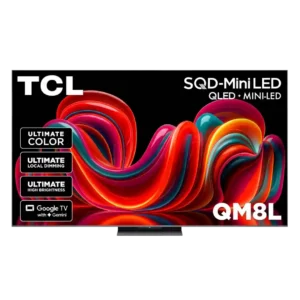
Overall: 4.4/5
Grayscale and bright whites are serviceable but not flawless out of the box, with the brightest tones showing the most visible deviation.
Pros: picture quality, value for money
Cons: stand quality, judder handling
Overall: 4.2/5
SDR white balance is generally good, while uncalibrated HDR can look noticeably cool until adjusted.
Pros: overall satisfaction, glare resistance
Cons: motion handling, viewing angles
Overall: 2.9/5
SDR whites can lean red and warm, while other preset modes become too cool or blue.
Pros: value for money, picture quality
Cons: account requirements, gaming performance
Overall: 3.8/5
White balance is accurate in the best presets or after calibration, but some units show a noticeable cool or blue tint out of the box.
Pros: picture quality, contrast ratio
Cons: blooming control, glare resistance
Overall: 3.8/5
Factory SDR grays can appear too blue, but calibration can remove the unwanted cool tint.
Pros: overall satisfaction, color gamut
Cons: value for money, local dimming performance

Overall: 3.4/5
Out-of-box whites can have a noticeably reddish, warm cast that benefits from calibration.
Pros: art display mode, picture quality
Cons: contrast ratio, high-refresh-rate gaming

Overall: 3.5/5
Out-of-box grays lean visibly blue, but calibration improves the color temperature substantially.
Pros: art display mode, design and appearance
Cons: overall satisfaction, HDMI port accessibility
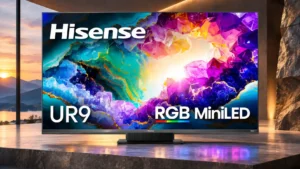
Overall: 4.1/5
Red or blue casts in brighter grays and whites are a recurring weakness of default picture modes.
Pros: peak brightness, picture quality
Cons: value for money, color accuracy
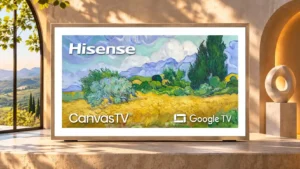
Overall: 3.8/5
Default white balance is overly blue and cool, although significant calibration can bring it close to ideal.
Pros: picture quality, color accuracy
Cons: HDR performance, sound quality
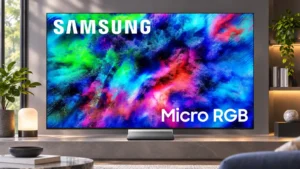
Overall: 3.7/5
A cool blue cast can spoil neutral grays and whites before calibration. White-balance adjustments markedly improve SDR accuracy, although HDR remains less consistent.
Pros: color volume, overall satisfaction
Cons: value for money, color accuracy
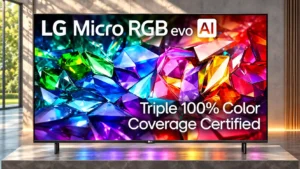
Overall: 4.0/5
Factory gray tones and white balance are significantly off, and color temperature can shift with scene brightness.
Pros: peak brightness, picture quality
Cons: value for money, viewing angles