Best for white balance accuracy
Samsung S90H
5.0 attribute score
Highest scored product for this attribute based on supporting review evidence.

Highest scored product for this attribute based on supporting review evidence.
Balances the attribute score, supporting reviews, and overall product strength.
Has the broadest review evidence for this attribute.
Strongest overall product among items with scored evidence for this attribute.
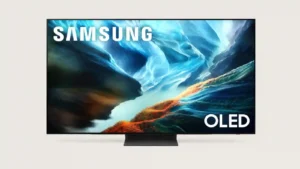
Overall: 4.5/5
White balance is strong in accurate modes, with only small residual errors. Default Standard settings can skew much cooler than the mastering target.
Pros: glare resistance, black levels
Cons: Dolby Vision support, color gamut
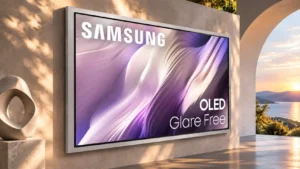
Overall: 4.2/5
Reference-style picture modes have exceptionally accurate white balance, with only minor errors that calibration can reduce.
Pros: picture quality, overall satisfaction
Cons: design and appearance, Dolby Vision support
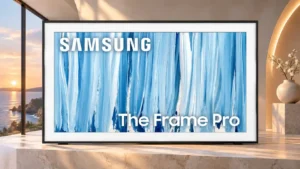
Overall: 3.8/5
Out-of-box white balance is extremely good, with only a barely noticeable cool cast.
Pros: cable management, design and appearance
Cons: value for money, Dolby Vision support
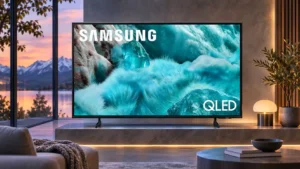
Overall: 3.0/5
SDR white balance is close to reference and out-of-box color temperature is a strength, although HDR grays can skew cool.
Pros: color gamut, smart TV platform
Cons: value for money, overall satisfaction
Overall: 3.3/5
White balance and color temperature are generally accurate, especially with careful calibration.
Pros: overall satisfaction, picture quality
Cons: reliability, remote control quality

Overall: 4.0/5
SDR balance is notably close to target, but HDR grayscale and certain preset tones benefit from calibration.
Pros: reflection handling, overall satisfaction
Cons: Dolby Vision support, bass performance
Overall: 4.0/5
Out-of-box SDR whites are close to reference, with only a small cool cast. Filmmaker settings help deliver a natural-looking image.
Pros: black levels, picture quality
Cons: glare resistance, reflection handling
Overall: 3.3/5
White balance and color temperature can be very good in SDR, though some settings or models lean too cool and dark.
Pros: color accuracy, upscaling quality
Cons: picture quality, sound quality

Overall: 4.2/5
Whites and neutral tones are generally well controlled, particularly after calibration. Some out-of-box settings show a slightly warm or otherwise imperfect balance.
Pros: high-refresh-rate gaming, gaming performance
Cons: value for money, bass performance
Overall: 3.8/5
Filmmaker and movie-style settings are often close to correct, though other presets may need a warmer color-temperature adjustment.
Pros: picture quality, 4K at 144 Hz support
Cons: sound quality, value for money
Overall: 4.1/5
Factory white balance is highly accurate in SDR; HDR has some minor gray-shade deviations.
Pros: black levels, contrast ratio
Cons: Dolby Vision support, stutter handling
Overall: 3.8/5
The out-of-box balance is good but a little warm, improving to nearly ideal after calibration.
Pros: Wireless One Connect compatibility, art display mode
Cons: value for money, input lag
Overall: 3.9/5
Calibration can achieve excellent neutrality, although some out-of-box HDR presets run too cool or emphasize red and blue.
Pros: value for money, overall satisfaction
Cons: Dolby Vision support, sound quality
Overall: 2.7/5
Some see much cleaner whites than older entry-level sets, but controlled measurements detect a cold color cast until calibrated.
Pros: white balance accuracy, design and appearance
Cons: overall satisfaction, value for money
Overall: 3.1/5
SDR white balance has a slight pink tint, with changing brightness making calibrated accuracy hard to retain.
Pros: gaming performance, color accuracy
Cons: value for money, overall satisfaction
Overall: 3.0/5
SDR white balance is relatively close to target and becomes very strong after calibration; HDR balance is less consistent.
Pros: picture quality, smart TV platform
Cons: value for money, refresh rate

Overall: 3.8/5
SDR white balance can be impressive out of the box, while some HDR tests found a noticeable color-temperature bias.
Pros: overall satisfaction, picture quality
Cons: value for money, local dimming performance

Overall: 3.9/5
SDR white balance is good, but HDR can lean too blue and cool. Calibration improves it without eliminating every mapping error.
Pros: color volume, black levels
Cons: Inconsistent panel and coating by size, sound quality

Overall: 4.2/5
Factory whites can lean cool or green, but calibration brings the image much closer to neutral.
Pros: picture quality, glare resistance
Cons: value for money, bass performance
Overall: 2.6/5
HDR white balance is mostly good despite a slight cool tint and errors in dark detail.
Pros: sound quality, picture quality
Cons: value for money, local dimming performance

Overall: 3.1/5
Default whites can look too green or warm, though calibration helps correct the balance.
Pros: picture quality, overall satisfaction
Cons: sound quality, black levels
Overall: 3.8/5
White balance is accurate in the best presets or after calibration, but some units show a noticeable cool or blue tint out of the box.
Pros: picture quality, contrast ratio
Cons: blooming control, glare resistance
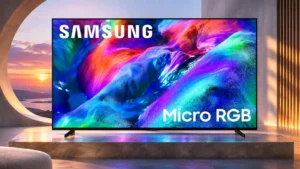
Overall: 3.8/5
Factory SDR grays can appear too blue, but calibration can remove the unwanted cool tint.
Pros: overall satisfaction, color gamut
Cons: value for money, local dimming performance
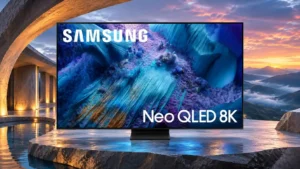
Overall: 3.8/5
Default white balance tends too warm, especially in lighter grays, and is much better after calibration.
Pros: glare resistance, overall satisfaction
Cons: input lag, value for money

Overall: 3.5/5
Out-of-box grays lean visibly blue, but calibration improves the color temperature substantially.
Pros: art display mode, design and appearance
Cons: overall satisfaction, HDMI port accessibility
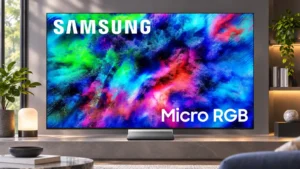
Overall: 3.7/5
A cool blue cast can spoil neutral grays and whites before calibration. White-balance adjustments markedly improve SDR accuracy, although HDR remains less consistent.
Pros: color volume, overall satisfaction
Cons: value for money, color accuracy