Best for high-refresh-rate gaming
Samsung S95H OLED
5.0 attribute score
Highest scored product for this attribute based on supporting review evidence.

Highest scored product for this attribute based on supporting review evidence.
Balances the attribute score, supporting reviews, and overall product strength.
Has the broadest review evidence for this attribute.
Strongest overall product among items with scored evidence for this attribute.
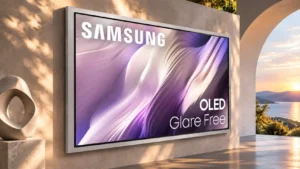
Overall: 4.2/5
The 165Hz capability, instant pixel response, and variable refresh produce crisp fast-paced gaming.
Pros: picture quality, overall satisfaction
Cons: design and appearance, Dolby Vision support

Overall: 4.5/5
High-frame-rate gaming is a core strength, especially on PC where the panel can run up to 165Hz.
Pros: glare resistance, black levels
Cons: Dolby Vision support, color gamut
Overall: 3.4/5
Fast PC modes are outstanding value at up to 4K/144Hz or 1080p/288Hz on supported sizes, despite slower 60Hz pixel response.
Pros: picture quality, value for money
Cons: viewing angles, HDR performance
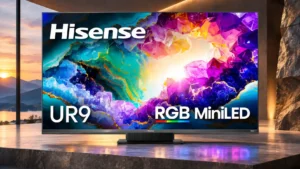
Overall: 4.1/5
Native 4K/180Hz and a separate lower-resolution 330Hz option stand out for PC gaming, but refresh-rate figures do not eliminate response-time blur.
Pros: peak brightness, picture quality
Cons: value for money, color accuracy
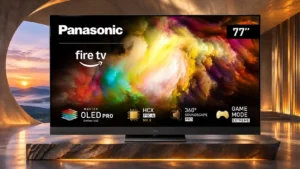
Overall: 4.0/5
The near-instant OLED transitions keep 120Hz and 144Hz gameplay exceptionally crisp, notably on PC.
Pros: overall satisfaction, picture quality
Cons: size options, value for money
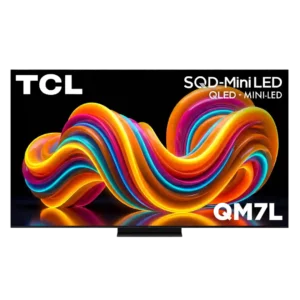
Overall: 3.9/5
PC players can reach 4K/144Hz or 1080p/288Hz, providing unusually flexible high-refresh options for a television.
Pros: peak brightness, picture quality
Cons: color accuracy, viewing angles
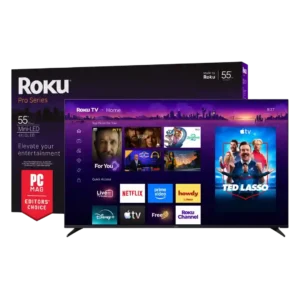
Overall: 4.4/5
4K/120 gaming works well and gives modern consoles a responsive, fluid presentation.
Pros: overall satisfaction, picture quality
Cons: reliability, portability and versatility
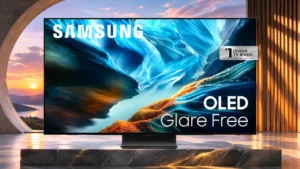
Overall: 4.1/5
Fast OLED transitions make rapid action crisp at high frame rates, ideal for smooth competitive play.
Pros: black levels, contrast ratio
Cons: Dolby Vision support, stutter handling
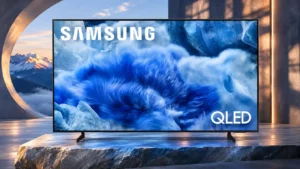
Overall: 3.3/5
High-refresh HDMI capability is impressive for the larger U.S. sizes but does not translate into sharp fast motion.
Pros: overall satisfaction, picture quality
Cons: reliability, remote control quality
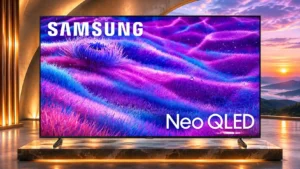
Overall: 3.8/5
Fast 120–144Hz input and low lag help gameplay feel quick, but dark-motion smearing remains a caveat.
Pros: overall satisfaction, picture quality
Cons: value for money, local dimming performance
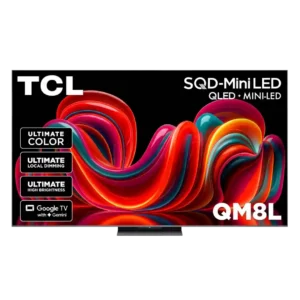
Overall: 4.4/5
High-refresh play looks smooth and responsive, giving modern consoles and gaming PCs room to run at their supported frame rates.
Pros: picture quality, value for money
Cons: stand quality, judder handling
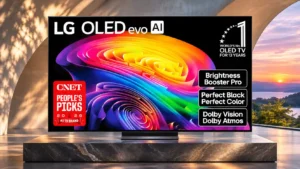
Overall: 4.1/5
PC users can reach 165Hz with VRR, but some testing found that 120Hz gives a cleaner, more stable image.
Pros: gaming performance, HDR brightness
Cons: reflection handling, glare resistance
Overall: 4.0/5
Fast 120Hz play is sharp and fluid, with variable refresh rate helping avoid tears when frame rates fluctuate.
Pros: contrast ratio, black levels
Cons: reflection handling, color accuracy

Overall: 4.2/5
4K gaming can reach up to 165Hz, giving capable PCs notably fluid movement. The advantage narrows at 60Hz and native 8K remains limited to 60Hz input.
Pros: high-refresh-rate gaming, gaming performance
Cons: value for money, bass performance

Overall: 4.1/5
The move from 144Hz to 165Hz is a useful upgrade for PC players. One test found intermittent flicker and softness at 165Hz, while 120Hz remained more stable.
Pros: picture quality, gaming performance
Cons: value for money, sound quality

Overall: 4.4/5
PC gaming reaches up to 165Hz, while consoles are exceptionally well served at 120Hz. The maximum 165Hz mode can trade some gradation and chroma quality for speed.
Pros: picture quality, peak brightness
Cons: value for money, sound quality
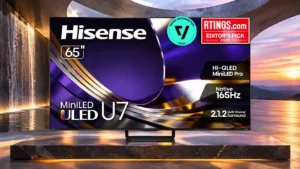
Overall: 4.2/5
The 165Hz native 4K mode and faster reduced-resolution options favor capable PCs, but response-time blur limits ultimate competitive clarity.
Pros: overall satisfaction, glare resistance
Cons: motion handling, viewing angles
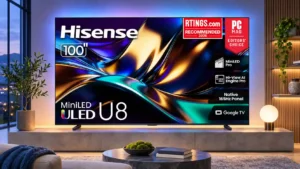
Overall: 4.1/5
Support up to 4K/165Hz is attractive to PC players, but the image can smear in difficult motion despite the high signal rate.
Pros: peak brightness, HDR brightness
Cons: sound quality, viewing angles

Overall: 4.0/5
Two HDMI 2.1 inputs support 4K up to 144Hz, with even higher rates at reduced resolution, making it unusually flexible at this price.
Pros: color accuracy, picture quality
Cons: HDR brightness, peak brightness
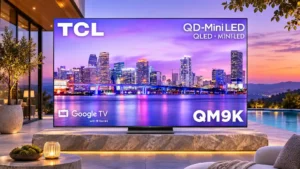
Overall: 3.9/5
Fast PC modes and console-friendly refresh rates are big strengths, though a reported PC handshake problem and slower pixel transitions keep performance from being flawless.
Pros: peak brightness, overall satisfaction
Cons: value for money, shadow detail

Overall: 3.8/5
The combination of 4K/144Hz inputs and even faster lower-resolution modes makes high-frame-rate gaming flexible and enjoyable.
Pros: picture quality, overall satisfaction
Cons: color crosstalk, value for money
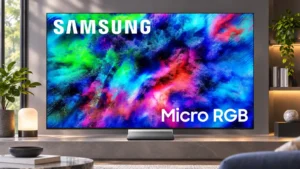
Overall: 3.7/5
The panel supports up to 4K/165Hz and 1080p/240Hz, making it especially appealing to gaming PC users. Motion can still be softer than on OLED.
Pros: color volume, overall satisfaction
Cons: value for money, color accuracy
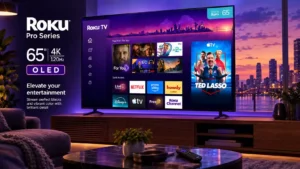
Overall: 4.1/5
120Hz play is smooth and responsive for consoles, but falls short of the higher refresh ceilings available on premium gaming TVs.
Pros: contrast ratio, value for money
Cons: peak brightness, HDR brightness
Overall: 4.3/5
The 144Hz panel makes games feel fluid and responsive for some, but slow pixel transitions can leave long trails behind moving objects.
Pros: picture quality, black levels
Cons: bass performance, HDR brightness
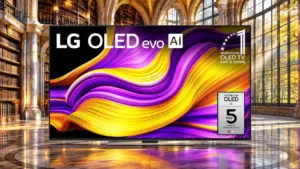
Overall: 4.2/5
Extremely fast response and support up to 165 Hz keep PC games crisp and responsive. The 97-inch panel has different capabilities.
Pros: overall satisfaction, picture quality
Cons: banding control, remote control quality
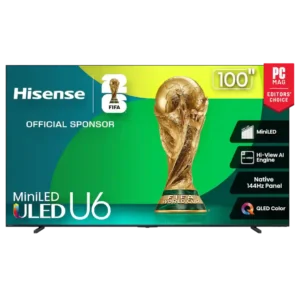
Overall: 4.2/5
High-refresh gaming is usually a standout strength, especially for PC use and 120Hz-capable consoles. One conflicting source describes a 60Hz ceiling, while another cautions that the full 144Hz benefit is...
Pros: overall satisfaction, value for money
Cons: smart TV platform, blooming control
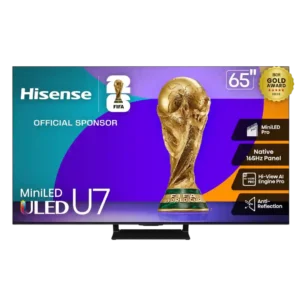
Overall: 4.0/5
High-refresh gaming is a headline strength, reaching 165Hz in several tests and making the set particularly appealing to PC gamers.
Pros: overall satisfaction, picture quality
Cons: reliability, build quality
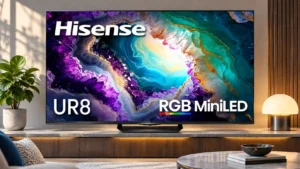
Overall: 4.0/5
180Hz at 4K and even faster reduced-resolution modes benefit capable PCs, but pixel response doesn't always keep up with the refresh figures.
Pros: gaming performance, color volume
Cons: blooming control, dark-room performance
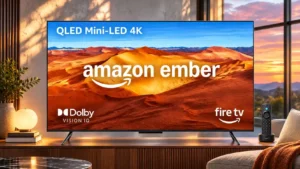
Overall: 3.7/5
120Hz console play and optional 144Hz PC play make games feel responsive and smooth. Slow pixel transitions can soften moving detail even at these rates.
Pros: value for money, HDR brightness
Cons: color accuracy, shadow detail

Overall: 4.0/5
165Hz PC support pushes beyond typical console frame rates and preserves clear fast motion, provided the source supports compression where needed.
Pros: reflection handling, overall satisfaction
Cons: Dolby Vision support, bass performance
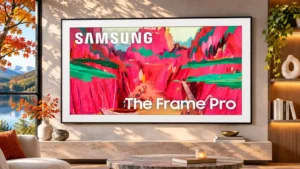
Overall: 3.8/5
The 144Hz refresh ceiling and vivid graphics appeal to gaming fans, yet wireless latency and blurry pixel transitions keep the result mixed.
Pros: Wireless One Connect compatibility, art display mode
Cons: value for money, input lag
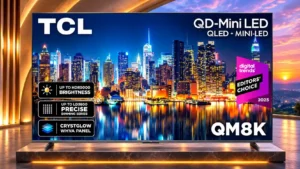
Overall: 4.0/5
Fast 4K play looks engaging, with support up to 144Hz through compatible inputs; 288Hz gaming requires a lower resolution.
Pros: peak brightness, picture quality
Cons: HDMI 2.1 port count, reflection handling
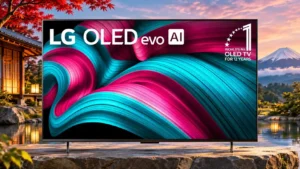
Overall: 4.0/5
High refresh support and nearly instantaneous pixel response make quick action look sharp and feel responsive.
Pros: value for money, overall satisfaction
Cons: Remote control usability, sound quality
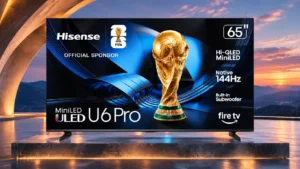
Overall: 4.1/5
The 144Hz refresh specification and VRR are valuable, but the TV's relatively slow pixels prevent consistently crisp fast motion.
Pros: overall satisfaction, value for money
Cons: Smart TV platform, advertising intrusiveness

Overall: 3.5/5
Compatible PCs can run at 4K/144Hz, and consoles have useful 120Hz support. Dark motion blur remains a drawback during fast play.
Pros: art display mode, design and appearance
Cons: overall satisfaction, HDMI port accessibility
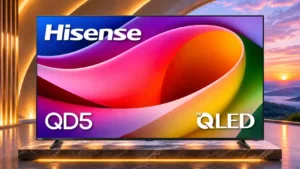
Overall: 3.9/5
The large 144Hz panel and low lag appeal to gamers, but motion blur persists even at the highest refresh settings.
Pros: overall satisfaction, picture quality
Cons: Weight and handling, black levels
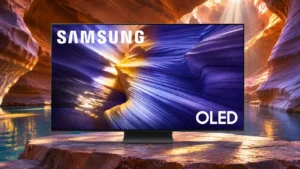
Overall: 3.9/5
Fast PC and console play benefits from 144 Hz support, rapid pixel transitions, and low latency.
Pros: value for money, overall satisfaction
Cons: Dolby Vision support, sound quality
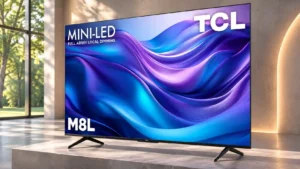
Overall: 4.1/5
A native 144Hz mode and higher-speed reduced-resolution option appeal to players seeking rapid updates, though blur can persist during fast action.
Pros: value for money, overall satisfaction
Cons: HDR brightness
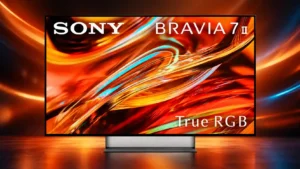
Overall: 4.2/5
The TV is well suited to 120Hz console gaming, but its ceiling is less ambitious than newer 144Hz-and-higher competitors.
Pros: overall satisfaction, picture quality
Cons: HDMI 2.1 port count, reflection handling

Overall: 4.0/5
120Hz OLED motion is crisp for consoles and most PC gaming, but fast competitive PCs can benefit from higher refresh rates offered elsewhere.
Pros: black levels, picture quality
Cons: glare resistance, reflection handling
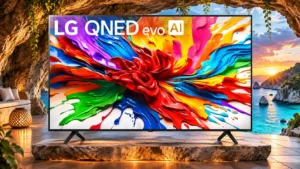
Overall: 3.9/5
120Hz and 144Hz are useful for responsive games, although slow transitions from very dark shades can add blur.
Pros: gaming performance, overall satisfaction
Cons: sound quality, value for money

Overall: 3.8/5
Fast signal acceptance up to 4K 144Hz and 1080p 288Hz is impressive, but blurry pixel transitions and size-specific limits temper gaming suitability.
Pros: picture quality, color accuracy
Cons: HDR performance, sound quality

Overall: 3.8/5
120Hz consoles and 144Hz PCs get useful input support, but the slow pixel response prevents consistently crisp fast action.
Pros: picture quality, 4K at 144 Hz support
Cons: sound quality, value for money
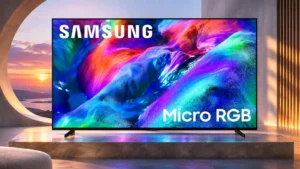
Overall: 3.8/5
4K/144Hz and VRR are strong technical benefits, but enthusiasts may prefer rivals with sharper response and lower processing delay.
Pros: overall satisfaction, color gamut
Cons: value for money, local dimming performance
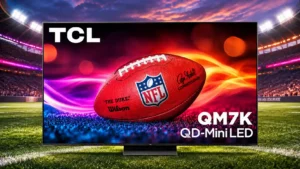
Overall: 3.9/5
With native 144Hz and faster 1080p modes, fast PC games benefit from smooth animation; the panel cannot eliminate every pixel artifact.
Pros: peak brightness, value for money
Cons: reflection handling, glare resistance

Overall: 3.8/5
High refresh and variable refresh make the larger models attractive to console and PC players; the 50-inch variant is less capable.
Pros: picture quality, contrast ratio
Cons: blooming control, glare resistance
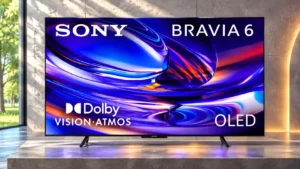
Overall: 3.8/5
At 120Hz, game movement remains sharp and responsive. The ceiling is lower than the 165Hz offered by some similarly priced OLED rivals.
Pros: HDMI 2.1 port count, Video input versatility
Cons: value for money, overall satisfaction

Overall: 3.1/5
The set accepts 4K at up to 144Hz and 1080p at 240Hz, but moving images are not always as sharp as those input rates imply.
Pros: gaming performance, color accuracy
Cons: value for money, overall satisfaction
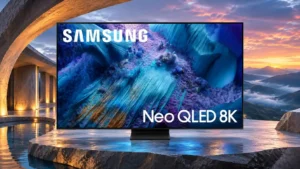
Overall: 3.8/5
The TV supports unusually fast gaming formats and variable refresh. Slow pixel transitions, motion duplication and wireless delay can prevent those specifications from translating into clean, responsive gameplay.
Pros: glare resistance, overall satisfaction
Cons: input lag, value for money
Overall: 3.6/5
The 55-inch and larger versions support up to 144Hz with lower-resolution signals; the 50-inch version lacks that option.
Pros: black levels, picture quality
Cons: HDR performance, blooming control