Best for high-refresh-rate gaming
Samsung S95H OLED
5.0 attribute score
Highest scored product for this attribute based on supporting review evidence.

Highest scored product for this attribute based on supporting review evidence.
Balances the attribute score, supporting reviews, and overall product strength.
Has the broadest review evidence for this attribute.
Strongest overall product among items with scored evidence for this attribute.
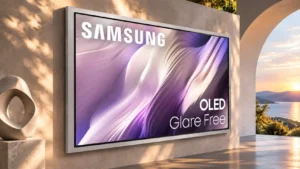
The 165Hz capability, instant pixel response, and variable refresh produce crisp fast-paced gaming.
Pros: picture quality, overall satisfaction
Cons: design and appearance, Dolby Vision support
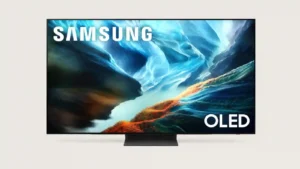
High-frame-rate gaming is a core strength, especially on PC where the panel can run up to 165Hz.
Pros: glare resistance, black levels
Cons: Dolby Vision support, color gamut
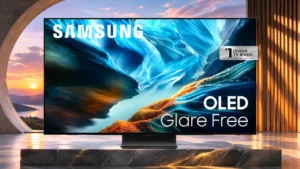
Fast OLED transitions make rapid action crisp at high frame rates, ideal for smooth competitive play.
Pros: black levels, contrast ratio
Cons: Dolby Vision support, stutter handling
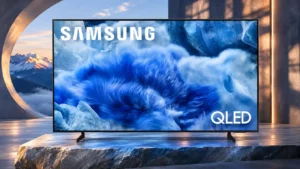
High-refresh HDMI capability is impressive for the larger U.S. sizes but does not translate into sharp fast motion.
Pros: overall satisfaction, picture quality
Cons: reliability, remote control quality
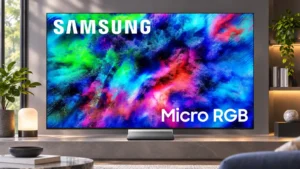
The panel supports up to 4K/165Hz and 1080p/240Hz, making it especially appealing to gaming PC users. Motion can still be softer than on OLED.
Pros: color volume, overall satisfaction
Cons: value for money, color accuracy

Compatible PCs can run at 4K/144Hz, and consoles have useful 120Hz support. Dark motion blur remains a drawback during fast play.
Pros: art display mode, design and appearance
Cons: overall satisfaction, HDMI port accessibility
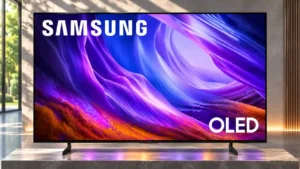
120Hz OLED motion is crisp for consoles and most PC gaming, but fast competitive PCs can benefit from higher refresh rates offered elsewhere.
Pros: black levels, picture quality
Cons: glare resistance, reflection handling
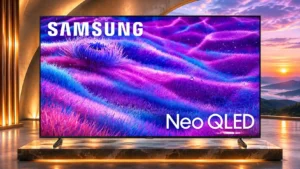
Up to 4K/144Hz and low input lag appeal to PC players, but detailed motion testing reveals dark-transition blur even at high refresh rates. Speed on paper is not the same...
Pros: Large-screen immersion, overall satisfaction
Cons: value for money, black levels
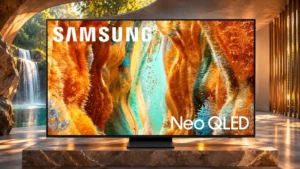
120Hz consoles and 144Hz PCs get useful input support, but the slow pixel response prevents consistently crisp fast action.
Pros: picture quality, 4K at 144 Hz support
Cons: sound quality, value for money
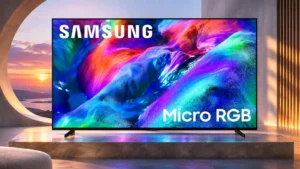
4K/144Hz and VRR are strong technical benefits, but enthusiasts may prefer rivals with sharper response and lower processing delay.
Pros: overall satisfaction, color gamut
Cons: value for money, local dimming performance
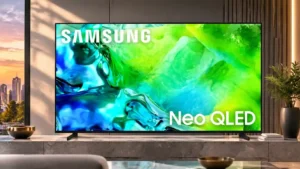
High refresh and variable refresh make the larger models attractive to console and PC players; the 50-inch variant is less capable.
Pros: picture quality, contrast ratio
Cons: blooming control, glare resistance
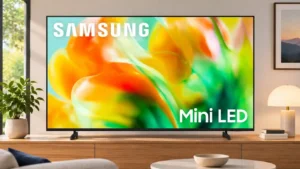
The set accepts 4K at up to 144Hz and 1080p at 240Hz, but moving images are not always as sharp as those input rates imply.
Pros: gaming performance, color accuracy
Cons: value for money, overall satisfaction
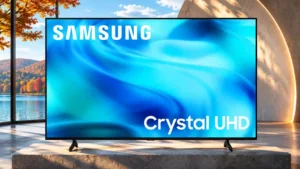
A restricted 1080p/120Hz mode helps selected larger sizes, but native 4K gaming remains limited to 60Hz.
Pros: white balance accuracy, design and appearance
Cons: overall satisfaction, value for money
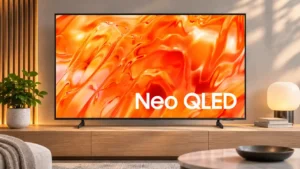
1080p/120Hz is a conditional workaround on screens 55 inches and larger, not a replacement for 4K/120Hz or VRR.
Pros: picture quality, overall satisfaction
Cons: sound quality, black levels
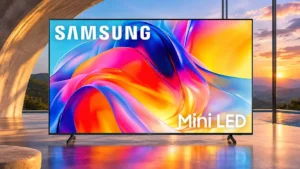
The native 60Hz panel cannot deliver genuine 120fps clarity, and DLG cannot make up for that hardware limit.
Pros: sound quality, picture quality
Cons: value for money, local dimming performance
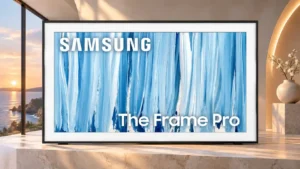
Rapid-refresh modes sound enticing, but blurry transitions and input lag keep this from being a top competitive-gaming screen.
Pros: cable management, design and appearance
Cons: value for money, Dolby Vision support
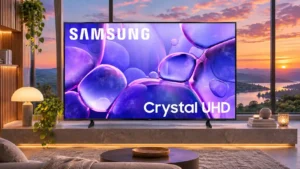
Anyone used to 120Hz or faster screens will notice the 60Hz limit, which makes this a poor upgrade for competitive high-refresh play.
Pros: color accuracy, upscaling quality
Cons: picture quality, sound quality
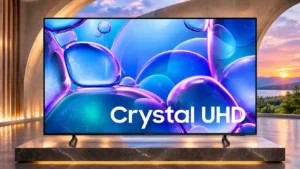
The set tops out at 60Hz regardless of input resolution, so it cannot provide the 120Hz or higher output expected for modern fast-paced gaming.
Pros: picture quality, smart TV platform
Cons: value for money, refresh rate