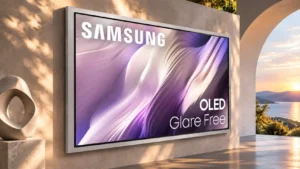
The 165Hz capability, instant pixel response, and variable refresh produce crisp fast-paced gaming.
Pros: picture quality, overall satisfaction
Cons: design and appearance, Dolby Vision support

The 165Hz capability, instant pixel response, and variable refresh produce crisp fast-paced gaming.
Pros: picture quality, overall satisfaction
Cons: design and appearance, Dolby Vision support
High-frame-rate gaming is a core strength, especially on PC where the panel can run up to 165Hz.
Pros: glare resistance, black levels
Cons: Dolby Vision support, color gamut
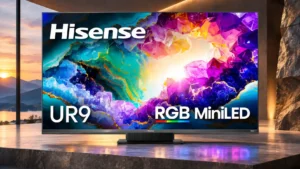
Native 4K/180Hz and a separate lower-resolution 330Hz option stand out for PC gaming, but refresh-rate figures do not eliminate response-time blur.
Pros: peak brightness, picture quality
Cons: value for money, color accuracy
PC players can reach 4K/144Hz or 1080p/288Hz, providing unusually flexible high-refresh options for a television.
Pros: peak brightness, picture quality
Cons: color accuracy, viewing angles
Fast OLED transitions make rapid action crisp at high frame rates, ideal for smooth competitive play.
Pros: black levels, contrast ratio
Cons: Dolby Vision support, stutter handling
High-refresh play looks smooth and responsive, giving modern consoles and gaming PCs room to run at their supported frame rates.
Pros: picture quality, value for money
Cons: stand quality, judder handling
PC users can reach 165Hz with VRR, but some testing found that 120Hz gives a cleaner, more stable image.
Pros: gaming performance, HDR brightness
Cons: reflection handling, glare resistance
Fast 120Hz play is sharp and fluid, with variable refresh rate helping avoid tears when frame rates fluctuate.
Pros: contrast ratio, black levels
Cons: reflection handling, color accuracy
The move from 144Hz to 165Hz is a useful upgrade for PC players. One test found intermittent flicker and softness at 165Hz, while 120Hz remained more stable.
Pros: picture quality, gaming performance
Cons: value for money, sound quality

PC gaming reaches up to 165Hz, while consoles are exceptionally well served at 120Hz. The maximum 165Hz mode can trade some gradation and chroma quality for speed.
Pros: picture quality, peak brightness
Cons: value for money, sound quality
The 165Hz native 4K mode and faster reduced-resolution options favor capable PCs, but response-time blur limits ultimate competitive clarity.
Pros: overall satisfaction, glare resistance
Cons: motion handling, viewing angles
The combination of 4K/144Hz inputs and even faster lower-resolution modes makes high-frame-rate gaming flexible and enjoyable.
Pros: picture quality, overall satisfaction
Cons: color crosstalk, value for money
The panel supports up to 4K/165Hz and 1080p/240Hz, making it especially appealing to gaming PC users. Motion can still be softer than on OLED.
Pros: color volume, overall satisfaction
Cons: value for money, color accuracy
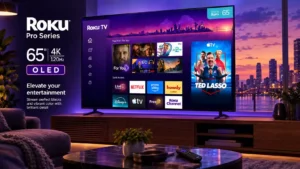
120Hz play is smooth and responsive for consoles, but falls short of the higher refresh ceilings available on premium gaming TVs.
Pros: contrast ratio, value for money
Cons: peak brightness, HDR brightness
The 144Hz panel makes games feel fluid and responsive for some, but slow pixel transitions can leave long trails behind moving objects.
Pros: picture quality, black levels
Cons: bass performance, HDR brightness
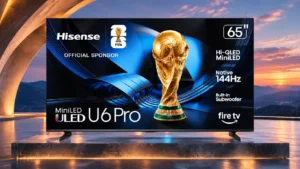
The 144Hz refresh specification and VRR are valuable, but the TV's relatively slow pixels prevent consistently crisp fast motion.
Pros: overall satisfaction, value for money
Cons: Smart TV platform, advertising intrusiveness

Compatible PCs can run at 4K/144Hz, and consoles have useful 120Hz support. Dark motion blur remains a drawback during fast play.
Pros: art display mode, design and appearance
Cons: overall satisfaction, HDMI port accessibility
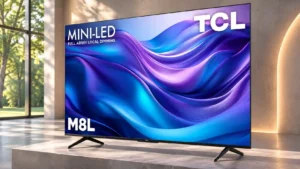
A native 144Hz mode and higher-speed reduced-resolution option appeal to players seeking rapid updates, though blur can persist during fast action.
Pros: value for money, overall satisfaction
Cons: HDR brightness
The TV is well suited to 120Hz console gaming, but its ceiling is less ambitious than newer 144Hz-and-higher competitors.
Pros: overall satisfaction, picture quality
Cons: HDMI 2.1 port count, reflection handling
120Hz OLED motion is crisp for consoles and most PC gaming, but fast competitive PCs can benefit from higher refresh rates offered elsewhere.
Pros: black levels, picture quality
Cons: glare resistance, reflection handling
Fast signal acceptance up to 4K 144Hz and 1080p 288Hz is impressive, but blurry pixel transitions and size-specific limits temper gaming suitability.
Pros: picture quality, color accuracy
Cons: HDR performance, sound quality
4K/144Hz and VRR are strong technical benefits, but enthusiasts may prefer rivals with sharper response and lower processing delay.
Pros: overall satisfaction, color gamut
Cons: value for money, local dimming performance
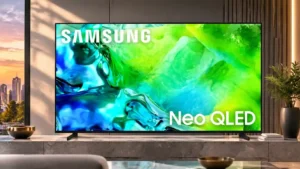
High refresh and variable refresh make the larger models attractive to console and PC players; the 50-inch variant is less capable.
Pros: picture quality, contrast ratio
Cons: blooming control, glare resistance
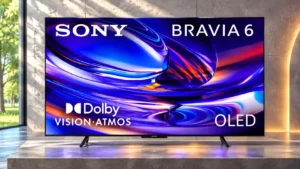
At 120Hz, game movement remains sharp and responsive. The ceiling is lower than the 165Hz offered by some similarly priced OLED rivals.
Pros: HDMI 2.1 port count, Video input versatility
Cons: value for money, overall satisfaction
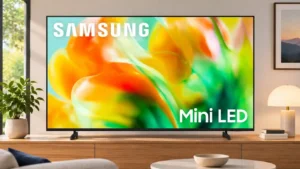
The set accepts 4K at up to 144Hz and 1080p at 240Hz, but moving images are not always as sharp as those input rates imply.
Pros: gaming performance, color accuracy
Cons: value for money, overall satisfaction

High refresh rates are available for demanding gaming sources; motion clarity does not improve as much as the specifications suggest.
Pros: peak brightness, blooming control
Cons: value for money, motion clarity
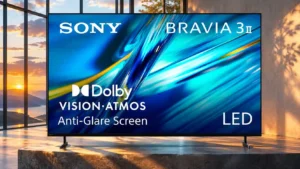
The native 120Hz refresh delivers fluid play on current consoles. PC users seeking 144Hz, 165Hz or faster must look elsewhere.
Pros: HDMI 2.1 port count, overall satisfaction
Cons: HDR performance, bass performance
Some sizes offer 1080p at 120Hz, but 4K is restricted to 60Hz and the 55-inch model lacks the faster mode.
Pros: value for money, picture quality
Cons: account requirements, gaming performance
A restricted 1080p/120Hz mode helps selected larger sizes, but native 4K gaming remains limited to 60Hz.
Pros: white balance accuracy, design and appearance
Cons: overall satisfaction, value for money
Fast PC modes are enticing on paper, but slow pixel transitions and flickering at the highest settings undermine fluid gameplay.
Pros: peak brightness, picture quality
Cons: value for money, viewing angles
1080p/120Hz is a conditional workaround on screens 55 inches and larger, not a replacement for 4K/120Hz or VRR.
Pros: picture quality, overall satisfaction
Cons: sound quality, black levels
Fast 4K and 1080p modes look appealing on paper, but pixel transitions make 144Hz action surprisingly blurry.
Pros: picture quality, black levels
Cons: viewing angles, motion clarity
The native 60Hz panel cannot deliver genuine 120fps clarity, and DLG cannot make up for that hardware limit.
Pros: sound quality, picture quality
Cons: value for money, local dimming performance
Rapid-refresh modes sound enticing, but blurry transitions and input lag keep this from being a top competitive-gaming screen.
Pros: cable management, design and appearance
Cons: value for money, Dolby Vision support

No high-refresh modes are available, even when resolution drops. Buyers expecting 120Hz or above should look elsewhere.
Pros: design and appearance, maximum volume
Cons: picture quality, value for money
Players wanting 120 Hz or higher should choose another TV; 60 Hz and blurry motion restrict responsiveness.
Pros: art display mode, picture quality
Cons: contrast ratio, high-refresh-rate gaming
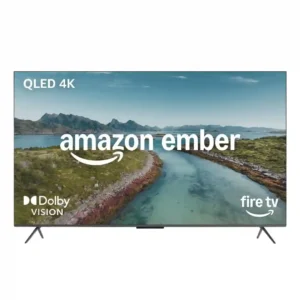
High-refresh gaming is a major weakness because the panel tops out at 60Hz. Reviewers consistently recommend 120Hz or 144Hz competitors for serious gaming.
Pros: picture quality, overall satisfaction
Cons: value for money, reliability
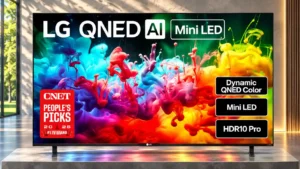
A hard 60Hz ceiling rules out the native 4K/120fps experience sought by competitive gamers.
Pros: picture quality, color accuracy
Cons: remote control quality, black levels
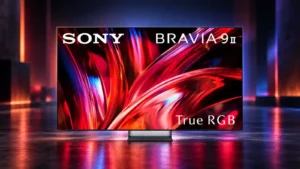
One demanding gaming test found 120Hz motion response notably weak, making the TV less appealing for high-refresh competitive play.
Pros: overall satisfaction, overall image accuracy
Cons: value for money, bass performance