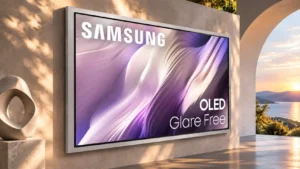
Fast action usually looks crisp and fluid, whether in sports, films, or games. Aggressive smoothing can create an unnatural appearance.
Pros: picture quality, overall satisfaction
Cons: design and appearance, Dolby Vision support

Fast action usually looks crisp and fluid, whether in sports, films, or games. Aggressive smoothing can create an unnatural appearance.
Pros: picture quality, overall satisfaction
Cons: design and appearance, Dolby Vision support
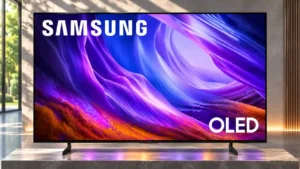
Sports and games appear clean and crisp thanks to fast pixel response. Low-frame-rate material can still show stutter or persistence blur.
Pros: black levels, picture quality
Cons: glare resistance, reflection handling
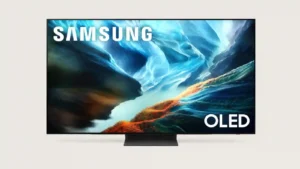
Motion is strong once settings are dialed in, with clean fast action and few artifacts. Default or automatic smoothing can be less natural.
Pros: glare resistance, black levels
Cons: Dolby Vision support, color gamut

Fast sports and movie movement is generally excellent. Default processing can look heavy-handed, but better-tuned modes restore natural motion.
Pros: picture quality, peak brightness
Cons: value for money, sound quality
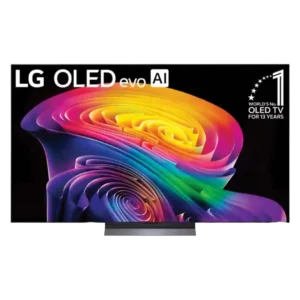
Sports, films, and games generally look smooth and controlled. The recommended Cinematic Movement setting reduces judder without creating an obvious soap-opera effect.
Pros: picture quality, gaming performance
Cons: value for money, sound quality
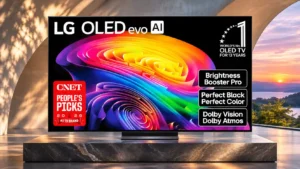
Fast action looks crisp with excellent pixel response and film playback is generally controlled, though some panning stutter is characteristic of OLED.
Pros: gaming performance, HDR brightness
Cons: reflection handling, glare resistance
Fast action looks clean with minimal smearing, although lower-frame-rate material can still reveal stutter.
Pros: contrast ratio, black levels
Cons: reflection handling, color accuracy
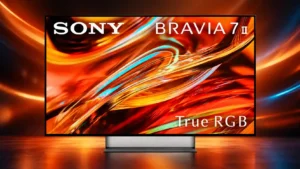
Motion is usually smooth, composed and artifact-free, continuing a traditional Sony strength. A few critical tests found less of an advantage over rivals than expected.
Pros: overall satisfaction, picture quality
Cons: HDMI 2.1 port count, reflection handling
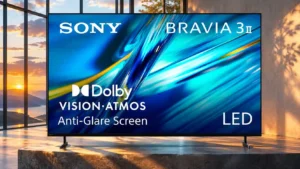
The 120Hz panel and Sony’s processing earn strong praise for sports and smooth camera movement. Lab testing is more cautious about blur at 60Hz, where transitions can look smeary.
Pros: HDMI 2.1 port count, overall satisfaction
Cons: HDR performance, bass performance
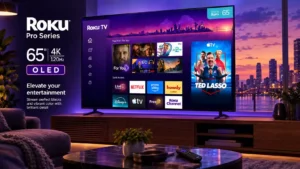
Motion generally holds up well against much more expensive televisions, especially during gaming. Film pans and some sports footage still reveal limitations.
Pros: contrast ratio, value for money
Cons: peak brightness, HDR brightness
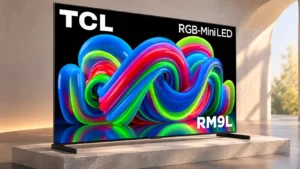
Sports and gaming generally look smooth and controlled, with better performance than older models. Some sources still show blur or uneven cadence.
Pros: picture quality, overall satisfaction
Cons: color crosstalk, value for money
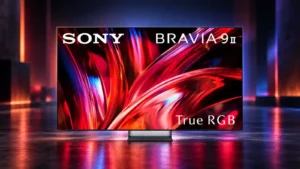
Motion handling is mostly strong and natural, but there is genuine disagreement: some testing found blur, noise or poor motion behavior in specific modes and games.
Pros: overall satisfaction, overall image accuracy
Cons: value for money, bass performance
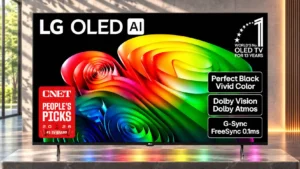
Fast play and sports generally remain clean and smooth, especially after choosing suitable motion settings.
Pros: value for money, peak brightness
Cons: color accuracy, stand quality
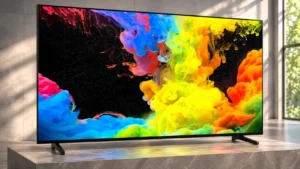
Motion is the most contested picture quality: several hands-on sessions find action smooth, while detailed testing flags smeary transitions, especially in dark scenes.
Pros: picture quality, black levels
Cons: bass performance, HDR brightness
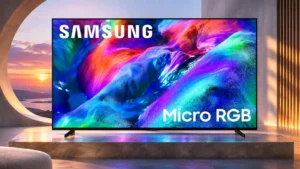
Fast action looks clean in some hands-on viewing, while instrumented testing finds motion blur and slower transitions.
Pros: overall satisfaction, color gamut
Cons: value for money, local dimming performance
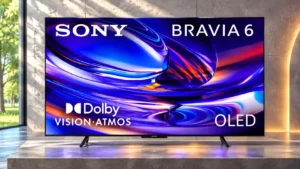
Pixel response is excellent for games and fast-moving content, but some 60p video is hampered by poor judder removal. Results depend on the source.
Pros: HDMI 2.1 port count, Video input versatility
Cons: value for money, overall satisfaction
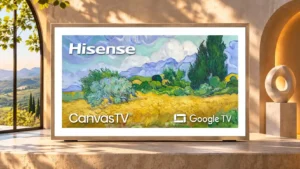
Moving images can look smooth during everyday viewing, but long pixel transitions cause conspicuous blur with demanding fast content.
Pros: picture quality, color accuracy
Cons: HDR performance, sound quality
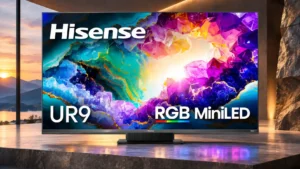
Sports and movies can look smooth, but the slower LCD transitions draw criticism when scenes or games move quickly.
Pros: peak brightness, picture quality
Cons: value for money, color accuracy
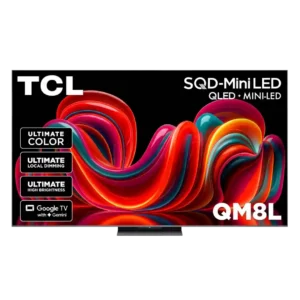
Motion is the most divisive area. Many found sports, movies, and casual gaming smooth, while stricter testing exposed blur and weaker performance with fast-moving content.
Pros: picture quality, value for money
Cons: stand quality, judder handling
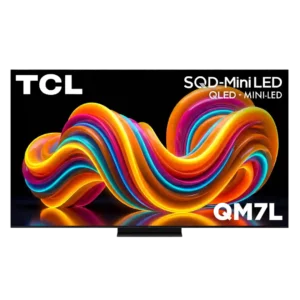
Film, sports, and games often look smooth with sensible settings, yet motion is highly inconsistent. Some fast scenes stay clean and responsive, while others show severe smearing and ghosting.
Pros: peak brightness, picture quality
Cons: color accuracy, viewing angles
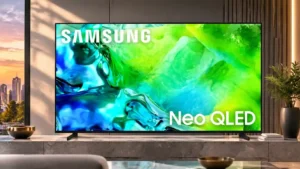
Opinions diverge: sports and game footage can look smooth with careful settings, but lab testing finds slow transitions and visible blur.
Pros: picture quality, contrast ratio
Cons: blooming control, glare resistance
Fast response and clean motion impress, but slow camera pans can still exhibit visible stutter.
Pros: black levels, contrast ratio
Cons: Dolby Vision support, stutter handling
Some users praise smooth action, but measured pixel transitions are slow enough to make sports and rapid games visibly smeary.
Pros: overall satisfaction, value for money
Cons: Smart TV platform, advertising intrusiveness
Some hands-on tests praise sports and game motion, while others find smearing or judder despite the panel's high input refresh rate.
Pros: gaming performance, color accuracy
Cons: value for money, overall satisfaction
Experiences differ dramatically: one hands-on test found smooth camera pans, while lab testing found motion consistently soft and smeared.
Pros: peak brightness, picture quality
Cons: value for money, viewing angles
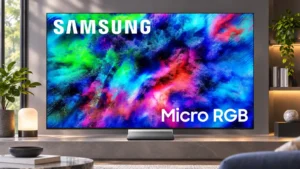
Sports, films and games can look fluid, especially after firmware improvements. Blurred pans, dark transitions and occasionally smeary movement remain weaknesses.
Pros: color volume, overall satisfaction
Cons: value for money, color accuracy

Motion is adequate for many games but less impressive for fast TV content. Blur, occasional color artifacts and poor uniformity limit sports enjoyment.
Pros: art display mode, design and appearance
Cons: overall satisfaction, HDMI port accessibility
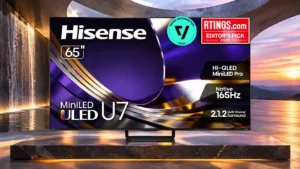
Real-world sports can look fluid, but slow pixel transitions, film judder and occasional artifacts mean motion is not consistently premium.
Pros: overall satisfaction, glare resistance
Cons: motion handling, viewing angles

Some film and TV playback looks reasonably smooth, but rapid movement in sports and action scenes often smears. Motion quality varies considerably with the content.
Pros: design and appearance, maximum volume
Cons: picture quality, value for money
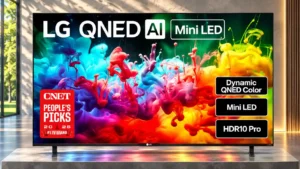
Judder and blur make motion a mixed point: viewers of 60fps content are more satisfied than those watching 24fps films or fast games.
Pros: picture quality, color accuracy
Cons: remote control quality, black levels
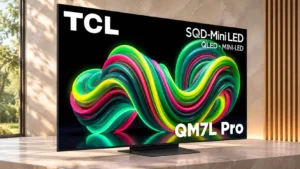
Motion performance is inconsistent across assessments. Some moving scenes appear reasonably clean, but fast sports and games can show significant blur or artifacts.
Pros: picture quality, black levels
Cons: viewing angles, motion clarity
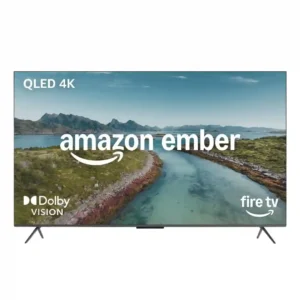
Motion is a recurring weakness in expert testing, with blur, artifacts, floaty movement, and poor sports handling reported. Some owners find it smooth enough for casual use, but demanding viewers...
Pros: picture quality, overall satisfaction
Cons: value for money, reliability
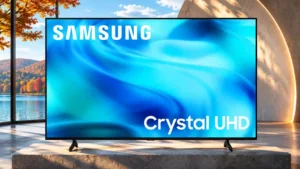
A few comparisons praise smoother action, but the underlying slow response and limited refresh leave fast footage blurred.
Pros: white balance accuracy, design and appearance
Cons: overall satisfaction, value for money
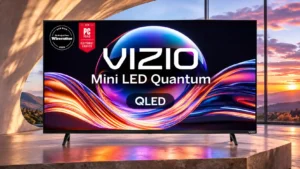
Slow pixel transitions and limited interpolation reduce clarity during sports and other fast action.
Pros: value for money, picture quality
Cons: account requirements, gaming performance
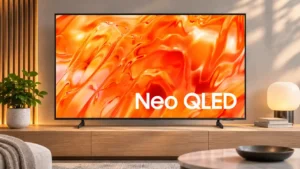
Movement quality draws mixed assessments, with controlled testing identifying substantial blur despite some acceptable broadcast results.
Pros: picture quality, overall satisfaction
Cons: sound quality, black levels

Motion evaluations are divided, ranging from smooth sporting action to distracting smear in rapid scenes.
Pros: peak brightness, blooming control
Cons: value for money, motion clarity
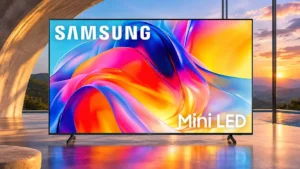
Motion is a contentious area: controlled assessments report substantial blur, while a few viewers find sports and games acceptable.
Pros: sound quality, picture quality
Cons: value for money, local dimming performance
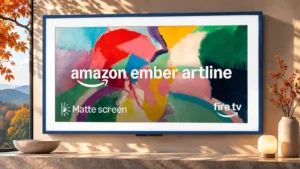
Fast movement often appears smeared or blurry, though one lab rated motion acceptable with some blur. It is not a strong action-first display.
Pros: art display mode, picture quality
Cons: contrast ratio, high-refresh-rate gaming
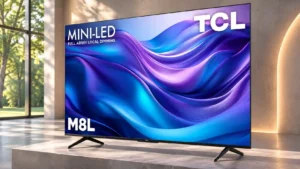
Fast action has visible blur trails, with shadowy details looking particularly smeared. This is a significant obstacle for motion-sensitive viewers.
Pros: value for money, overall satisfaction
Cons: HDR brightness
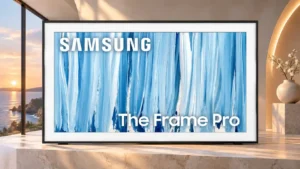
A weak point: response times are slow and fast action can look soft, even though some casual games appear smooth.
Pros: cable management, design and appearance
Cons: value for money, Dolby Vision support