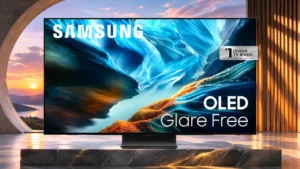
The 165Hz-capable panel, low lag and broad VRR support are powerful advantages for gaming computers.
Pros: black levels, contrast ratio
Cons: Dolby Vision support, stutter handling

The 165Hz-capable panel, low lag and broad VRR support are powerful advantages for gaming computers.
Pros: black levels, contrast ratio
Cons: Dolby Vision support, stutter handling
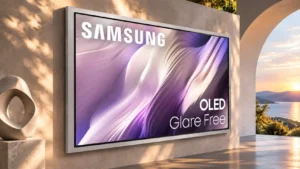
A gaming PC can exploit 4K at up to 165Hz with VRR, though close-up text clarity is not monitor-perfect.
Pros: picture quality, overall satisfaction
Cons: design and appearance, Dolby Vision support
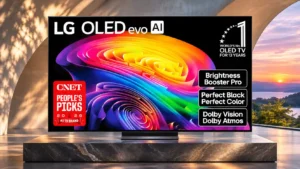
High refresh rates up to 165Hz, full-bandwidth inputs and VRR make this a powerful PC display, with some caveats for Windows text and 165Hz image stability.
Pros: gaming performance, HDR brightness
Cons: reflection handling, glare resistance
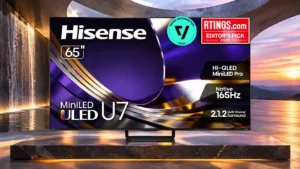
High 4K refresh and excellent latency suit gaming PCs, but demanding players should factor in pixel smearing and possible cable or GPU requirements.
Pros: overall satisfaction, glare resistance
Cons: motion handling, viewing angles
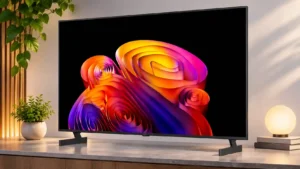
Four full-bandwidth HDMI 2.1 inputs let a high-end PC take advantage of quick 120Hz OLED gaming.
Pros: contrast ratio, black levels
Cons: reflection handling, color accuracy
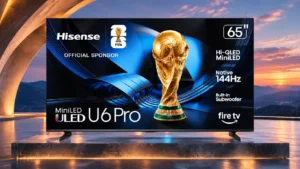
4K/144Hz support and couch-friendly big-screen play are appealing for RPGs, though fast monitors and OLEDs remain better for competitive response times.
Pros: overall satisfaction, value for money
Cons: Smart TV platform, advertising intrusiveness
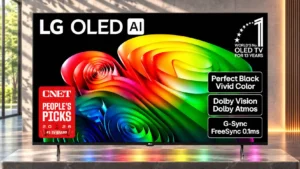
Responsive OLED motion and variable refresh are attractive on PC, with some reviews noting a 144Hz VRR option.
Pros: value for money, peak brightness
Cons: color accuracy, stand quality
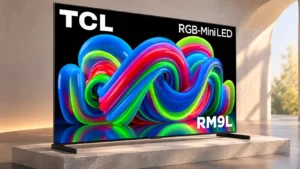
Four 144Hz-capable HDMI ports, responsive controls, and an exceptionally big screen make the RM9L well suited to gaming PCs. Motion is strong, though not blur-free.
Pros: picture quality, overall satisfaction
Cons: color crosstalk, value for money
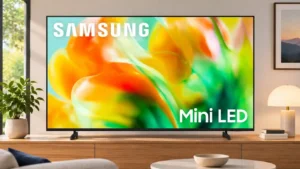
4K/144Hz, 1080p/240Hz, VRR and low latency create a flexible PC gaming display, but slow response times can blur fast action.
Pros: gaming performance, color accuracy
Cons: value for money, overall satisfaction
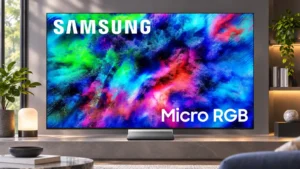
4K/165Hz, optional 1080p/240Hz and VRR are compelling on a large screen, though OLED remains sharper in some fast transitions.
Pros: color volume, overall satisfaction
Cons: value for money, color accuracy
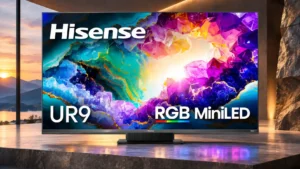
High refresh rates and USB-C DisplayPort are compelling for PC connections, but motion blur puts off demanding competitive players.
Pros: peak brightness, picture quality
Cons: value for money, color accuracy
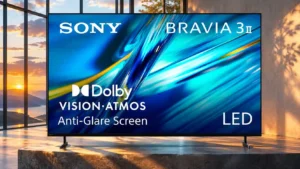
A 120Hz 4K input, VRR and clear RGB text make the screen viable for PC gaming. Competitive players wanting 144Hz-plus or cleaner 60Hz motion may prefer another display.
Pros: HDMI 2.1 port count, overall satisfaction
Cons: HDR performance, bass performance

Fast 4K/144Hz signals, VRR and low input lag are useful PC features. Motion blur and a nonstandard subpixel layout limit the experience.
Pros: art display mode, design and appearance
Cons: overall satisfaction, HDMI port accessibility
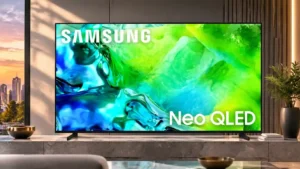
Four high-bandwidth inputs, VRR and clear 4:4:4 text are valuable PC features, but dark-motion blur holds it back from top-tier competitive performance.
Pros: picture quality, contrast ratio
Cons: blooming control, glare resistance
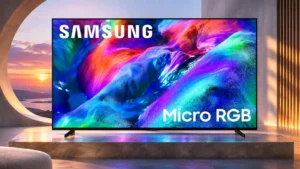
PC players get 4K/144Hz and VRR compatibility, but slower pixel changes can undermine the clarity expected of a fast gaming display.
Pros: overall satisfaction, color gamut
Cons: value for money, local dimming performance
A 4K 144Hz panel and low latency suit PC games, but motion smear and the subpixel arrangement temper its usefulness as a desktop monitor.
Pros: picture quality, black levels
Cons: bass performance, HDR brightness
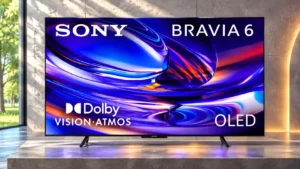
4K/120Hz operation, quick pixel response, and G-SYNC support suit PC games well. Older AMD GPU users may lack VRR, and the refresh ceiling trails some rivals.
Pros: HDMI 2.1 port count, Video input versatility
Cons: value for money, overall satisfaction
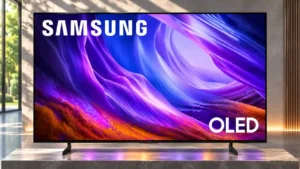
The S85H handles PC games with low input lag and clear text, although demanding players may prefer a 144Hz or 165Hz OLED.
Pros: black levels, picture quality
Cons: glare resistance, reflection handling
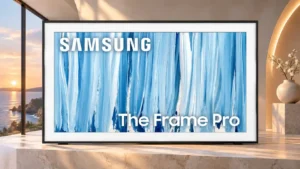
Games can look detailed and colorful, but high lag over the wireless box and slow transitions make it a conditional PC display.
Pros: cable management, design and appearance
Cons: value for money, Dolby Vision support
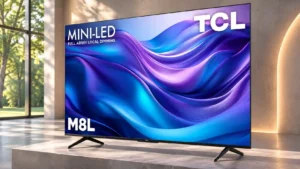
A wide selection of resolutions and rapid refresh options is useful for PC play, but fast-moving content suffers from substantial blur.
Pros: value for money, overall satisfaction
Cons: HDR brightness