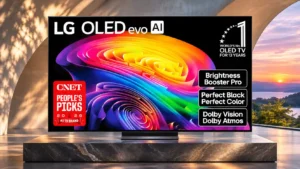
Exceptionally fast pixels, low lag, 165Hz capability and four HDMI 2.1 inputs make the C6H one of the strongest large-screen gaming choices.
Pros: gaming performance, HDR brightness
Cons: reflection handling, glare resistance

Exceptionally fast pixels, low lag, 165Hz capability and four HDMI 2.1 inputs make the C6H one of the strongest large-screen gaming choices.
Pros: gaming performance, HDR brightness
Cons: reflection handling, glare resistance
Very low latency, clean motion, and rich HDR make this one of the strongest gaming TVs available.
Pros: picture quality, overall satisfaction
Cons: design and appearance, Dolby Vision support
Fast Game Mode response and four high-bandwidth ports are major strengths. Lab testing nevertheless finds more blur at 60Hz than the smooth 120Hz experience suggests.
Pros: HDMI 2.1 port count, overall satisfaction
Cons: HDR performance, bass performance
Very low lag, fast pixels and broadly effective VRR make this an especially capable gaming TV.
Pros: black levels, contrast ratio
Cons: Dolby Vision support, stutter handling
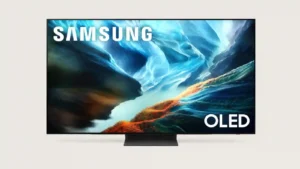
Gaming performance is a standout, combining 165Hz support, VRR, low lag and excellent OLED contrast across consoles and PCs.
Pros: glare resistance, black levels
Cons: Dolby Vision support, color gamut
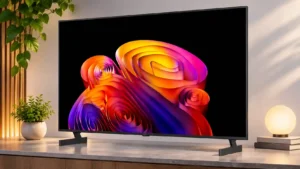
Quick response, extremely low input lag and refined 120Hz motion make this one of the strongest areas of the B6E.
Pros: contrast ratio, black levels
Cons: reflection handling, color accuracy
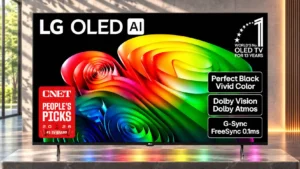
Smooth action, responsive controls and a comprehensive feature set make gaming a standout strength.
Pros: value for money, peak brightness
Cons: color accuracy, stand quality
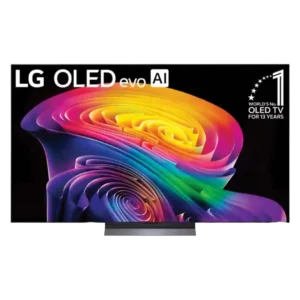
The C6 is one of the strongest gaming TVs available, combining superb picture quality, low latency, full-featured HDMI ports, and smooth VRR performance.
Pros: picture quality, gaming performance
Cons: value for money, sound quality
Fast inputs, nearly instantaneous response and flexible sync make this a standout entry-level gaming TV. Dolby Vision gaming is unavailable.
Pros: black levels, picture quality
Cons: glare resistance, reflection handling
Fast response, extremely low input lag, four full-bandwidth HDMI ports, and rich HDR make the G6 an elite gaming TV across consoles and PCs.
Pros: picture quality, peak brightness
Cons: value for money, sound quality
Gaming is an overall strength thanks to low lag, four capable HDMI inputs on larger sizes, and rich visuals. Fast-motion blur is the important counterpoint.
Pros: picture quality, contrast ratio
Cons: blooming control, glare resistance
Gaming is a consistent strength, combining smooth OLED motion, rich contrast, and very responsive controls. Competitive players seeking higher refresh rates or more tools may want a step-up model.
Pros: contrast ratio, value for money
Cons: peak brightness, HDR brightness
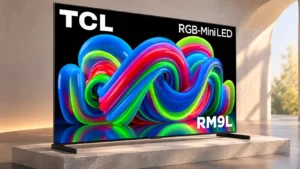
Games look brilliant, expansive, and responsive on this screen. Slight trailing and the occasional picture-mode quirk keep it short of flawless.
Pros: picture quality, overall satisfaction
Cons: color crosstalk, value for money
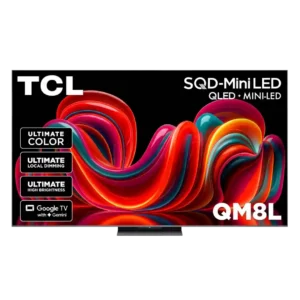
The QM8L offers vivid HDR, low lag, multiple full-bandwidth ports, and high refresh rates for an excellent mainstream gaming experience. Competitive players may be bothered by its slower motion response.
Pros: picture quality, value for money
Cons: stand quality, judder handling
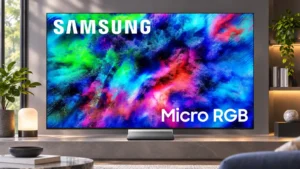
Four high-bandwidth HDMI ports, responsive controls and vibrant HDR make this a highly capable gaming TV. Some games need picture tweaks, and motion is not always OLED-sharp.
Pros: color volume, overall satisfaction
Cons: value for money, color accuracy
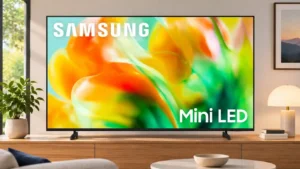
Extensive gaming features and excellent input lag are the standout strengths; actual moving-object clarity is much more contentious.
Pros: gaming performance, color accuracy
Cons: value for money, overall satisfaction
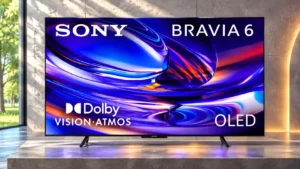
Instant-feeling control response and sharp OLED motion make games enjoyable. Support for several consoles is excellent, even if HDR punch is limited.
Pros: HDMI 2.1 port count, Video input versatility
Cons: value for money, overall satisfaction
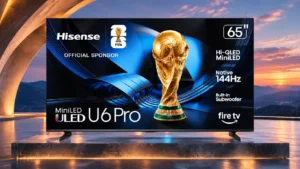
Strong input responsiveness and gaming-format support impress most testers, but substantial motion blur in measured tests limits the recommendation for fast-paced play.
Pros: overall satisfaction, value for money
Cons: Smart TV platform, advertising intrusiveness
Gaming features and responsiveness exceed typical budget-TV expectations, but reports of fast-motion blur vary widely. It is a better casual than uncompromising competitive display.
Pros: picture quality, black levels
Cons: bass performance, HDR brightness
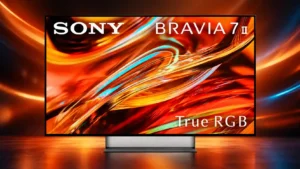
Gaming is fast, colorful and responsive for consoles, particularly PS5. Enthusiast PC gamers may be less satisfied by 120Hz, two HDMI 2.1 ports and slower pixel transitions.
Pros: overall satisfaction, picture quality
Cons: HDMI 2.1 port count, reflection handling
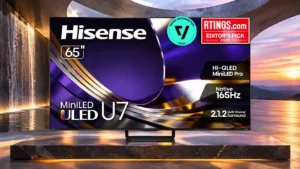
An impressive gaming feature list and very low lag coexist with middling motion sharpness for fast-moving objects.
Pros: overall satisfaction, glare resistance
Cons: motion handling, viewing angles
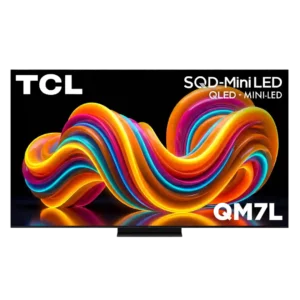
Feature support, low lag, and vivid HDR make gaming a major strength for many users. Slow pixel response can also produce enough blur and smearing to make fast games unpleasant.
Pros: peak brightness, picture quality
Cons: color accuracy, viewing angles

Excellent input response, VRR and fast input compatibility make the Frame an enjoyable mainstream gaming TV. Motion blur and dim HDR are the principal compromises.
Pros: art display mode, design and appearance
Cons: overall satisfaction, HDMI port accessibility
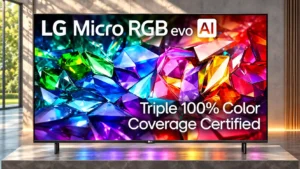
Responsive controls and vibrant HDR scenes make games engaging, but one laboratory assessment found heavy motion blur and a laptop test exposed VRR trouble.
Pros: peak brightness, picture quality
Cons: value for money, viewing angles
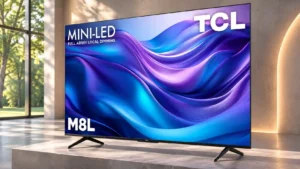
Very low input delay, high refresh rates and modern console support are major strengths. Slow pixel response and motion trails keep gaming quality from matching the impressive specifications.
Pros: value for money, overall satisfaction
Cons: HDR brightness
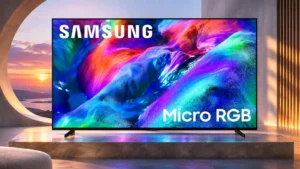
The R85H excels in HDMI compatibility and low input lag, but reactions diverge on ghosting and fast-action clarity.
Pros: overall satisfaction, color gamut
Cons: value for money, local dimming performance
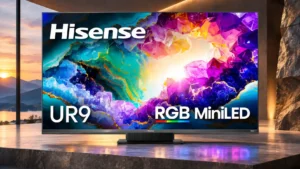
Low input lag and extensive gaming features earn praise, while slow pixel transitions and alternative OLED sets prompt notable criticism.
Pros: peak brightness, picture quality
Cons: value for money, color accuracy
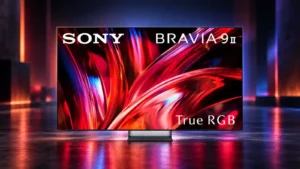
Gaming performance is mixed. Console play can look excellent with low lag and strong HDR, but limited HDMI 2.1 connectivity and weaker high-refresh motion keep it from class-leading status.
Pros: overall satisfaction, overall image accuracy
Cons: value for money, bass performance
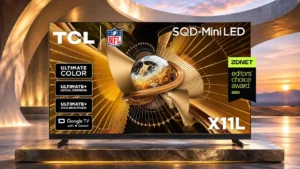
Gaming is more contentious than movie viewing: low input lag and vivid HDR help, but slow pixel response can spoil fast competitive play.
Pros: peak brightness, blooming control
Cons: value for money, motion clarity
Game controls feel responsive and casual play can be satisfying, yet severe motion smearing is a major disadvantage in fast games.
Pros: picture quality, color accuracy
Cons: HDR performance, sound quality
Casual 60fps sessions can feel responsive, but pronounced motion blur can spoil faster gameplay.
Pros: picture quality, color accuracy
Cons: remote control quality, black levels
Input delay is pleasingly low, but fast games still look soft and the 4K/60Hz restriction limits high-end consoles.
Pros: value for money, picture quality
Cons: account requirements, gaming performance
Games can be vivid and enjoyable, but slow pixel transitions and latency make responsiveness inconsistent, particularly for fast action.
Pros: cable management, design and appearance
Cons: value for money, Dolby Vision support
Casual gaming is generally fine, with good color and low lag in positive tests, but 60Hz severely limits competitive and next-gen performance. Reviewers repeatedly steer serious gamers toward higher-refresh rivals.
Pros: picture quality, overall satisfaction
Cons: value for money, reliability
Games respond quickly, but motion blur and the native 60Hz cap make the experience less impressive for serious players.
Pros: sound quality, picture quality
Cons: value for money, local dimming performance
Games can feel responsive in casual play, but blurry motion, a 60Hz cap, and occasional tearing make demanding gaming less satisfying.
Pros: design and appearance, maximum volume
Cons: picture quality, value for money
Owners enjoy colorful, sharp console gaming, but formal motion testing and missing premium features make this a weak high-end gaming television.
Pros: picture quality, overall satisfaction
Cons: sound quality, black levels
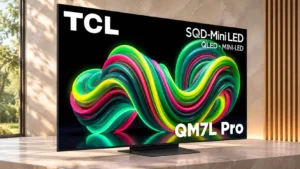
Control response is a standout, yet fast-moving objects leave blur and soft trails. This is a responsive gaming TV rather than a particularly sharp one in motion.
Pros: picture quality, black levels
Cons: viewing angles, motion clarity
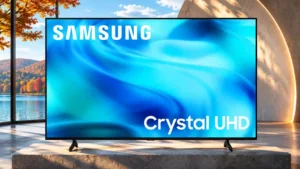
ALLM, VRR and selected 1080p/120Hz modes help, but poor response time, lag and limited bandwidth keep gaming basic.
Pros: white balance accuracy, design and appearance
Cons: overall satisfaction, value for money
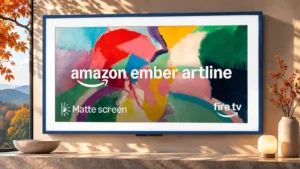
Casual and slower games are playable, but input lag, poor motion clarity and unreliable VRR make serious gaming disappointing.
Pros: art display mode, picture quality
Cons: contrast ratio, high-refresh-rate gaming