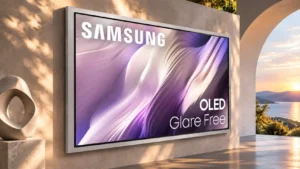
The QD-OLED sizes cover an unusually wide range of colors, with particularly strong performance in vibrant HDR material.
Pros: picture quality, overall satisfaction
Cons: design and appearance, Dolby Vision support

The QD-OLED sizes cover an unusually wide range of colors, with particularly strong performance in vibrant HDR material.
Pros: picture quality, overall satisfaction
Cons: design and appearance, Dolby Vision support
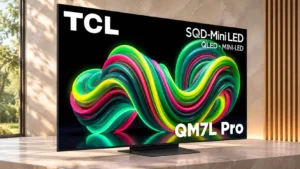
The in-store picture looks notably vibrant and colorful, an immediate part of its visual appeal.
Pros: picture quality, black levels
Cons: viewing angles, motion clarity
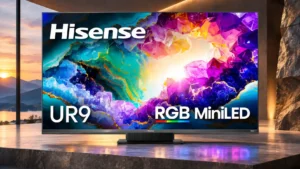
The RGB backlight delivers exceptionally wide color coverage, including colors beyond conventional P3 material. Much everyday content cannot exploit its full range.
Pros: peak brightness, picture quality
Cons: value for money, color accuracy
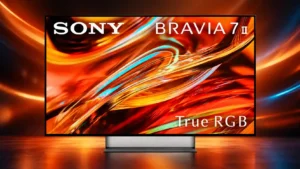
The TV reaches an unusually wide gamut for an LCD and keeps saturated colors strong in HDR. Its measured coverage is repeatedly competitive with premium OLED and RGB rivals.
Pros: overall satisfaction, picture quality
Cons: HDMI 2.1 port count, reflection handling
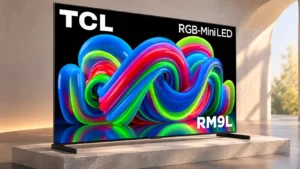
The RGB backlight covers an exceptionally broad range of color, producing vivid reds, greens, and fine variations that standard televisions struggle to match.
Pros: picture quality, overall satisfaction
Cons: color crosstalk, value for money
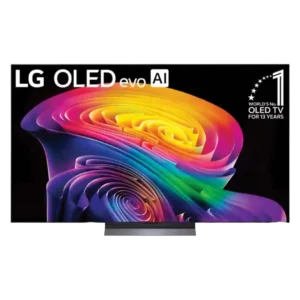
DCI-P3 coverage is essentially complete, and tandem-panel versions expand wider-gamut performance further. HDR colors look rich and varied without usually appearing overdone.
Pros: picture quality, gaming performance
Cons: value for money, sound quality
The panel covers virtually all DCI-P3 and a strong portion of Rec.2020, producing broad HDR color. A few comparisons found slightly less high-brightness coverage than rival QD-OLEDs.
Pros: picture quality, peak brightness
Cons: value for money, sound quality
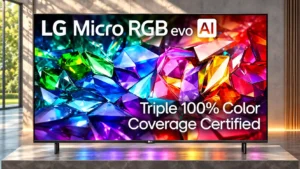
Vibrant reds, greens, blues and subtle tonal variation can be dazzling, but SDR tests and competing RGB sets reveal room for improvement.
Pros: peak brightness, picture quality
Cons: value for money, viewing angles
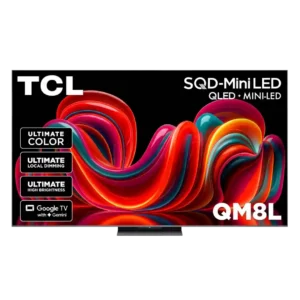
Wide-gamut coverage approaches premium RGB LED and OLED competitors, with especially strong P3 performance. Claims of complete BT.2020 coverage were not consistently matched in measurements.
Pros: picture quality, value for money
Cons: stand quality, judder handling
The True RGB backlight delivers an exceptionally wide color gamut, with BT.2020 coverage and saturated HDR colors among the TV’s standout strengths.
Pros: overall satisfaction, overall image accuracy
Cons: value for money, bass performance
Micro RGB's broad color range is the most consistently admired innovation, especially in vivid reds, greens and blues.
Pros: overall satisfaction, color gamut
Cons: value for money, local dimming performance
The panel covers most of DCI-P3 with vivid results, but it cannot reproduce every shade of the wider BT.2020 gamut.
Pros: overall satisfaction, glare resistance
Cons: motion handling, viewing angles
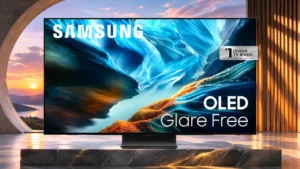
Wide color-space coverage helps the panel retain saturation, including vibrant reds and greens.
Pros: black levels, contrast ratio
Cons: Dolby Vision support, stutter handling
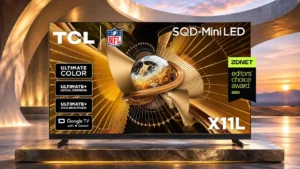
The wide BT.2020 color coverage is unusually strong for an LCD, producing richly saturated reds and greens. Not every test reaches TCL’s full-coverage claim, and much current content uses a...
Pros: peak brightness, blooming control
Cons: value for money, motion clarity
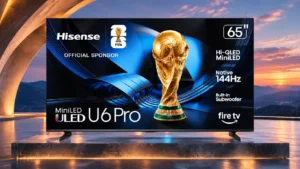
Wide DCI-P3 coverage gives games and HDR videos lively colors, though the very widest BT.2020 shades remain out of reach.
Pros: overall satisfaction, value for money
Cons: Smart TV platform, advertising intrusiveness
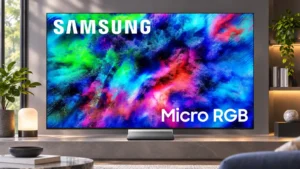
The R95H reaches an unusually wide color gamut, with especially impressive reds, greens and other saturated hues. That measurement advantage is more obvious in certain scenes than in everyday mixed-color...
Pros: color volume, overall satisfaction
Cons: value for money, color accuracy
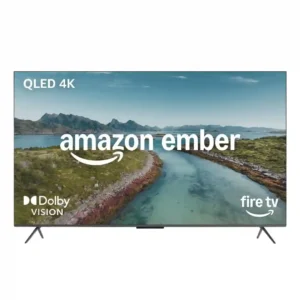
Color coverage is generally a strength for standard content, with vibrant QLED color repeatedly praised. Some measured wide-gamut results still come in slightly below enthusiast targets.
Pros: picture quality, overall satisfaction
Cons: value for money, reliability
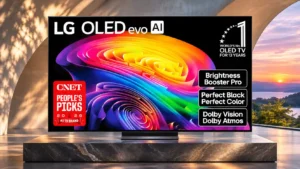
P3 coverage is excellent and BT.2020 reach is strong for WOLED. Some QD-OLED competitors still show a wider range of vivid saturated color.
Pros: gaming performance, HDR brightness
Cons: reflection handling, glare resistance
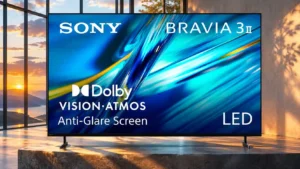
The DCI-P3 and SDR coverage are impressive for a direct-lit set, giving images pleasing variety. More demanding BT.2020 colors, especially rich blues and greens, are less complete.
Pros: HDMI 2.1 port count, overall satisfaction
Cons: HDR performance, bass performance
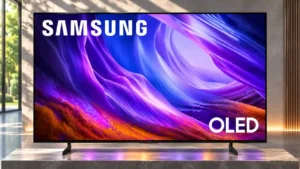
Everyday movies show rich, saturated color, with strong DCI-P3 coverage. Extreme Rec.2020 reds and greens are not as intense as on premium OLEDs.
Pros: black levels, picture quality
Cons: glare resistance, reflection handling
Color is one of the more liked traits, especially compared with very basic Samsung models, but demanding HDR shades are not fully reproduced.
Pros: sound quality, picture quality
Cons: value for money, local dimming performance
Measured BT.2020 results ranged from about 79% to nearly 98%, which most considered excellent for the class. One critic strongly objected to the gap between measured coverage and TCL's 100%...
Pros: peak brightness, picture quality
Cons: color accuracy, viewing angles
Mainstream HDR colors are handled well, although the wider BT.2020 range is limited compared with premium RGB Mini LED rivals.
Pros: picture quality, contrast ratio
Cons: blooming control, glare resistance
The QLED panel reproduces a broad, lively range of colors, giving paintings, animation and everyday video appealing saturation.
Pros: art display mode, picture quality
Cons: contrast ratio, high-refresh-rate gaming
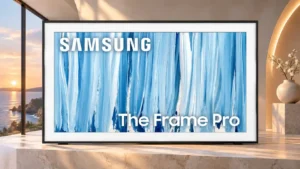
Strong coverage of the main HDR color gamut is offset by a limited range of the deepest reds and greens.
Pros: cable management, design and appearance
Cons: value for money, Dolby Vision support
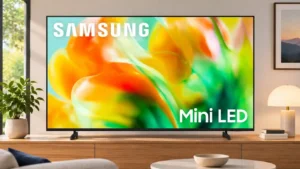
The set reproduces a useful range of colors and looks richer than cheaper Samsungs, but misses some red and green shades in demanding HDR material.
Pros: gaming performance, color accuracy
Cons: value for money, overall satisfaction
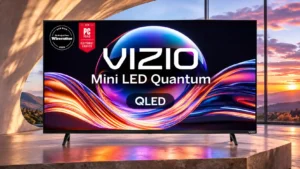
Quantum dots provide good coverage of common HDR colors, although saturated reds and the widest color standards remain challenging.
Pros: value for money, picture quality
Cons: account requirements, gaming performance
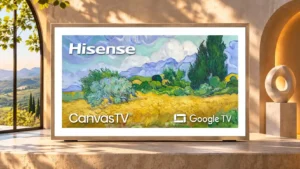
DCI-P3 coverage is good and everyday HDR colors are colorful, though this is not a reference-grade wide-color display.
Pros: picture quality, color accuracy
Cons: HDR performance, sound quality
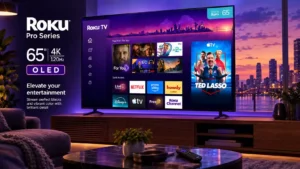
Color coverage is ample for much current content but narrower than brighter, more expensive OLEDs and some mini-LED rivals.
Pros: contrast ratio, value for money
Cons: peak brightness, HDR brightness
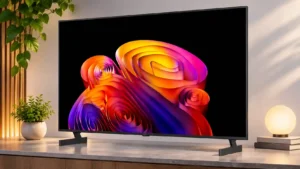
The B6E handles mainstream HDR color well but covers less of the widest color spaces than some alternatives and even its predecessor.
Pros: contrast ratio, black levels
Cons: reflection handling, color accuracy
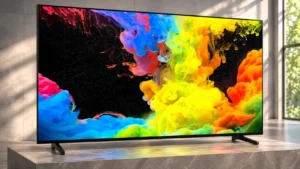
DCI-P3 content is handled reasonably well, but some reds and greens remain undersaturated.
Pros: picture quality, black levels
Cons: bass performance, HDR brightness
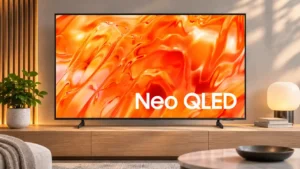
Mainstream DCI-P3 coverage is reasonable, but wider color reproduction and pale tones are weaker.
Pros: picture quality, overall satisfaction
Cons: sound quality, black levels
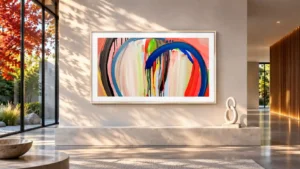
DCI-P3 coverage is useful, but wider BT.2020 colors are limited; some demanding HDR hues are beyond its range.
Pros: art display mode, design and appearance
Cons: overall satisfaction, HDMI port accessibility
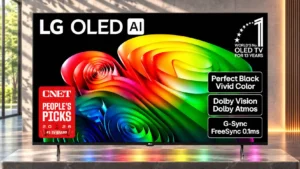
Color coverage remains respectable, yet one test measured less coverage than the older B5 and the C6 offers a wider gamut.
Pros: value for money, peak brightness
Cons: color accuracy, stand quality
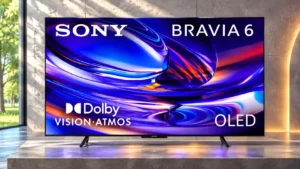
Most DCI-P3 content is handled competently, but the TV struggles with the wider BT.2020 gamut. Fully saturated red and green tones are harder to reproduce.
Pros: HDMI 2.1 port count, Video input versatility
Cons: value for money, overall satisfaction
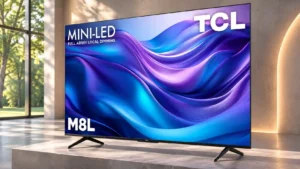
Limited wide-color coverage leaves some saturated reds and greens weak, with outdoor greenery looking noticeably dull.
Pros: value for money, overall satisfaction
Cons: HDR brightness
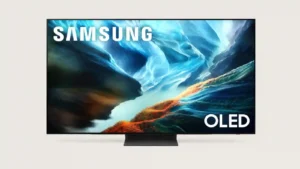
The S90H covers mainstream DCI-P3 material very well, but WOLED samples show narrower BT.2020 coverage and less extreme color punch than QD-OLED alternatives.
Pros: glare resistance, black levels
Cons: Dolby Vision support, color gamut
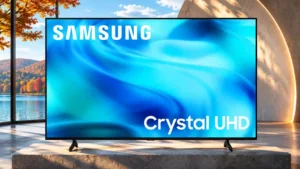
Even common SDR colors are not fully reproduced, leaving richer material under-saturated.
Pros: white balance accuracy, design and appearance
Cons: overall satisfaction, value for money
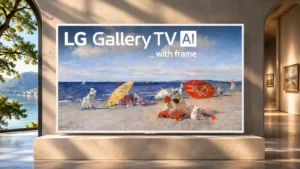
The screen cannot reproduce the full spread of saturated red and green in wider color spaces, leaving premium HDR content less colorful than intended.
Pros: design and appearance, maximum volume
Cons: picture quality, value for money
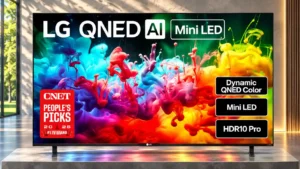
HDR color coverage does not reach the full range of modern HDR formats, so some vibrant tones cannot be reproduced.
Pros: picture quality, color accuracy
Cons: remote control quality, black levels