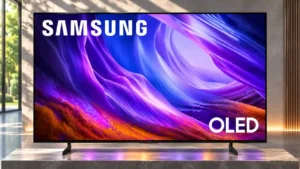
Black areas look genuinely inky, with individual OLED pixels switching fully off. This is one of the TV’s clearest advantages over comparable LCD displays.
Pros: black levels, picture quality
Cons: glare resistance, reflection handling

Black areas look genuinely inky, with individual OLED pixels switching fully off. This is one of the TV’s clearest advantages over comparable LCD displays.
Pros: black levels, picture quality
Cons: glare resistance, reflection handling
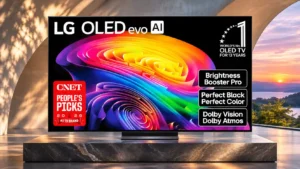
Self-lit pixels create impressively deep blacks and striking depth, making movies and games look dramatic without the washed-out grays of many LCDs.
Pros: gaming performance, HDR brightness
Cons: reflection handling, glare resistance
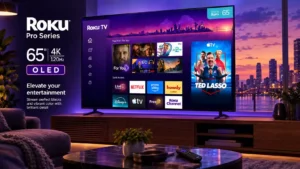
Deep, inky blacks are the defining strength, giving nighttime scenes a richness that bright LCD alternatives struggle to match.
Pros: contrast ratio, value for money
Cons: peak brightness, HDR brightness

Blacks are consistently deep, rich, and precise, even with room lights on. A few tests found mild black crush in the darkest HDR scenes.
Pros: picture quality, peak brightness
Cons: value for money, sound quality
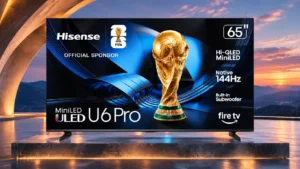
Mini-LED dimming produces impressively deep blacks in many scenes, especially with local dimming set high; OLED still has the edge in absolute darkness.
Pros: overall satisfaction, value for money
Cons: Smart TV platform, advertising intrusiveness
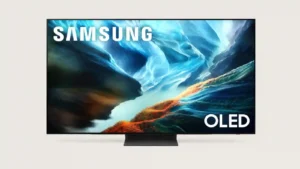
Black levels are excellent in dark rooms and create the depth expected from OLED. Strong ambient light can lift blacks slightly because of the matte anti-glare treatment.
Pros: glare resistance, black levels
Cons: Dolby Vision support, color gamut
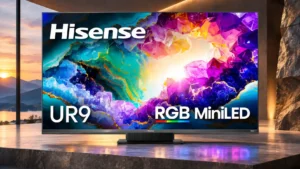
Local dimming produces impressively deep blacks and dramatic contrast. OLED still has the edge for the darkest and most demanding scenes.
Pros: peak brightness, picture quality
Cons: value for money, color accuracy
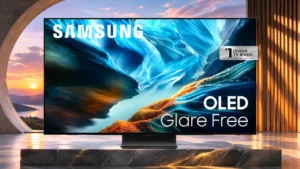
OLED's self-lit pixels produce genuinely inky blacks that give dark scenes impressive depth.
Pros: black levels, contrast ratio
Cons: Dolby Vision support, stutter handling
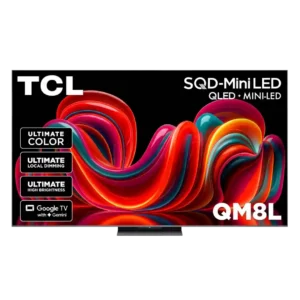
Black levels are unusually deep for an LCD TV, often approaching OLED-like darkness in normal scenes. Dark backgrounds stay convincing while preserving bright highlights.
Pros: picture quality, value for money
Cons: stand quality, judder handling
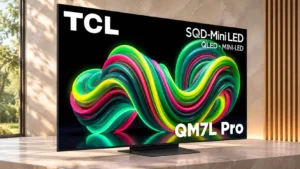
Deep blacks give dark scenes convincing weight and remain surprisingly stable under ambient light. That makes contrast a particular strength for centered viewers.
Pros: picture quality, black levels
Cons: viewing angles, motion clarity
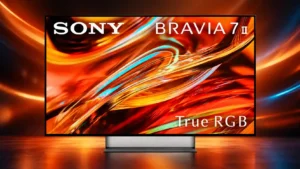
Head-on black levels are often described as deep, inky and unusually OLED-like for an LCD. OLED still retains the edge in the hardest dark scenes, and a few tests noted...
Pros: overall satisfaction, picture quality
Cons: HDMI 2.1 port count, reflection handling
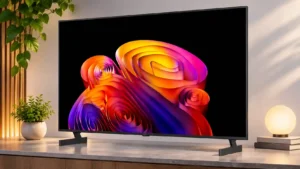
Perfect, inky OLED blacks are a standout strength across dark scenes, helping highlights and shadows feel sharply separated.
Pros: contrast ratio, black levels
Cons: reflection handling, color accuracy
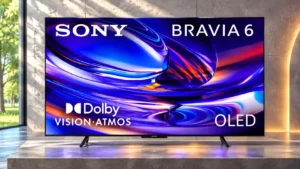
Individual OLED pixels switch fully off for truly deep blacks. Dark-room contrast is excellent and a consistent strength.
Pros: HDMI 2.1 port count, Video input versatility
Cons: value for money, overall satisfaction
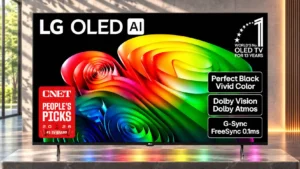
The B6 usually delivers the deep black levels expected from OLED. One detailed test, however, found greyish raised blacks in particular dark scenes.
Pros: value for money, peak brightness
Cons: color accuracy, stand quality
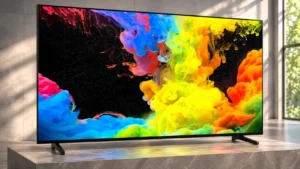
The Mini-LED backlight produces satisfyingly deep blacks, particularly for a budget LCD. The darkest scenes still expose the limits of large dimming zones.
Pros: picture quality, black levels
Cons: bass performance, HDR brightness
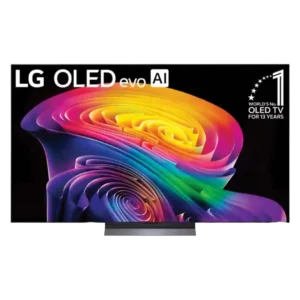
OLED blacks are generally deep and inky, but a few samples showed raised blacks or crushed near-black detail before adjustment. Small setting changes usually restore the expected depth.
Pros: picture quality, gaming performance
Cons: value for money, sound quality
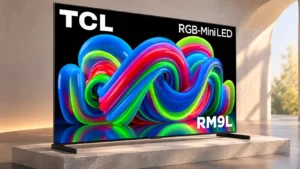
Deep blacks remain convincing beside small bright objects, often approaching OLED-like depth. Extreme peak-brightness settings can lift black levels.
Pros: picture quality, overall satisfaction
Cons: color crosstalk, value for money

Blacks are deep and convincing head-on, though OLED still has an edge in the hardest near-black scenes and off-axis viewing.
Pros: peak brightness, blooming control
Cons: value for money, motion clarity
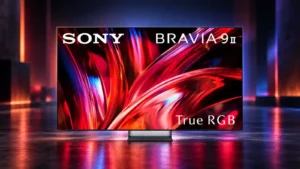
Black levels are unusually deep for an LCD and can look impressively OLED-like head-on. OLED still has the edge in the darkest rooms, and some modes or angles expose the...
Pros: overall satisfaction, overall image accuracy
Cons: value for money, bass performance
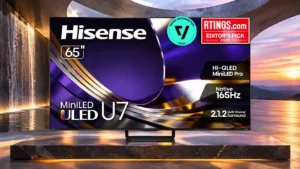
The Mini-LED backlight usually produces deep blacks, but some dark-room comparisons reveal raised shadows and residual halos.
Pros: overall satisfaction, glare resistance
Cons: motion handling, viewing angles
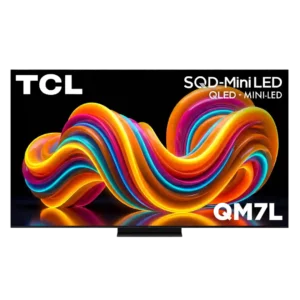
Most experiences describe deep blacks and dark letterbox bars with OLED-like impact for an LED TV. Others saw weaker micro-contrast or severe leakage in difficult scenes.
Pros: peak brightness, picture quality
Cons: color accuracy, viewing angles
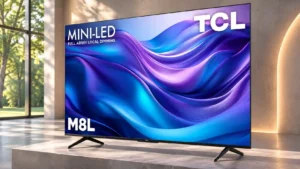
Simple dark scenes have fairly deep blacks, a strength for this price class. Fine highlights can create halos, and the set cannot deliver perfect OLED-style blacks.
Pros: value for money, overall satisfaction
Cons: HDR brightness
Deep, largely uniform blacks and careful backlight control impress for an LCD TV, though the R95H cannot match OLED pixel-level darkness or precision.
Pros: color volume, overall satisfaction
Cons: value for money, color accuracy
Blacks look beautifully deep in darkness, but ambient light can raise the black floor and give shadowy images a gray or magenta cast.
Pros: picture quality, overall satisfaction
Cons: design and appearance, Dolby Vision support
Contrast is strong by LCD standards, but zone-based dimming can elevate blacks or erase small dark details; OLED remains cleaner.
Pros: overall satisfaction, color gamut
Cons: value for money, local dimming performance
Black levels vary by test and setup. Some reviewers and owners praise deep-looking blacks, while others see raised gray blacks or crushed dark detail, especially in demanding movie scenes.
Pros: picture quality, overall satisfaction
Cons: value for money, reliability
Dark scenes generally have deep, convincing blacks for an LCD, although the result varies by content and does not match OLED precision.
Pros: peak brightness, picture quality
Cons: value for money, viewing angles
Black depth is divisive: some viewing impressions are impressed, but measured contrast and dark-scene blacks are disappointing.
Pros: cable management, design and appearance
Cons: value for money, Dolby Vision support
Black depth is a mixed point: local dimming helps produce dark, even scenes, but some dark films reveal grayish or purplish blacks.
Pros: picture quality, contrast ratio
Cons: blooming control, glare resistance
Opinions diverge sharply: some owners like the black depth in a dark room, while controlled testing finds raised, gray-looking blacks.
Pros: sound quality, picture quality
Cons: value for money, local dimming performance
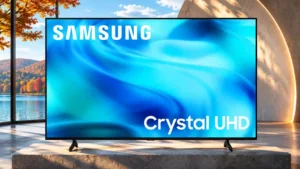
Some comparisons find better-looking blacks than rival budget sets, but controlled testing shows elevated blacks and washed-out dark scenes.
Pros: white balance accuracy, design and appearance
Cons: overall satisfaction, value for money
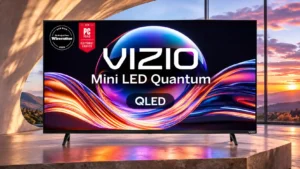
One hands-on impression found pleasing blacks in a lit room, but controlled tests revealed raised blacks and muddy dark detail.
Pros: value for money, picture quality
Cons: account requirements, gaming performance

The black level can look deep at first glance, but dark scenes frequently appear gray and washed out. This is a weakness for atmospheric films and games.
Pros: design and appearance, maximum volume
Cons: picture quality, value for money
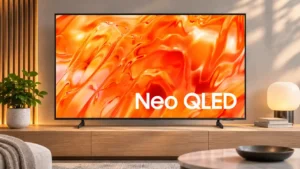
Measured black depth is weak and corner light bleed can be visible; owners may still perceive dark game scenes as impressive.
Pros: picture quality, overall satisfaction
Cons: sound quality, black levels

Blacks often appear gray or navy instead of deep black, especially in a dark room. That weakness is less distracting in everyday lighting.
Pros: picture quality, color accuracy
Cons: HDR performance, sound quality
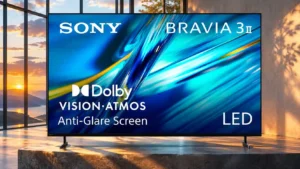
The 65-inch IPS set struggles to deliver convincing blacks in dark rooms, where shadowy scenes can appear gray. Some other sizes or reviewers report better results, but panel differences make...
Pros: HDMI 2.1 port count, overall satisfaction
Cons: HDR performance, bass performance
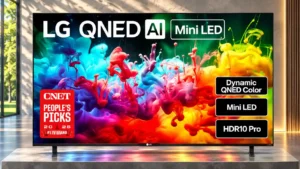
Dark scenes often appear gray or hazy rather than genuinely black, although some viewers perceive deeper blacks in brighter images.
Pros: picture quality, color accuracy
Cons: remote control quality, black levels
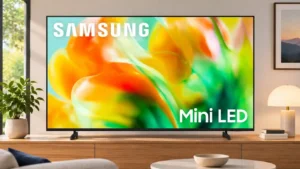
Native contrast can be decent, but without local dimming, dark-room blacks often look gray or clouded rather than truly deep.
Pros: gaming performance, color accuracy
Cons: value for money, overall satisfaction

Dark areas are not particularly deep, with noticeable gray blacks and occasional loss of shadow definition. The limitations stand out most in movies and nighttime viewing.
Pros: art display mode, picture quality
Cons: contrast ratio, high-refresh-rate gaming

Blacks often look gray, especially with dark film scenes. The absence of local dimming limits the sense of depth.
Pros: art display mode, design and appearance
Cons: overall satisfaction, HDMI port accessibility