The screen reaches extraordinary brightness that makes high-impact HDR and daytime viewing especially impressive.
Pros: peak brightness, picture quality
Cons: value for money, viewing angles

The screen reaches extraordinary brightness that makes high-impact HDR and daytime viewing especially impressive.
Pros: peak brightness, picture quality
Cons: value for money, viewing angles
Peak luminance is exceptionally high for OLED, making small highlights pop and giving bright content unusual impact. Measurements vary significantly by picture mode and window size.
Pros: picture quality, overall satisfaction
Cons: design and appearance, Dolby Vision support
Exceptionally high peak and full-screen brightness is its standout strength, although some default settings push whites too far.
Pros: peak brightness, picture quality
Cons: value for money, color accuracy

Enormous peak luminance is one of the TV's defining advantages, making bright highlights and daytime scenes exceptionally punchy.
Pros: picture quality, overall satisfaction
Cons: color crosstalk, value for money
The tandem panel gives the C6H unusually bright highlights for a C-series OLED, often approaching the output of more expensive flagship sets.
Pros: gaming performance, HDR brightness
Cons: reflection handling, glare resistance

The G6 reaches exceptional OLED peaks, often around 2500–3100 nits and higher in tiny highlights. Measurements vary by mode and firmware, but brightness is a major strength.
Pros: picture quality, peak brightness
Cons: value for money, sound quality
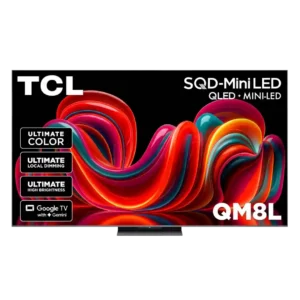
Extreme brightness is the QM8L’s defining strength, with measured peaks among the highest in its class. Highlights pop intensely and the screen remains commanding in bright rooms.
Pros: picture quality, value for money
Cons: stand quality, judder handling
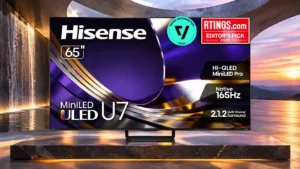
The panel delivers exceptional peak brightness for the price, keeping HDR highlights vivid and maintaining visibility in daylight.
Pros: overall satisfaction, glare resistance
Cons: motion handling, viewing angles
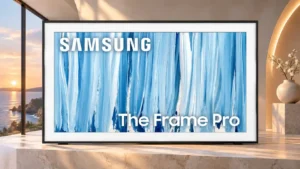
Strong daytime brightness sets it ahead of many art-TV rivals, although peak HDR highlights still have limits.
Pros: cable management, design and appearance
Cons: value for money, Dolby Vision support

The TV gets impressively bright for its price and suits normal sunny rooms; higher-end rivals still win absolute peak-output contests.
Pros: overall satisfaction, value for money
Cons: Smart TV platform, advertising intrusiveness
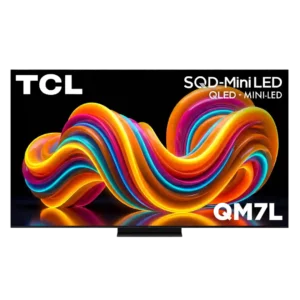
Brightness is a defining strength, with measured peaks around 2,400 to 3,300 nits and plenty of output for bright rooms. The highest peaks may be brief rather than consistently sustained.
Pros: peak brightness, picture quality
Cons: color accuracy, viewing angles
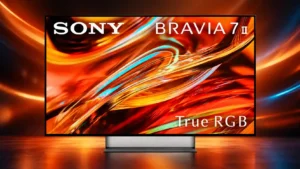
Peak output is strong enough for impactful HDR and bright-room use, though measured results vary substantially by mode and some competing RGB sets are brighter.
Pros: overall satisfaction, picture quality
Cons: HDMI 2.1 port count, reflection handling
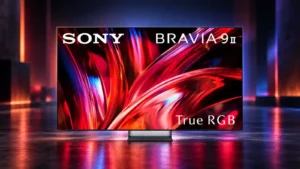
Peak brightness is a flagship-level strength, giving HDR highlights and bright-room viewing exceptional headroom.
Pros: overall satisfaction, overall image accuracy
Cons: value for money, bass performance

Peak brightness is spectacular, creating dazzling highlights and a picture that stays punchy in daylight. Maximum output depends heavily on the picture preset and content.
Pros: peak brightness, blooming control
Cons: value for money, motion clarity
Brightness is unusually strong for a midrange OLED, with HDR highlights that can exceed 1,400 nits on standard models and go beyond 2,000 nits on tandem-panel versions. It still cannot...
Pros: picture quality, gaming performance
Cons: value for money, sound quality
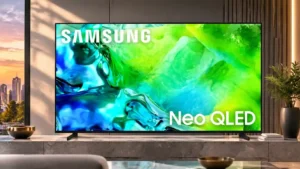
The screen is bright enough for most living rooms, though demanding HDR highlights are less striking than on brighter flagship and rival sets.
Pros: picture quality, contrast ratio
Cons: blooming control, glare resistance
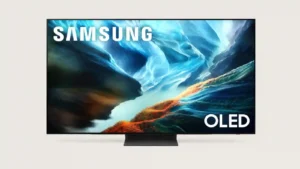
Peak brightness is strong for a midrange OLED and gives HDR highlights real impact, though results vary by size and it remains below Samsung’s flagship models.
Pros: glare resistance, black levels
Cons: Dolby Vision support, color gamut
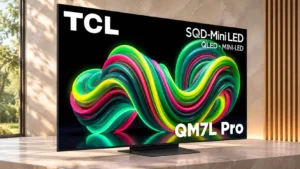
HDR highlights can be exceptionally bright. A short-lived Boost burst should not be mistaken for the same sustained brightness or a clear advantage over the QM7L and QM8L.
Pros: picture quality, black levels
Cons: viewing angles, motion clarity
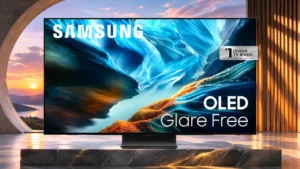
Peak light output is strong, particularly for small highlights, but the C6H and premium G6/S95H alternatives can surpass it.
Pros: black levels, contrast ratio
Cons: Dolby Vision support, stutter handling
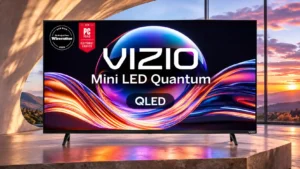
Its output is strong for an inexpensive mini-LED TV, but modest when measured against more capable HDR sets.
Pros: value for money, picture quality
Cons: account requirements, gaming performance
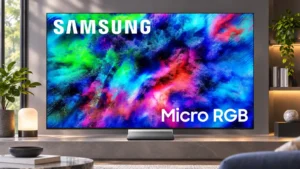
The R95H can produce extremely bright highlights and powerful daytime images. Some rival RGB TVs and flagship OLEDs reach higher peak readings, especially in accuracy-focused presets.
Pros: color volume, overall satisfaction
Cons: value for money, color accuracy
SDR is bright enough for many daytime rooms, but overall brightness has limits near the edges and in very bright HDR scenes.
Pros: picture quality, black levels
Cons: bass performance, HDR brightness
The B6E is noticeably brighter than some older budget OLEDs, yet substantially dimmer than the C6 and G6 and not equipped for very bright rooms.
Pros: contrast ratio, black levels
Cons: reflection handling, color accuracy
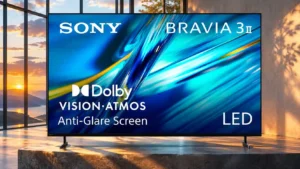
SDR output handles ordinary room lighting adequately and improves on the earlier generation. It is not powerful enough to compete with brighter Mini LED sets.
Pros: HDMI 2.1 port count, overall satisfaction
Cons: HDR performance, bass performance
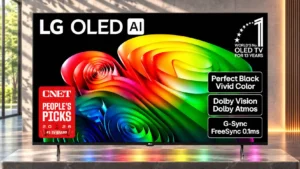
Peak highlights are brighter than on the B5, giving HDR more punch. The C6 and other newer alternatives can still be substantially brighter.
Pros: value for money, peak brightness
Cons: color accuracy, stand quality
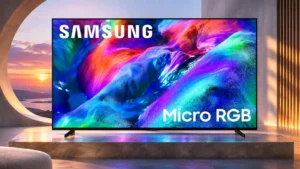
Daytime output is adequate to strong, but HDR peak brightness disappoints several testers compared with similarly priced LCDs.
Pros: overall satisfaction, color gamut
Cons: value for money, local dimming performance
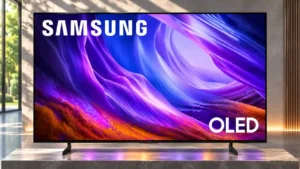
Brightness is respectable for a basic OLED, especially in smaller bright areas. It struggles to maintain punch when much of the picture is bright.
Pros: black levels, picture quality
Cons: glare resistance, reflection handling

SDR brightness is good and most everyday scenes have enough light output, but the TV lacks premium HDR sparkle and trails some competing gallery models.
Pros: picture quality, color accuracy
Cons: HDR performance, sound quality
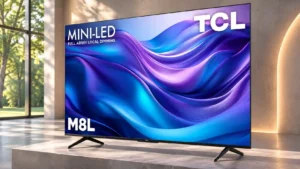
The picture can appear punchy in casual viewing, but SDR output struggles with direct sunlight and bright surroundings.
Pros: value for money, overall satisfaction
Cons: HDR brightness
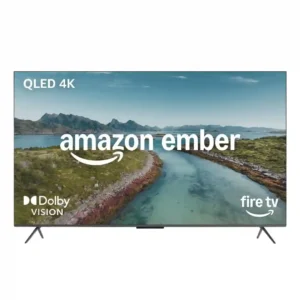
Brightness is mixed: some reviewers call it improved or impressive for the class, while others measure it well below stronger Mini-LED competitors. It is generally enough for everyday viewing, not...
Pros: picture quality, overall satisfaction
Cons: value for money, reliability

Maximum HDR brightness is adequate for many scenes but does not make small specular highlights stand out.
Pros: art display mode, picture quality
Cons: contrast ratio, high-refresh-rate gaming
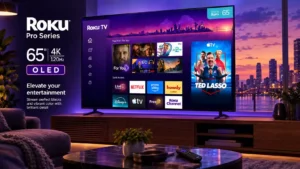
Low peak brightness is the most repeated performance limitation. Some consider it sufficient for ordinary homes, but it trails brighter OLEDs and mini-LED sets.
Pros: contrast ratio, value for money
Cons: peak brightness, HDR brightness
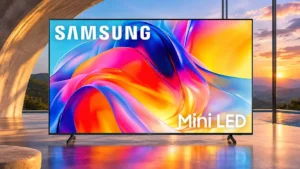
Lab measurements and several evaluations find brightness insufficient for glare and HDR, although one owner finds the screen strikingly bright.
Pros: sound quality, picture quality
Cons: value for money, local dimming performance
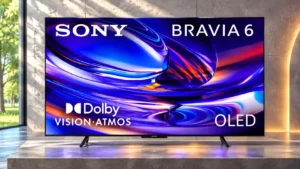
Both HDR highlights and large bright SDR scenes are relatively dim. Brighter rival OLEDs make much more impact in daytime light and HDR showcases.
Pros: HDMI 2.1 port count, Video input versatility
Cons: value for money, overall satisfaction
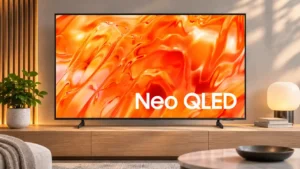
The panel can serve moderate SDR lighting, but it lacks the peak output required for punchy HDR and bright-room use.
Pros: picture quality, overall satisfaction
Cons: sound quality, black levels

Brightness is reasonable for everyday SDR but disappointing for HDR highlights, particularly next to brighter alternatives.
Pros: art display mode, design and appearance
Cons: overall satisfaction, HDMI port accessibility
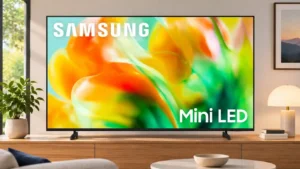
Light output is a recurring weak point, although viewers who prefer a gentler image may find it tolerable.
Pros: gaming performance, color accuracy
Cons: value for money, overall satisfaction
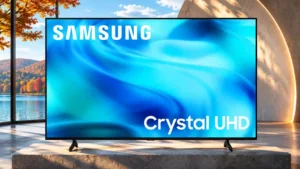
Both HDR and SDR output are too dim for standout highlights or strong glare resistance.
Pros: white balance accuracy, design and appearance
Cons: overall satisfaction, value for money
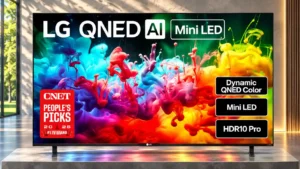
Neither SDR nor HDR gets particularly bright, limiting its ability to overcome glare or make highlights stand out.
Pros: picture quality, color accuracy
Cons: remote control quality, black levels

SDR output is modest and struggles with bright windows or strong indoor lighting. The matte finish cannot compensate fully for this lack of light output.
Pros: design and appearance, maximum volume
Cons: picture quality, value for money