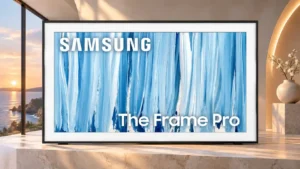
Colors are particularly accurate without calibration, including convincing skin tones, though the measured HDR reds and blues are not flawless.
Pros: cable management, design and appearance
Cons: value for money, Dolby Vision support

Colors are particularly accurate without calibration, including convincing skin tones, though the measured HDR reds and blues are not flawless.
Pros: cable management, design and appearance
Cons: value for money, Dolby Vision support
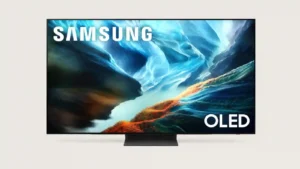
Color can look highly natural and accurate in the better picture modes, especially Filmmaker Mode. Standard and AI-heavy modes can push skin tones or whites too cool or warm.
Pros: glare resistance, black levels
Cons: Dolby Vision support, color gamut

Colors and skin tones generally look natural and convincing, with measured results that compare well against pricier models.
Pros: overall satisfaction, value for money
Cons: Smart TV platform, advertising intrusiveness

Colors are vivid yet natural in the best picture modes, with several tests showing near-reference accuracy straight from the box. Some HDR and gaming modes trade precision for extra punch.
Pros: picture quality, gaming performance
Cons: value for money, sound quality
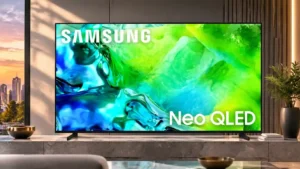
More restrained presets reproduce skin tones and colors convincingly; Dynamic or Vivid settings can push them too far.
Pros: picture quality, contrast ratio
Cons: blooming control, glare resistance
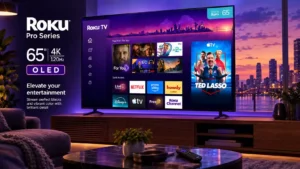
Accurate skin tones and natural colors earn broad praise, especially in the more accurate picture modes. One assessment finds the colors good rather than particularly vivid.
Pros: contrast ratio, value for money
Cons: peak brightness, HDR brightness
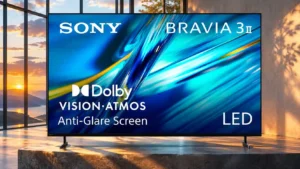
Natural skin tones and restrained saturation are recurring strengths, with strong SDR accuracy even before calibration. Some settings deliberately trade precision for brighter, punchier colors.
Pros: HDMI 2.1 port count, overall satisfaction
Cons: HDR performance, bass performance

Color is usually natural, vivid, and highly accurate out of the box, particularly in Filmmaker Mode. Some samples showed green tint, warm magenta, or firmware-related saturation errors.
Pros: picture quality, peak brightness
Cons: value for money, sound quality
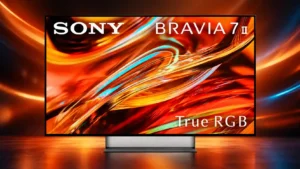
Color is the defining strength: it is usually rich, natural and highly accurate without looking cartoonish. A minority of tests found oversaturated reds, warm white balance or skin-tone errors in...
Pros: overall satisfaction, picture quality
Cons: HDMI 2.1 port count, reflection handling
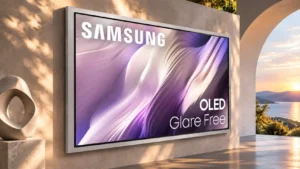
Filmmaker modes offer exceptionally faithful colors straight out of the box. Other presets, particularly Game Mode, can need tuning.
Pros: picture quality, overall satisfaction
Cons: design and appearance, Dolby Vision support
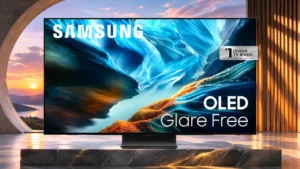
Natural skin tones and very small SDR color errors make the picture convincing before extensive adjustment.
Pros: black levels, contrast ratio
Cons: Dolby Vision support, stutter handling

Colors are accurate in the default picture mode, with only relatively small mapping errors.
Pros: value for money, overall satisfaction
Cons: HDR brightness
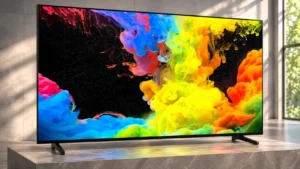
Colors often look natural out of the box and can become highly accurate after calibration, with some cool whites and overemphasized primaries at default settings.
Pros: picture quality, black levels
Cons: bass performance, HDR brightness
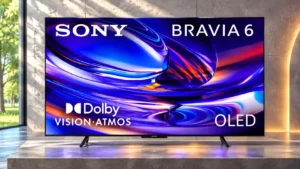
Color looks reasonably natural out of the box, and much better after calibration. Bright SDR material can still look too cool or washed out before adjustment.
Pros: HDMI 2.1 port count, Video input versatility
Cons: value for money, overall satisfaction
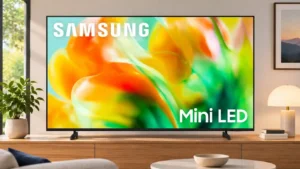
SDR colors and skin tones are often natural and pleasing straight out of the box, while HDR accuracy is less dependable.
Pros: gaming performance, color accuracy
Cons: value for money, overall satisfaction
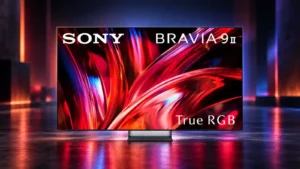
Color is usually accurate, natural and well balanced, including convincing skin tones. A few measurements and modes reveal small deviations, so it is not flawless in every condition.
Pros: overall satisfaction, overall image accuracy
Cons: value for money, bass performance
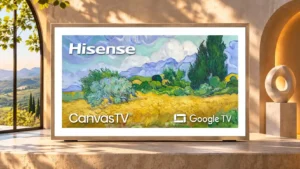
The color story varies: some find vibrant, natural skin tones, while more exacting tests flag a cool blue tint and inaccurate default white balance.
Pros: picture quality, color accuracy
Cons: HDR performance, sound quality
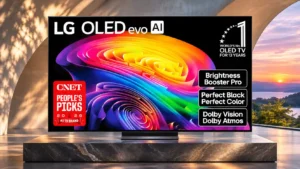
SDR Filmmaker Mode is generally natural and convincing. HDR accuracy is less consistent, with cool color temperature, undersaturated reds, and limited gains from calibration on some samples.
Pros: gaming performance, HDR brightness
Cons: reflection handling, glare resistance
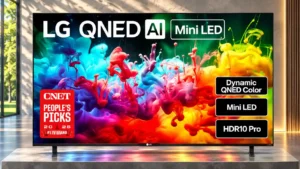
Colors look natural to several viewers, especially skin tones, although lab testing finds some default white-balance and color-mapping inconsistencies.
Pros: picture quality, color accuracy
Cons: remote control quality, black levels
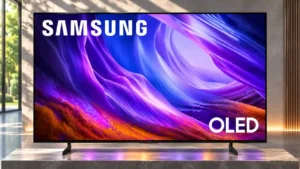
Filmmaker mode gives the most faithful colors and can look excellent without calibration. Default presets and some HDR scenes exaggerate warm tones, reds or blues.
Pros: black levels, picture quality
Cons: glare resistance, reflection handling
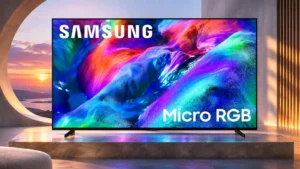
Factory colors are appealing but can lean cool in SDR; careful calibration delivers more neutral and faithful color.
Pros: overall satisfaction, color gamut
Cons: value for money, local dimming performance
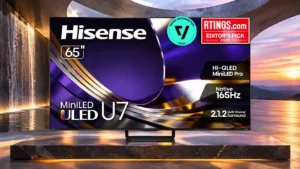
SDR color and skin tones can be remarkably natural, but uncalibrated HDR or different presets may introduce green or blue tints.
Pros: overall satisfaction, glare resistance
Cons: motion handling, viewing angles
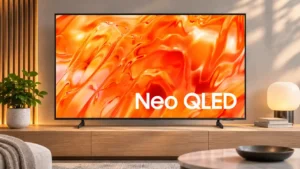
Natural-looking colors and skin tones are bright spots; minor white-balance and color biases benefit from calibration.
Pros: picture quality, overall satisfaction
Cons: sound quality, black levels
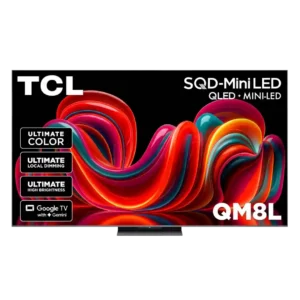
Accuracy varies noticeably by mode and unit. Movie or Filmmaker settings can look natural and calibrate beautifully, while Standard and some HDR settings may run overly bright, cool, or saturated.
Pros: picture quality, value for money
Cons: stand quality, judder handling

Colors can look natural and striking, particularly in Filmmaker Mode, but measured factory accuracy and HDR color mapping vary across assessments.
Pros: peak brightness, blooming control
Cons: value for money, motion clarity
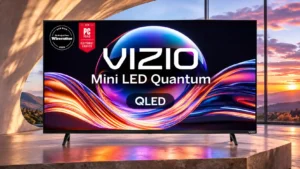
SDR and some calibrated HDR tests produced pleasing, well-balanced color. The default Bright preset can look exaggerated, especially on skin.
Pros: value for money, picture quality
Cons: account requirements, gaming performance

Color can look pleasingly natural, particularly in skin tones and vivid artwork, but some settings shift toward warm reds and less accurate neutrals.
Pros: art display mode, picture quality
Cons: contrast ratio, high-refresh-rate gaming
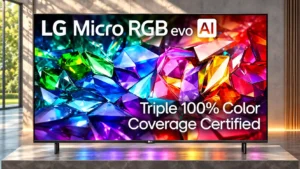
Color is a point of contention: some scenes show remarkably natural skin tones, while measured factory SDR and HDR settings reveal major errors and color-temperature shifts.
Pros: peak brightness, picture quality
Cons: value for money, viewing angles
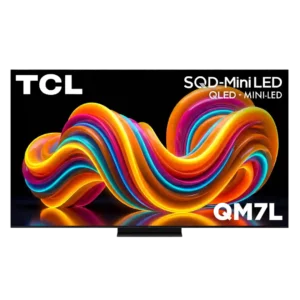
Color can look rich, lifelike, and accurate in the better presets, but blue, red, green, and magenta biases appear in different modes. Default settings can also look pale and washed...
Pros: peak brightness, picture quality
Cons: color accuracy, viewing angles
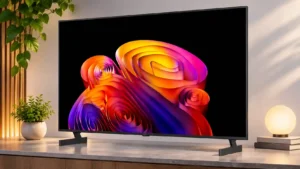
The B6E can look accurate out of the box, but a green cast appears in some side-by-side scenes. Other content renders skin tones vibrantly and naturally.
Pros: contrast ratio, black levels
Cons: reflection handling, color accuracy
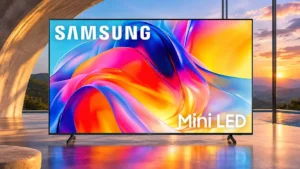
Out-of-box color is mixed: some find natural skin tones and pleasing hues, while others see a magenta cast. Calibration can improve accuracy considerably.
Pros: sound quality, picture quality
Cons: value for money, local dimming performance
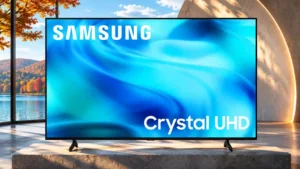
The color presentation can look cleaner than some cheap competitors, but yellow or cool casts and inaccurate saturated colors stop it from being faithful.
Pros: white balance accuracy, design and appearance
Cons: overall satisfaction, value for money
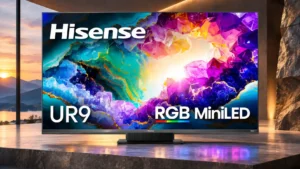
Factory color varies sharply with unit and mode: some settings look balanced, while others have red or blue casts. Calibration greatly improves results.
Pros: peak brightness, picture quality
Cons: value for money, color accuracy

Color can look lively and pleasing, but lab-focused reviewers repeatedly flag inaccurate or oversaturated output. Other owners describe the color as excellent, making calibration and picture mode important.
Pros: picture quality, overall satisfaction
Cons: value for money, reliability

Color is beautifully saturated, but accuracy assessments vary by picture preset. Factory blues can be too cool, while Filmmaker Mode and calibration give much better balance.
Pros: picture quality, overall satisfaction
Cons: color crosstalk, value for money
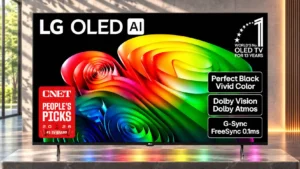
Natural-looking skin and excellent measured SDR color impress some testers, but green-tinted greys and faces repeatedly undermine confidence.
Pros: value for money, peak brightness
Cons: color accuracy, stand quality

SDR colors can look accurate right out of the box, though some competing TVs perform better. HDR is less faithful, with a conspicuous cool-blue cast.
Pros: design and appearance, maximum volume
Cons: picture quality, value for money
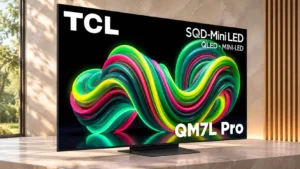
Color judgments differ by material and evaluation: one assessment notes a warm, reddish SDR cast, while another finds natural skin tones and good HDR color.
Pros: picture quality, black levels
Cons: viewing angles, motion clarity

Factory color accuracy is acceptable, with good mapping but a cool tint. Calibrated picture modes can be exceptionally accurate.
Pros: art display mode, design and appearance
Cons: overall satisfaction, HDMI port accessibility
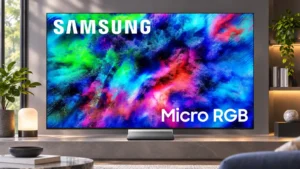
Natural-looking colors are possible, especially after adjustments, but several setups look too blue or overly red at first. The out-of-box result depends heavily on preset and calibration.
Pros: color volume, overall satisfaction
Cons: value for money, color accuracy