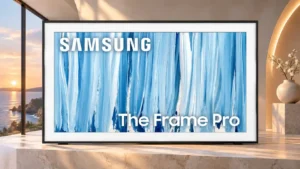
The matte anti-reflective surface suppresses reflections from bright windows and lamps exceptionally well.
Pros: cable management, design and appearance
Cons: value for money, Dolby Vision support

The matte anti-reflective surface suppresses reflections from bright windows and lamps exceptionally well.
Pros: cable management, design and appearance
Cons: value for money, Dolby Vision support

The matte screen substantially reduces direct window and lamp reflections, making both artwork and casual daytime viewing more pleasant. It can scatter ambient light across the image instead of eliminating...
Pros: art display mode, picture quality
Cons: contrast ratio, high-refresh-rate gaming
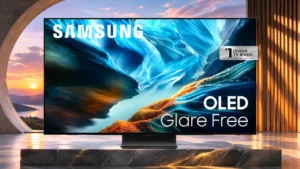
Direct lights become diffuse and much less distracting thanks to the matte anti-reflective coating.
Pros: black levels, contrast ratio
Cons: Dolby Vision support, stutter handling
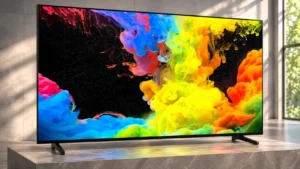
The anti-glare finish is a standout: even direct lamps and windows create much less distracting reflection than on a glossy screen.
Pros: picture quality, black levels
Cons: bass performance, HDR brightness
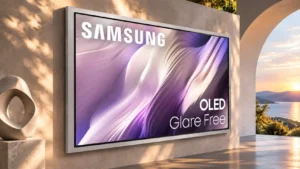
Direct glare is suppressed remarkably well, making bright-room viewing easier without visible mirror reflections.
Pros: picture quality, overall satisfaction
Cons: design and appearance, Dolby Vision support

The textured matte finish is exceptionally effective at diffusing window and lamp reflections. It cannot fully overcome powerful direct sunlight.
Pros: art display mode, design and appearance
Cons: overall satisfaction, HDMI port accessibility
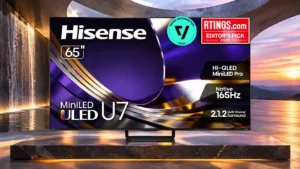
The matte screen suppresses direct sunlight and bright lamps better than many similarly priced TVs; larger glossy variants differ.
Pros: overall satisfaction, glare resistance
Cons: motion handling, viewing angles

The glossy anti-reflection coating suppresses glare extremely well while preserving image depth, contrast, and saturated color.
Pros: picture quality, peak brightness
Cons: value for money, sound quality

The matte anti-glare coating does an excellent job dispersing window and lamp reflections, making bright-room use one of its strongest areas.
Pros: picture quality, color accuracy
Cons: HDR performance, sound quality
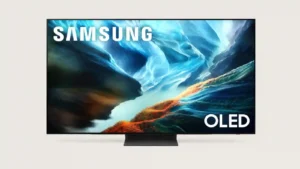
The matte Glare Free coating is one of the S90H’s defining strengths, dramatically reducing glare. The tradeoff is slightly raised blacks or reduced perceived crispness in some conditions.
Pros: glare resistance, black levels
Cons: Dolby Vision support, color gamut

The matte treatment noticeably softens direct reflections and keeps normal daytime rooms usable, although intense lights can still affect contrast.
Pros: overall satisfaction, value for money
Cons: Smart TV platform, advertising intrusiveness
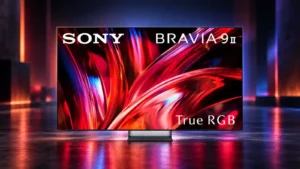
Glare resistance is exceptional and repeatedly singled out as one of the best anti-glare implementations on a premium TV.
Pros: overall satisfaction, overall image accuracy
Cons: value for money, bass performance
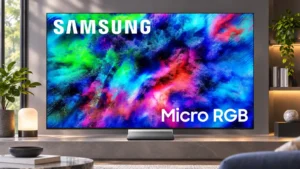
Samsung's Glare Free finish is one of the R95H's biggest benefits, cutting distracting window and lamp reflections. It makes daytime viewing markedly easier.
Pros: color volume, overall satisfaction
Cons: value for money, color accuracy
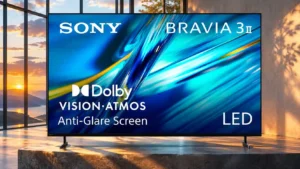
Direct reflections are well controlled on the matte 65- and 75-inch versions. Glossy sizes show brighter mirror-like reflections, so placement matters.
Pros: HDMI 2.1 port count, overall satisfaction
Cons: HDR performance, bass performance

Direct reflections are remarkably faint thanks to the matte screen. Even so, strong ambient light can wash out the underlying picture.
Pros: design and appearance, maximum volume
Cons: picture quality, value for money
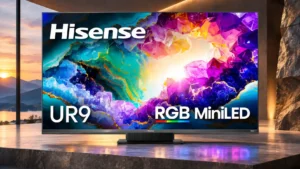
The anti-glare coating can help in real living rooms, but its performance against direct windows and lamps divides opinion.
Pros: peak brightness, picture quality
Cons: value for money, color accuracy

Brightness generally overpowers ambient glare, but the glossy surface can leave visible reflections in especially dark content.
Pros: peak brightness, blooming control
Cons: value for money, motion clarity
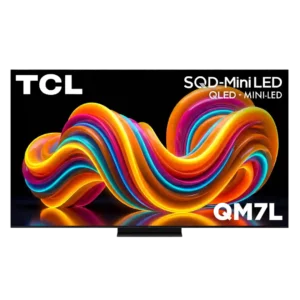
Strong brightness often overpowers room light, and the coating can work very well. Direct sunlight and dark scenes remain problematic in less favorable rooms.
Pros: peak brightness, picture quality
Cons: color accuracy, viewing angles

Immense light output does much of the work against room glare. Direct reflections and some diffraction effects still show up under challenging lighting.
Pros: picture quality, overall satisfaction
Cons: color crosstalk, value for money
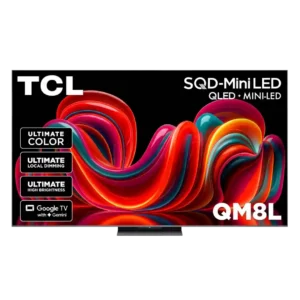
Bright output makes the picture easy to see in daylight, yet coating performance varies by comparison. Rooms with windows directly opposite the screen may still need curtains.
Pros: picture quality, value for money
Cons: stand quality, judder handling

Owners perceive useful glare resistance compared with OLED, yet direct reflections remain prominent and daylight brightness is limited.
Pros: picture quality, overall satisfaction
Cons: sound quality, black levels
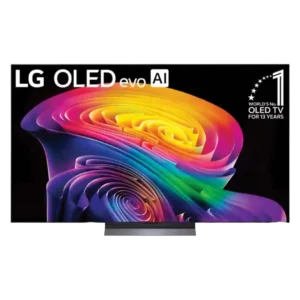
Glare control is weaker than on flagship anti-reflective OLEDs and some matte competitors. Direct sunlight is the main problem.
Pros: picture quality, gaming performance
Cons: value for money, sound quality
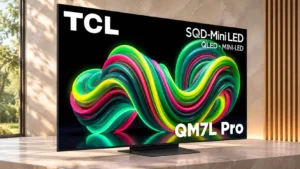
Indirect room light is reasonably manageable, but lamps or windows reflecting directly off the screen can create a distracting band or rainbow smear.
Pros: picture quality, black levels
Cons: viewing angles, motion clarity
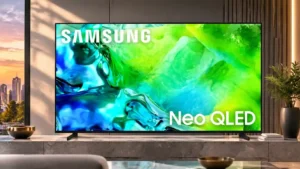
Daylight visibility can be good thanks to the bright panel, but the glossy surface is not especially effective against direct window reflections.
Pros: picture quality, contrast ratio
Cons: blooming control, glare resistance
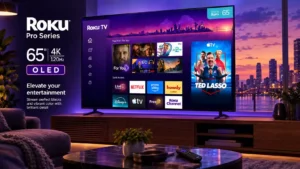
Glare treatment draws sharply different reactions. Initial impressions praise it, while more critical testing finds the semi-gloss surface distracting during dark scenes in lit rooms.
Pros: contrast ratio, value for money
Cons: peak brightness, HDR brightness
Direct reflections are a recurring issue with the glossy surface, despite one much more favorable assessment of glare control.
Pros: overall satisfaction, color gamut
Cons: value for money, local dimming performance

Some ambient light is acceptable, but stronger glare and sunlight make the image difficult to enjoy.
Pros: value for money, overall satisfaction
Cons: HDR brightness

Normal room lighting is workable, but direct light sources can appear like a mirror, especially during dark scenes.
Pros: gaming performance, HDR brightness
Cons: reflection handling, glare resistance
Glare control is a recurring weakness because the 7 II lacks the flagship’s anti-reflective coating. Some owners may find the semi-gloss screen acceptable, but direct light can be distracting.
Pros: overall satisfaction, picture quality
Cons: HDMI 2.1 port count, reflection handling

The screen gets bright enough for some daytime use, but its glossy finish struggles badly with direct reflections.
Pros: value for money, picture quality
Cons: account requirements, gaming performance
The glossy screen does little to soften mirror-like reflections from nearby lights, even though the panel is bright enough for daytime use.
Pros: peak brightness, picture quality
Cons: value for money, viewing angles
Direct lamps and windows remain clearly visible on the screen. The S85H cannot match the anti-glare coatings on Samsung’s step-up OLEDs.
Pros: black levels, picture quality
Cons: glare resistance, reflection handling
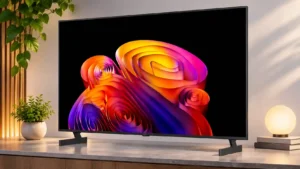
The glossy panel does little to hide window or lamp reflections, especially when darker scenes are playing.
Pros: contrast ratio, black levels
Cons: reflection handling, color accuracy
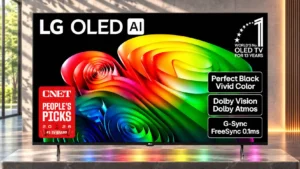
Strong room lighting reflects off the glossy panel and can wash out black depth, limiting the B6’s bright-room usefulness.
Pros: value for money, peak brightness
Cons: color accuracy, stand quality
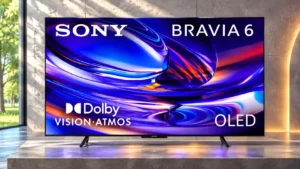
The dim panel and conspicuous direct reflections make glare control a notable weakness. Closing blinds improves dark-scene visibility considerably.
Pros: HDMI 2.1 port count, Video input versatility
Cons: value for money, overall satisfaction
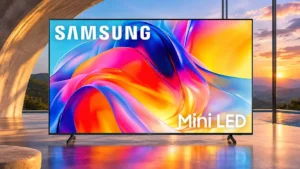
The glossy coating offers little protection from bright windows and lamps, frequently making reflections distracting.
Pros: sound quality, picture quality
Cons: value for money, local dimming performance

Direct lights and windows remain highly visible on the glossy screen, undermining daytime viewing.
Pros: picture quality, color accuracy
Cons: remote control quality, black levels
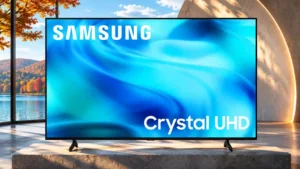
The glossy surface behaves almost like a mirror under direct light and reflects lamps and windows strongly.
Pros: white balance accuracy, design and appearance
Cons: overall satisfaction, value for money

Bright-room glare is a weak point in lab testing, with ambient light making details harder to see. Buyers with windows or overhead lighting should take this seriously.
Pros: picture quality, overall satisfaction
Cons: value for money, reliability
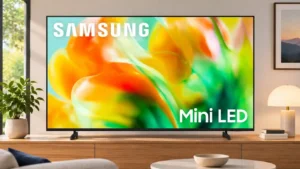
Mirror-like direct reflections remain strong on the glossy screen.
Pros: gaming performance, color accuracy
Cons: value for money, overall satisfaction