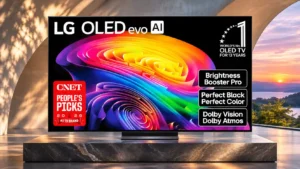
Controls feel exceptionally responsive, with particularly low latency at 120Hz and a faster mode for 60Hz.
Pros: gaming performance, HDR brightness
Cons: reflection handling, glare resistance

Controls feel exceptionally responsive, with particularly low latency at 120Hz and a faster mode for 60Hz.
Pros: gaming performance, HDR brightness
Cons: reflection handling, glare resistance
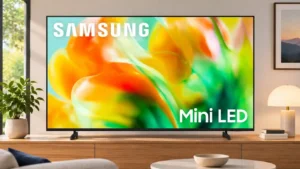
Controls respond extremely quickly at high refresh rates, one of the M80H's most dependable gaming advantages.
Pros: gaming performance, color accuracy
Cons: value for money, overall satisfaction
Input lag around the 9ms range at 4K/60Hz is repeatedly described as exceptionally responsive for gaming.
Pros: glare resistance, black levels
Cons: Dolby Vision support, color gamut
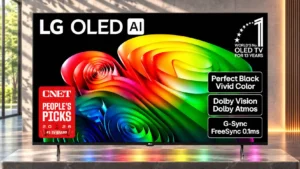
Measured lag around 8.9ms in boost mode and immediate-feeling inputs keep fast games responsive.
Pros: value for money, peak brightness
Cons: color accuracy, stand quality
Controls feel immediate in game mode, supporting responsive console and PC play.
Pros: peak brightness, picture quality
Cons: value for money, viewing angles
Console gaming feels responsive, with low input lag helping controls react quickly during play.
Pros: picture quality, overall satisfaction
Cons: value for money, reliability
Low input lag is one of the clearest gaming strengths, even though the 60Hz panel still limits overall responsiveness.
Pros: sound quality, picture quality
Cons: value for money, local dimming performance
Game controls feel consistently responsive, especially when using 1080p/120Hz where supported.
Pros: picture quality, overall satisfaction
Cons: sound quality, black levels
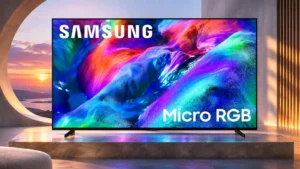
Very low latency makes button presses feel immediate, even though optional motion enhancement can introduce its own delay.
Pros: overall satisfaction, color gamut
Cons: value for money, local dimming performance

Very low input lag keeps controllers and PC inputs feeling immediate, especially with Game Mode active.
Pros: art display mode, design and appearance
Cons: overall satisfaction, HDMI port accessibility
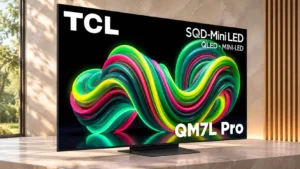
Input delay is extraordinarily low in Game Master, particularly at higher refresh rates, keeping controller actions immediate.
Pros: picture quality, black levels
Cons: viewing angles, motion clarity
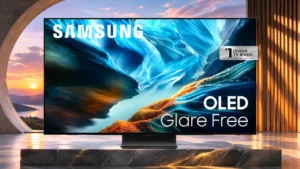
Game Mode delivers extremely low delay, so control inputs feel immediate.
Pros: black levels, contrast ratio
Cons: Dolby Vision support, stutter handling

Measured latency is consistently extremely low, often below one frame and dropping further at 120Hz or 165Hz.
Pros: picture quality, peak brightness
Cons: value for money, sound quality
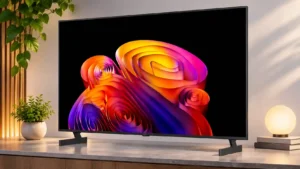
Gaming-mode latency is exceptional, supporting nearly immediate responses to controller inputs.
Pros: contrast ratio, black levels
Cons: reflection handling, color accuracy
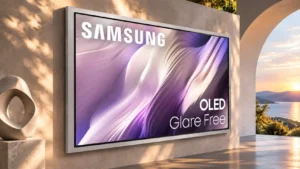
Measured input delay is exceptionally low for console and high-refresh PC play, enabling quick reactions.
Pros: picture quality, overall satisfaction
Cons: design and appearance, Dolby Vision support
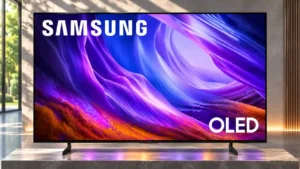
Game Mode delivers extremely quick controls, with measurements around single-digit milliseconds. Optional game interpolation adds substantial latency.
Pros: black levels, picture quality
Cons: glare resistance, reflection handling
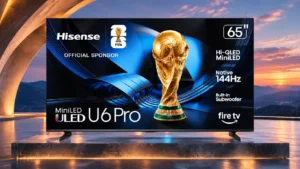
Game Mode reacts quickly to controls, with measured delay low enough to feel responsive on supported consoles and PCs.
Pros: overall satisfaction, value for money
Cons: Smart TV platform, advertising intrusiveness
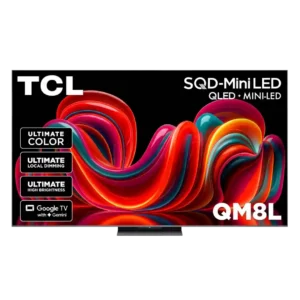
Input lag is consistently very low, typically around one frame or less. Controls feel immediate on consoles and PCs.
Pros: picture quality, value for money
Cons: stand quality, judder handling
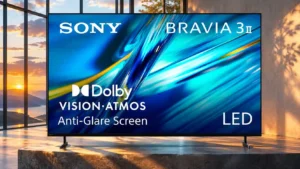
Game Mode is impressively responsive, even in timing-heavy PlayStation games. Lag rises substantially outside Game Mode, making external navigation feel sluggish.
Pros: HDMI 2.1 port count, overall satisfaction
Cons: HDR performance, bass performance
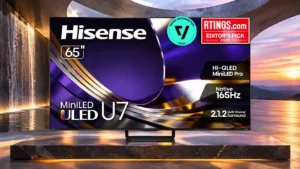
Controller actions appear rapidly across supported modes, making this one of the set's clearest gaming strengths.
Pros: overall satisfaction, glare resistance
Cons: motion handling, viewing angles
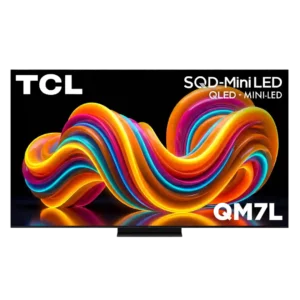
Measured input lag is excellent, dropping to roughly 7 ms at 4K/120Hz and making controls feel immediate.
Pros: peak brightness, picture quality
Cons: color accuracy, viewing angles
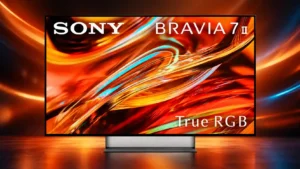
Input response is consistently fast, with measured lag around the low-10ms range at 60Hz and an even snappier feel at 120Hz.
Pros: overall satisfaction, picture quality
Cons: HDMI 2.1 port count, reflection handling
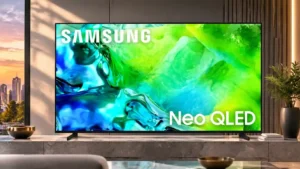
Game Mode is pleasingly responsive at around the low-teens milliseconds in measured examples; processing-heavy modes can be much slower.
Pros: picture quality, contrast ratio
Cons: blooming control, glare resistance
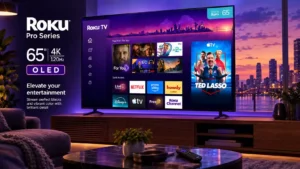
Input lag earns unusually strong praise, including record-setting 4K60 measurements in the PCMag tests. Other gaming assessments also find the TV snappy and responsive.
Pros: contrast ratio, value for money
Cons: peak brightness, HDR brightness
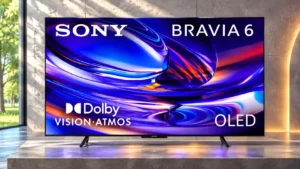
Controller actions appear onscreen almost immediately, with very little perceptible delay. This is a strong point for fast games.
Pros: HDMI 2.1 port count, Video input versatility
Cons: value for money, overall satisfaction
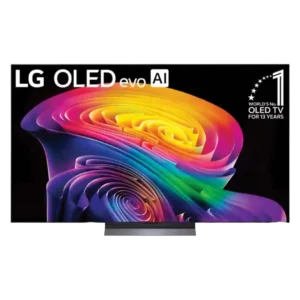
Game Optimizer and Boost mode deliver exceptionally low latency, with 4K/60 results around 9ms and 120Hz results near 5ms in several tests.
Pros: picture quality, gaming performance
Cons: value for money, sound quality
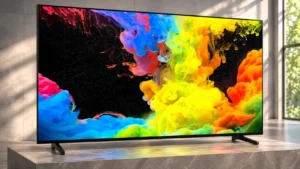
Game mode delivers quick responses that satisfy many players. A minority find control lag and smearing more noticeable in very fast titles.
Pros: picture quality, black levels
Cons: bass performance, HDR brightness

Low latency makes the TV responsive to game controls, even though image motion itself may blur.
Pros: picture quality, color accuracy
Cons: HDR performance, sound quality
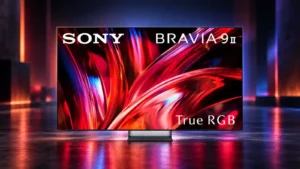
Input lag is generally low and responsive in the proper game mode, making controller response suitable for mainstream gaming.
Pros: overall satisfaction, overall image accuracy
Cons: value for money, bass performance
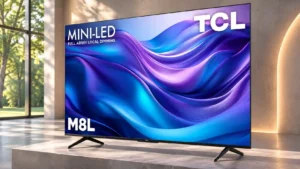
Controls respond with very little delay, making the TV feel snappy for play. Low input lag is one of its clearest gaming advantages.
Pros: value for money, overall satisfaction
Cons: HDR brightness
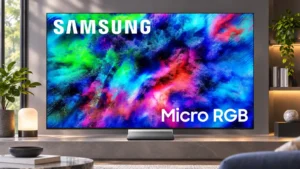
Controller response feels prompt and measured latency is low for a premium TV. Some OLED and Sony rivals are slightly faster, while the optional wireless connection adds lag.
Pros: color volume, overall satisfaction
Cons: value for money, color accuracy

Controls generally feel responsive, especially at high refresh rates. Sixty-hertz lag is somewhat less competitive but still satisfactory for everyday gaming.
Pros: picture quality, overall satisfaction
Cons: color crosstalk, value for money
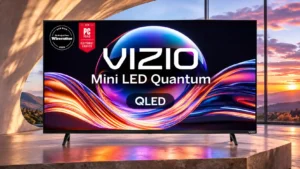
Measured latency is around 9–10 milliseconds at 4K/60Hz and even lower at 1080p/120Hz, making controls feel quick.
Pros: value for money, picture quality
Cons: account requirements, gaming performance

Gaming controls feel responsive with low measured input lag, though some assessments find latency less competitive than the best gaming displays.
Pros: peak brightness, blooming control
Cons: value for money, motion clarity
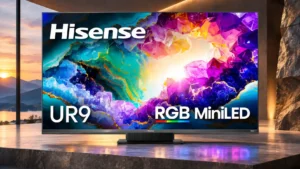
Controls feel quick at most tested refresh rates, although one comparison found the latency less competitive than rival TVs.
Pros: peak brightness, picture quality
Cons: value for money, color accuracy
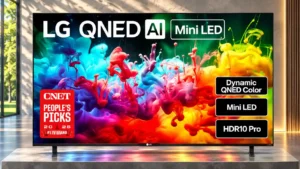
Game Mode offers low input delay, with one hands-on test reporting about 9ms, so controller actions feel responsive.
Pros: picture quality, color accuracy
Cons: remote control quality, black levels

Gaming input response is decent in the dedicated mode, and one owner describes the controls as responsive. Outside Game Optimizer, external-device menus can feel much slower.
Pros: design and appearance, maximum volume
Cons: picture quality, value for money

The wireless One Connect link can introduce substantial delay, though a direct Micro-HDMI connection is much quicker; casual testing found less noticeable lag.
Pros: cable management, design and appearance
Cons: value for money, Dolby Vision support
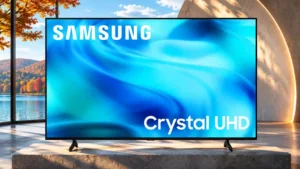
Lag is acceptable for relaxed gameplay but higher than better gaming TVs, making controls feel slightly delayed.
Pros: white balance accuracy, design and appearance
Cons: overall satisfaction, value for money

Controls can feel less immediate than on stronger gaming televisions, especially in racing or competitive action.
Pros: art display mode, picture quality
Cons: contrast ratio, high-refresh-rate gaming