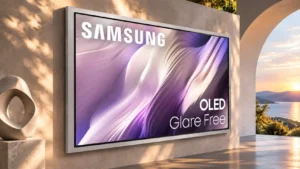
Bright saturated colors are a standout advantage, making sunsets, vivid costumes, and colorful games more lifelike than many WOLED rivals.
Pros: picture quality, overall satisfaction
Cons: design and appearance, Dolby Vision support

Bright saturated colors are a standout advantage, making sunsets, vivid costumes, and colorful games more lifelike than many WOLED rivals.
Pros: picture quality, overall satisfaction
Cons: design and appearance, Dolby Vision support
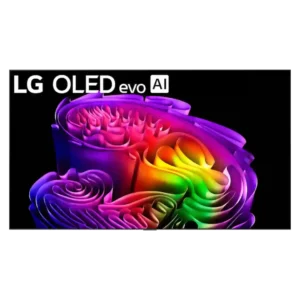
Rich, bright color is one of the G6’s defining strengths, with bold highlights retaining impressive saturation and realism.
Pros: picture quality, peak brightness
Cons: value for money, sound quality
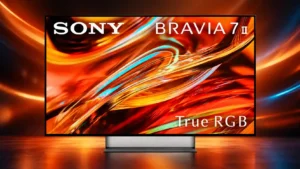
True RGB delivers exceptional color volume, preserving vivid reds, greens and blues even at high brightness instead of washing them toward white.
Pros: overall satisfaction, picture quality
Cons: HDMI 2.1 port count, reflection handling
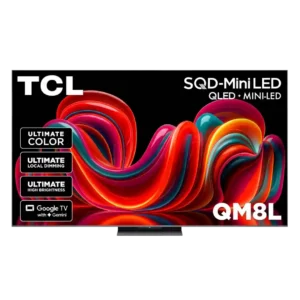
SQD color is a major attraction, delivering exceptionally rich, bright hues without usually looking cartoonish. The expanded color remains vivid even as luminance climbs.
Pros: picture quality, value for money
Cons: stand quality, judder handling
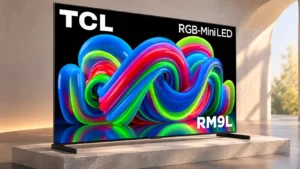
Brilliant colors retain impressive intensity as brightness rises. Some white-adjacent colors and saturated scenes reveal the technology's limits.
Pros: picture quality, overall satisfaction
Cons: color crosstalk, value for money
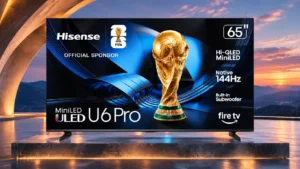
Bright, colorful scenes hold their richness well, but the most saturated colors in demanding wide-gamut material can look less convincing.
Pros: overall satisfaction, value for money
Cons: Smart TV platform, advertising intrusiveness
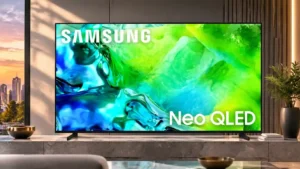
Bold, vivid color is one of the QN80H's biggest attractions, especially on sports pitches and animation. Very bright scenes can wash out some subtler shades.
Pros: picture quality, contrast ratio
Cons: blooming control, glare resistance
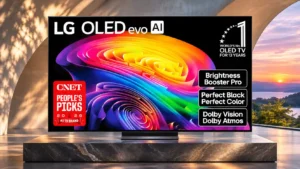
The new tandem panel produces vivid bright colors, a meaningful step up from standard WOLED, though extremely saturated highlights can still lose color intensity.
Pros: gaming performance, HDR brightness
Cons: reflection handling, glare resistance
Bright, saturated HDR colors are a standout attraction, especially in animation and nature footage. SDR color volume and consistency are less convincing.
Pros: peak brightness, picture quality
Cons: value for money, viewing angles
The 77-inch RGB Tandem panel delivers unusually vivid colors for this range, staying rich even when brighter colors fill the screen.
Pros: black levels, contrast ratio
Cons: Dolby Vision support, stutter handling
Bright highlights retain richly saturated colors, with little washout in strong light.
Pros: overall satisfaction, glare resistance
Cons: motion handling, viewing angles
Color volume is a major strength: bright colors retain richness at luminance levels that conventional LCD and many OLED sets struggle to match.
Pros: overall satisfaction, overall image accuracy
Cons: value for money, bass performance
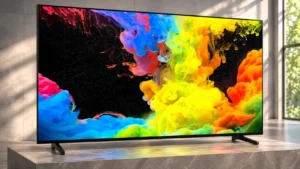
Many scenes look vivid and richly colored; brighter HDR material and extreme saturation are harder for the screen to reproduce.
Pros: picture quality, black levels
Cons: bass performance, HDR brightness
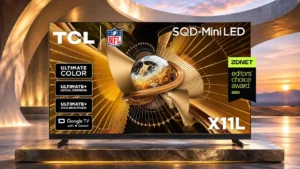
Color remains rich and impactful even in very bright HDR scenes, a key advantage over ordinary Mini-LED sets.
Pros: peak brightness, blooming control
Cons: value for money, motion clarity
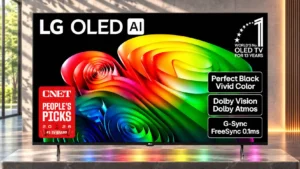
Bold blues, reds and oranges look vivid and engaging, especially in Dolby Vision. Newer RGB displays can show still more saturation.
Pros: value for money, peak brightness
Cons: color accuracy, stand quality
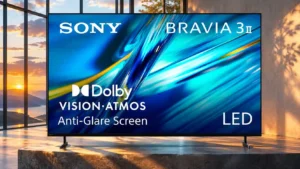
Bright animated scenes and vivid daylight colors look lively, but dark saturated colors and extreme HDR highlights are harder for this panel to reproduce.
Pros: HDMI 2.1 port count, overall satisfaction
Cons: HDR performance, bass performance
Bright, vivid artwork and video impress, but pale and very dark saturated colors are not reproduced equally well.
Pros: cable management, design and appearance
Cons: value for money, Dolby Vision support
Highly saturated material has striking depth and punch, though lighter scenes can look washed out and not every show uses the full palette.
Pros: overall satisfaction, color gamut
Cons: value for money, local dimming performance
Saturated colors remain strikingly vivid at high brightness, especially in vivid HDR images. The gains are less consistent in complex or very light scenes.
Pros: peak brightness, picture quality
Cons: value for money, color accuracy
Rich reds, blues and other saturated colors look engaging in ordinary scenes, but the brightest colors can fade and higher-end OLEDs have more punch.
Pros: contrast ratio, black levels
Cons: reflection handling, color accuracy
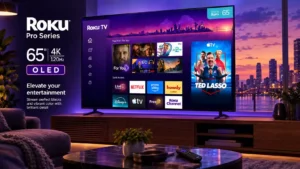
Colors remain rich across viewing positions, but limited color brightness restricts the range and intensity available from premium OLED panels.
Pros: contrast ratio, value for money
Cons: peak brightness, HDR brightness
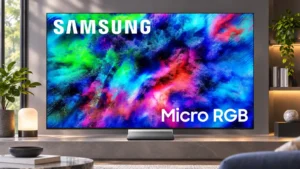
The RGB backlight produces exceptionally rich, vivid colors and fine hue differences. White objects can dilute nearby colors, and some movie scenes look overdone or subdued depending on settings.
Pros: color volume, overall satisfaction
Cons: value for money, color accuracy
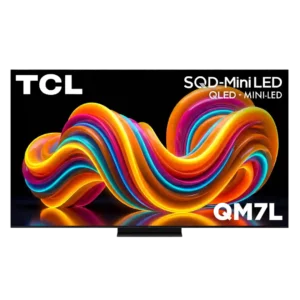
SQD color delivers strong saturation and separation without routinely looking overdone. A minority view found the improvement familiar rather than revolutionary and criticized the claimed advantage.
Pros: peak brightness, picture quality
Cons: color accuracy, viewing angles
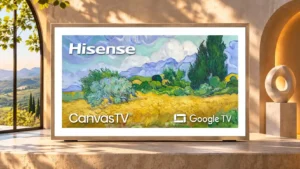
Strong reds and blues make images engaging, but very bright and dark colors are limited by modest contrast and brightness.
Pros: picture quality, color accuracy
Cons: HDR performance, sound quality
Many colors are vibrant and well saturated, especially in ordinary scenes. Very bright and very dark images can wash out or lose deep color richness.
Pros: art display mode, picture quality
Cons: contrast ratio, high-refresh-rate gaming
Colors retain their visual strength in ambient light. Apparent advantages over neighboring TCL models partly come from a fleeting brightness boost rather than a lasting improvement.
Pros: picture quality, black levels
Cons: viewing angles, motion clarity
Color volume is described as decent rather than exceptional. It produces a satisfying amount of color, but the reviewer wanted a little more richness.
Pros: picture quality, overall satisfaction
Cons: value for money, reliability
Some comparative viewing finds pleasantly rich reds, although limited brightness and contrast restrain the strongest HDR colors.
Pros: picture quality, overall satisfaction
Cons: sound quality, black levels
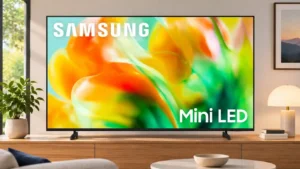
Colors can look full and vivid in SDR, especially against budget rivals, but brighter HDR shades lack the volume of better Mini LED TVs.
Pros: gaming performance, color accuracy
Cons: value for money, overall satisfaction
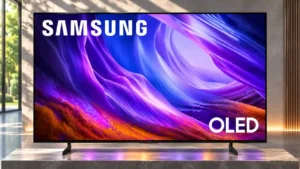
Colors are lively for an entry OLED, but highly saturated HDR highlights can look washed out compared with stronger QD-OLED or tandem panels.
Pros: black levels, picture quality
Cons: glare resistance, reflection handling
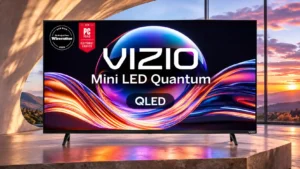
Colors can be vivid and well controlled, but very bright saturated hues and some BT.2020 material are less convincing.
Pros: value for money, picture quality
Cons: account requirements, gaming performance
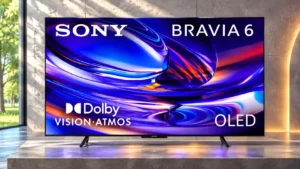
Saturated color looks convincing in darker scenes but loses intensity as picture brightness rises. Bright scenes can appear washed out.
Pros: HDMI 2.1 port count, Video input versatility
Cons: value for money, overall satisfaction
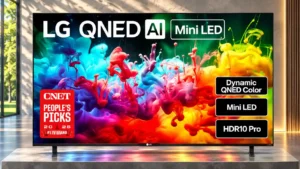
Colors are lively enough for ordinary material, but deeply saturated HDR shades and very bright colors are harder for the panel to reproduce.
Pros: picture quality, color accuracy
Cons: remote control quality, black levels
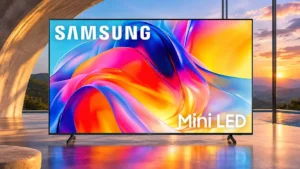
Vibrant colors impress some owners, but laboratory results find washed-out bright and dark saturated tones.
Pros: sound quality, picture quality
Cons: value for money, local dimming performance
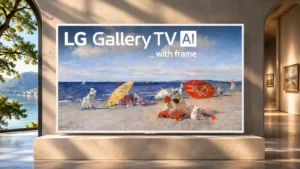
Some SDR scenes look rich and vibrant, but HDR colors lack range and can lose saturation. Bright HDR scenes are especially prone to looking washed out.
Pros: design and appearance, maximum volume
Cons: picture quality, value for money
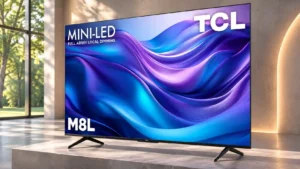
Colors can look lively in everyday viewing, but bright saturated shades, especially HDR blues, lack intensity.
Pros: value for money, overall satisfaction
Cons: HDR brightness
The standard WOLED panel covers a broad HDR range, but very bright saturated colors can look slightly washed because of the white subpixel.
Pros: picture quality, gaming performance
Cons: value for money, sound quality
Everyday colors look reasonable, although very bright or dark saturated colors lose vividness.
Pros: art display mode, design and appearance
Cons: overall satisfaction, HDMI port accessibility
Color Booster creates an appealing vivid look for some viewers, although measured coverage and saturation remain weak for HDR.
Pros: white balance accuracy, design and appearance
Cons: overall satisfaction, value for money
WOLED versions lose some high-brightness color intensity compared with QD-OLED, most noticeably in demanding wide-gamut HDR material.
Pros: glare resistance, black levels
Cons: Dolby Vision support, color gamut