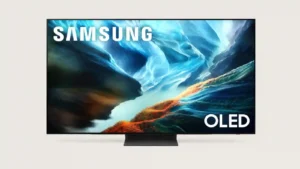
OLED contrast is a standout, pairing near-perfect blacks with bright highlights for a deep, dimensional image in movies and games.
Pros: glare resistance, black levels
Cons: Dolby Vision support, color gamut

OLED contrast is a standout, pairing near-perfect blacks with bright highlights for a deep, dimensional image in movies and games.
Pros: glare resistance, black levels
Cons: Dolby Vision support, color gamut
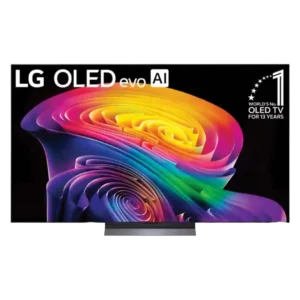
Pixel-level lighting produces superb contrast, with bright highlights standing cleanly against dark backgrounds and plenty of depth in cinematic scenes.
Pros: picture quality, gaming performance
Cons: value for money, sound quality
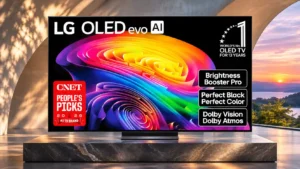
The essentially infinite contrast lets bright objects sit next to pitch-black areas without compromising the image.
Pros: gaming performance, HDR brightness
Cons: reflection handling, glare resistance
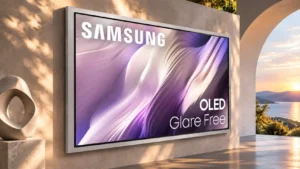
Pixel-level OLED contrast delivers ink-black backgrounds beside bright objects, particularly in dim rooms.
Pros: picture quality, overall satisfaction
Cons: design and appearance, Dolby Vision support
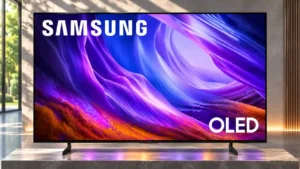
Near-infinite OLED contrast makes bright highlights stand out sharply against rich dark backgrounds, producing a convincing sense of depth.
Pros: black levels, picture quality
Cons: glare resistance, reflection handling
Perfect OLED blacks beside intense highlights create exceptional depth and punch. This remains a standout advantage in both dark and bright rooms.
Pros: picture quality, peak brightness
Cons: value for money, sound quality
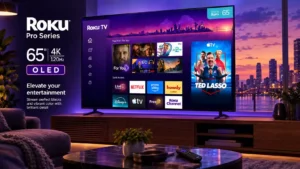
Precise OLED contrast gives dark scenes depth and keeps small highlights distinct. This strength remains compelling even without high peak brightness.
Pros: contrast ratio, value for money
Cons: peak brightness, HDR brightness
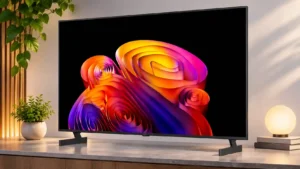
Near-infinite OLED contrast brings deep blacks and expressive highlights to films and games, particularly in darker rooms.
Pros: contrast ratio, black levels
Cons: reflection handling, color accuracy
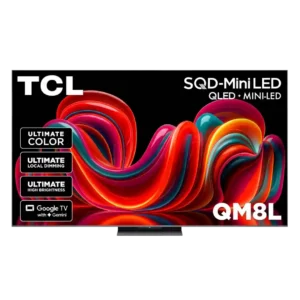
Powerful light output and precise dimming create striking contrast, giving HDR scenes strong depth and punch without routinely washing out surrounding shadows.
Pros: picture quality, value for money
Cons: stand quality, judder handling
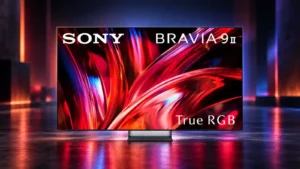
Contrast is excellent for an LCD, producing deep blacks and strong image depth. It still cannot equal OLED’s per-pixel contrast in every dark-room scene.
Pros: overall satisfaction, overall image accuracy
Cons: value for money, bass performance
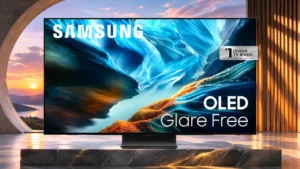
Pixel-level black control creates outstanding contrast, and the matte coating helps preserve that advantage in light-filled rooms.
Pros: black levels, contrast ratio
Cons: Dolby Vision support, stutter handling
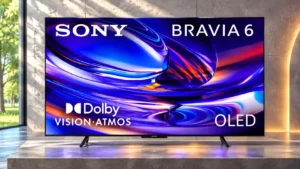
The OLED panel can display highlights beside completely black pixels for effectively infinite contrast. This particularly enhances dimly lit scenes.
Pros: HDMI 2.1 port count, Video input versatility
Cons: value for money, overall satisfaction
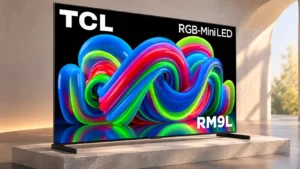
The strong native panel contrast and precise backlight create excellent separation between deep shadows and bright highlights.
Pros: picture quality, overall satisfaction
Cons: color crosstalk, value for money
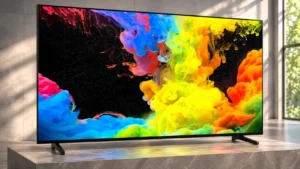
Strong LCD contrast gives films and games depth, although the backlight cannot eliminate haloing around bright details.
Pros: picture quality, black levels
Cons: bass performance, HDR brightness
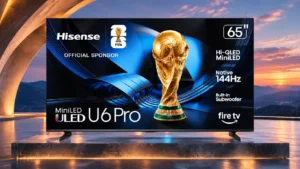
Deep local-dimming blacks give the image strong contrast for the price, while some darker scenes appear flatter than on higher-end TVs.
Pros: overall satisfaction, value for money
Cons: Smart TV platform, advertising intrusiveness

Contrast is exceptional for an LCD, with bright objects standing out sharply against very deep blacks.
Pros: peak brightness, blooming control
Cons: value for money, motion clarity
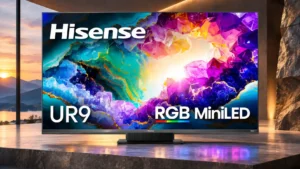
Strong native contrast combined with effective dimming produces impressively deep blacks and punchy highlights, although challenging scenes still reveal halos.
Pros: peak brightness, picture quality
Cons: value for money, color accuracy
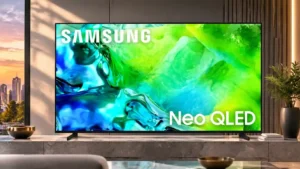
Local dimming creates pleasing depth in many films and games, although black-level limitations reduce the effect in difficult dark scenes.
Pros: picture quality, contrast ratio
Cons: blooming control, glare resistance
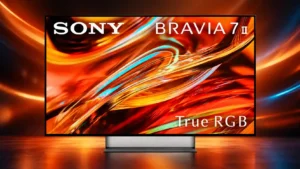
Contrast is generally strong, with bright highlights set against deep blacks, but OLED still produces cleaner absolute blacks and stronger pinpoint contrast in the toughest scenes.
Pros: overall satisfaction, picture quality
Cons: HDMI 2.1 port count, reflection handling
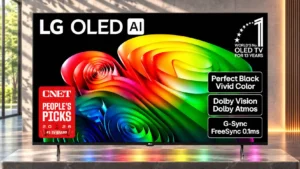
Self-lit pixels produce vivid contrast and distinct light-against-dark separation, though some tests found crushed shadow detail or raised blacks.
Pros: value for money, peak brightness
Cons: color accuracy, stand quality
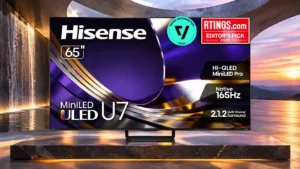
High native contrast and local dimming add depth, although OLEDs and some pricier Mini-LED alternatives are stronger in challenging darkness.
Pros: overall satisfaction, glare resistance
Cons: motion handling, viewing angles
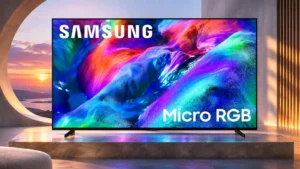
LCD contrast is generally convincing in darker scenes, but per-zone control cannot reproduce the absolute separation of OLED pixels.
Pros: overall satisfaction, color gamut
Cons: value for money, local dimming performance
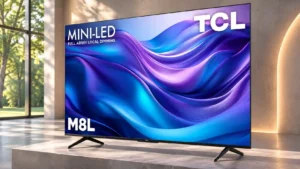
Local dimming gives this budget set decent picture depth and dark-scene contrast, though it remains short of higher-end TVs or OLED contrast.
Pros: value for money, overall satisfaction
Cons: HDR brightness
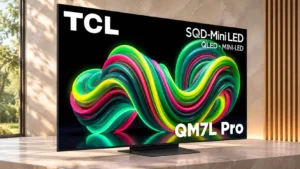
Dark movie scenes show convincing depth between light and dark areas, helped by deep black reproduction.
Pros: picture quality, black levels
Cons: viewing angles, motion clarity
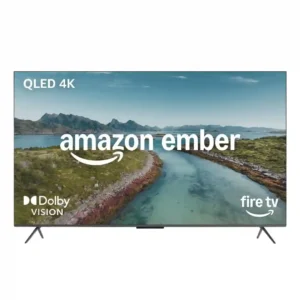
Local dimming gives the Ember useful contrast and dimensionality, and several reviews call it solid or strong. Dark-scene control still falls short of better Mini-LED or OLED displays.
Pros: picture quality, overall satisfaction
Cons: value for money, reliability
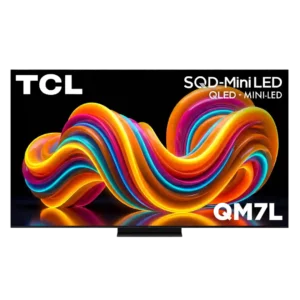
Contrast is generally strong for a midrange Mini-LED, creating punchy images and convincing depth. It still trails OLED and premium Mini-LED sets, and can look merely average in difficult scenes.
Pros: peak brightness, picture quality
Cons: color accuracy, viewing angles
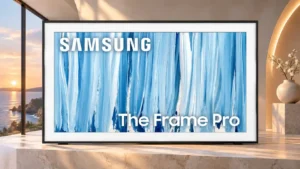
Deep blacks and contrast impressed some viewers, but instrumented testing found weak native contrast and ineffective edge-lit dimming.
Pros: cable management, design and appearance
Cons: value for money, Dolby Vision support
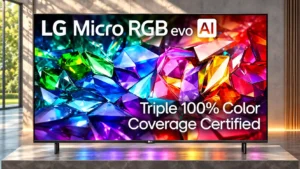
Deep blacks and bright highlights create impressive contrast for an LCD, but performance in tricky dark scenes does not consistently rival OLED.
Pros: peak brightness, picture quality
Cons: value for money, viewing angles
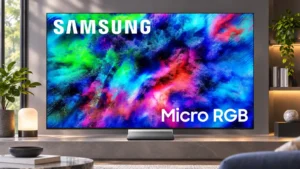
Deep blacks combined with intense highlights create strong contrast and depth in many scenes. Premium OLEDs can still look punchier and more three-dimensional.
Pros: color volume, overall satisfaction
Cons: value for money, color accuracy
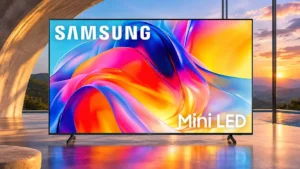
Native VA contrast can appear pleasing, yet the lack of local dimming leaves a washed-out picture in demanding dark scenes.
Pros: sound quality, picture quality
Cons: value for money, local dimming performance
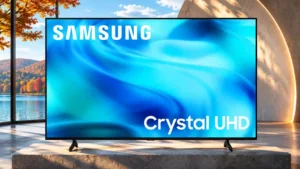
Some hands-on impressions praise an improvement over older cheap Samsungs, while measurements find weak contrast without local dimming.
Pros: white balance accuracy, design and appearance
Cons: overall satisfaction, value for money
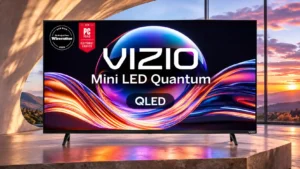
Native contrast is weak, with local dimming offering only partial relief. Dark scenes look flatter than on some budget competitors.
Pros: value for money, picture quality
Cons: account requirements, gaming performance
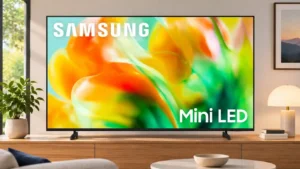
The VA panel offers serviceable native contrast, but the absence of local dimming prevents deep blacks and bright highlights from coexisting convincingly.
Pros: gaming performance, color accuracy
Cons: value for money, overall satisfaction
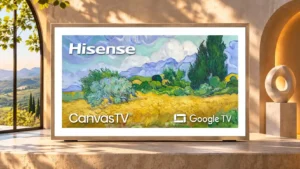
The edge-lit panel has relatively weak native contrast, making black levels elevated and dim scenes look flatter than on local-dimming or OLED TVs.
Pros: picture quality, color accuracy
Cons: HDR performance, sound quality
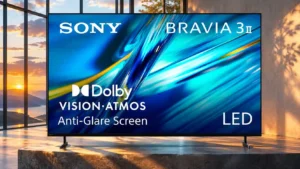
The lack of local dimming leaves dark scenes flatter than on many Mini LED rivals. Some users find the contrast acceptable with room lights on, especially on regional VA-panel versions.
Pros: HDMI 2.1 port count, overall satisfaction
Cons: HDR performance, bass performance
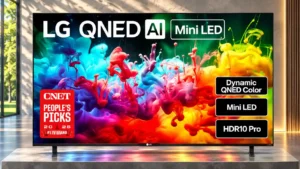
Black depth is a major divide: colorful scenes look contrasty to some, but very dark scenes turn gray and flat.
Pros: picture quality, color accuracy
Cons: remote control quality, black levels

Native panel contrast is respectable, but the lack of local dimming prevents truly dark backgrounds and bright highlights from appearing together convincingly.
Pros: art display mode, design and appearance
Cons: overall satisfaction, HDMI port accessibility
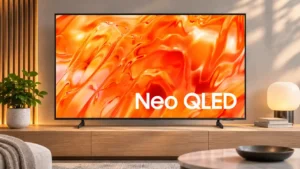
Dark-scene contrast is the central picture problem: the edge-lit dimming adds little black depth and can wash out nighttime imagery.
Pros: picture quality, overall satisfaction
Cons: sound quality, black levels

Dark-scene contrast is the biggest visual compromise: blacks often look gray and paintings can lack convincing texture. Some viewers find the image adequate for everyday shows, but it trails stronger-performing...
Pros: art display mode, picture quality
Cons: contrast ratio, high-refresh-rate gaming

Limited native contrast makes darker pictures look flat and washed out. The lack of localized backlight control compounds the issue.
Pros: design and appearance, maximum volume
Cons: picture quality, value for money