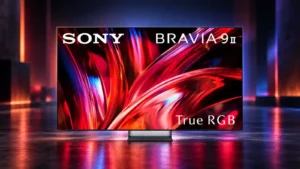
Picture quality earns near-universal praise for its blend of brightness, color, detail, contrast and Sony’s restrained processing.
Pros: overall satisfaction, overall image accuracy
Cons: value for money, bass performance

Picture quality earns near-universal praise for its blend of brightness, color, detail, contrast and Sony’s restrained processing.
Pros: overall satisfaction, overall image accuracy
Cons: value for money, bass performance
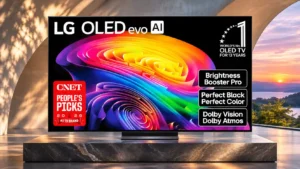
The large tandem OLED panel delivers striking, nearly flagship-level images with deep blacks, punchy HDR highlights, and rich colors. Uniformity and reflections are the main visual reservations.
Pros: gaming performance, HDR brightness
Cons: reflection handling, glare resistance
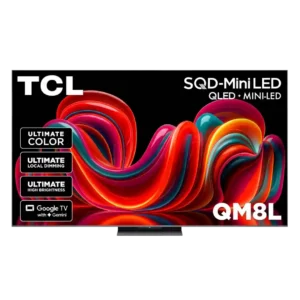
The QM8L produces a sharp, vibrant, high-impact picture that repeatedly drew flagship and OLED-adjacent comparisons. Fine detail, bright highlights, and deep dark areas give movies, sports, and games strong depth.
Pros: picture quality, value for money
Cons: stand quality, judder handling
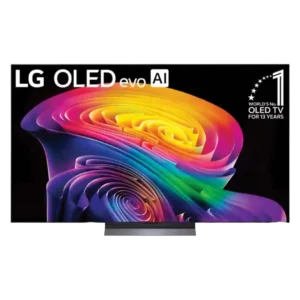
The C6 delivers a crisp, colorful, high-contrast image that looks excellent across movies, sports, streaming, and games. Standard-size models are refined rather than revolutionary, while the larger tandem-panel versions look...
Pros: picture quality, gaming performance
Cons: value for money, sound quality
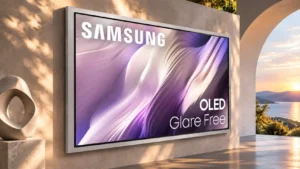
Brilliant HDR highlights, saturated colors, and OLED contrast deliver an exceptionally vivid picture. Some darker scenes need careful mode selection, and daylight can raise black levels.
Pros: picture quality, overall satisfaction
Cons: design and appearance, Dolby Vision support
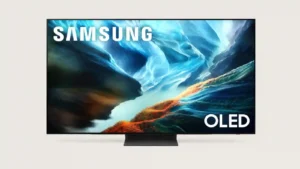
Picture quality is a major strength, with deep OLED contrast, rich color and crisp detail repeatedly standing out. The matte screen and some default modes can soften or exaggerate the...
Pros: glare resistance, black levels
Cons: Dolby Vision support, color gamut

Across movies, sports, games, SDR, and HDR, the G6 delivers a brilliant, cinematic image with deep blacks, rich color, and strong detail. Most criticism centers on firmware-specific flaws rather than...
Pros: picture quality, peak brightness
Cons: value for money, sound quality
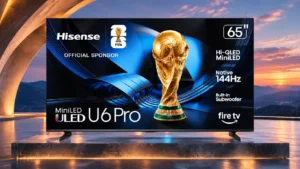
Vivid color, solid accuracy, deep blacks, and strong brightness create a compelling picture for the cost, with motion and uniformity the biggest weaknesses.
Pros: overall satisfaction, value for money
Cons: Smart TV platform, advertising intrusiveness
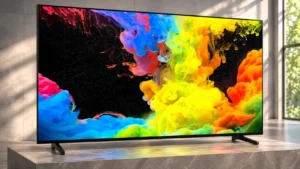
Natural colors, decent contrast and effective glare suppression create a pleasing everyday picture. Limits show up in difficult HDR and fast-motion scenes.
Pros: picture quality, black levels
Cons: bass performance, HDR brightness
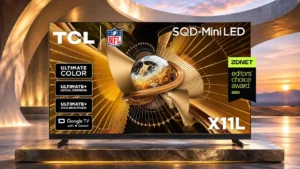
Pictures are intensely bright, vivid and detailed, with unusually deep contrast for an LCD. The strongest reservations concern motion rather than overall image impact.
Pros: peak brightness, blooming control
Cons: value for money, motion clarity
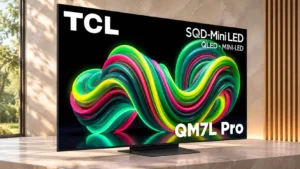
Color, contrast and fine detail make a powerful impression, but the image becomes less convincing from the sides and during fast action.
Pros: picture quality, black levels
Cons: viewing angles, motion clarity
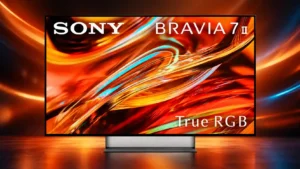
Picture quality is the core attraction: vivid but controlled color, deep blacks, sharp detail and strong processing create a refined, dimensional image. A few critics prefer OLED or rival RGB...
Pros: overall satisfaction, picture quality
Cons: HDMI 2.1 port count, reflection handling
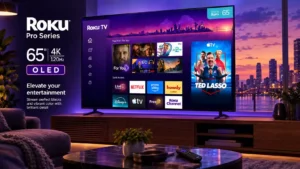
OLED blacks, natural colors, and detailed imagery make a strong impression. Dark rooms suit the picture best, while ambient light reduces the impact of moody scenes.
Pros: contrast ratio, value for money
Cons: peak brightness, HDR brightness
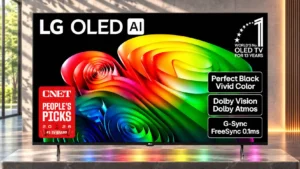
Rich colors, clean details and deep OLED contrast make the B6 attractive for films and games. Some tests expose green tint and darker-scene inconsistencies.
Pros: value for money, peak brightness
Cons: color accuracy, stand quality
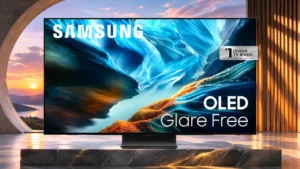
Deep blacks, natural color and rich highlights give this 77-inch screen an excellent overall image.
Pros: black levels, contrast ratio
Cons: Dolby Vision support, stutter handling
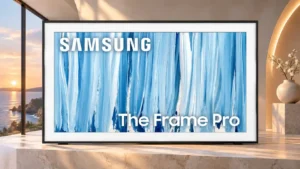
Color accuracy and daytime sharpness are strong for an art-focused TV, but deeper cinema contrast and motion quality trail traditional premium sets.
Pros: cable management, design and appearance
Cons: value for money, Dolby Vision support
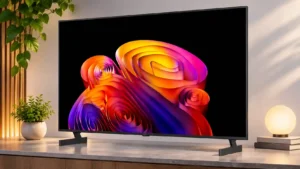
OLED blacks, vivid colors and sharp texture make an excellent overall image, tempered by some color inconsistency and modest daylight performance.
Pros: contrast ratio, black levels
Cons: reflection handling, color accuracy
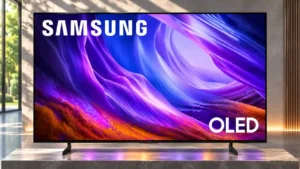
Perfect blacks, punchy color and crisp textures give the S85H a compelling picture for its price. Premium OLEDs can look brighter, more natural and more finely detailed.
Pros: black levels, picture quality
Cons: glare resistance, reflection handling
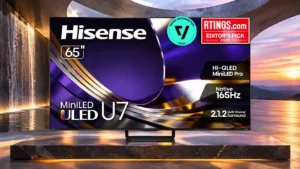
The screen gives vivid color, crisp detail and a bright image for the money, but uniformity and the accuracy of some presets vary.
Pros: overall satisfaction, glare resistance
Cons: motion handling, viewing angles
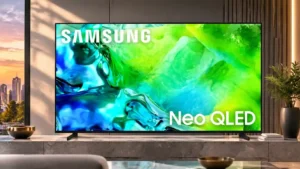
Rich color, good everyday contrast and sharp images make a strong impression, but viewing angle, glare and motion flaws prevent a clean sweep.
Pros: picture quality, contrast ratio
Cons: blooming control, glare resistance
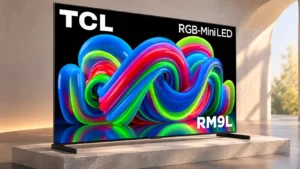
The best scenes look spectacularly bright, colorful, and three-dimensional. Some lower-quality content, color errors, and inconsistent processing stop the performance from being uniformly excellent.
Pros: picture quality, overall satisfaction
Cons: color crosstalk, value for money
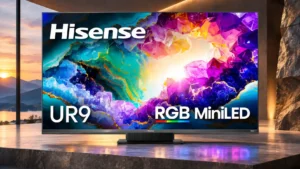
The UR9SG is vivid, bright and often spectacular, though its picture can lack the consistent polish of premium OLED and some LED rivals.
Pros: peak brightness, picture quality
Cons: value for money, color accuracy
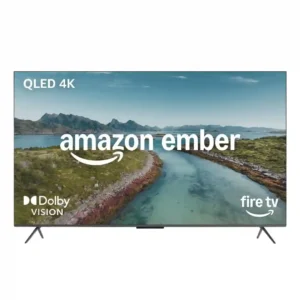
Most owners and several reviewers like the crisp, colorful picture, especially for everyday streaming and 4K viewing. Critical reviews still find it behind good Mini-LED rivals in accuracy, contrast, and...
Pros: picture quality, overall satisfaction
Cons: value for money, reliability
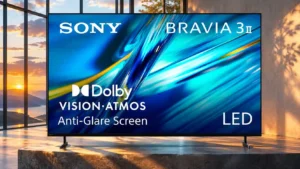
Natural color and fine-detail processing make ordinary shows and daytime films pleasing to watch. More critical assessments find washed-out blacks and insufficient highlight punch on the 65-inch IPS model.
Pros: HDMI 2.1 port count, overall satisfaction
Cons: HDR performance, bass performance
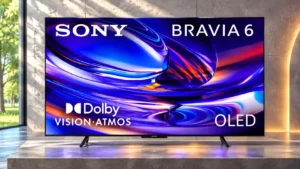
In the right room the OLED delivers beautiful blacks and attractive colors. Bright scenes, reflections, and weaker image processing prevent it from matching the best similarly priced TVs.
Pros: HDMI 2.1 port count, Video input versatility
Cons: value for money, overall satisfaction
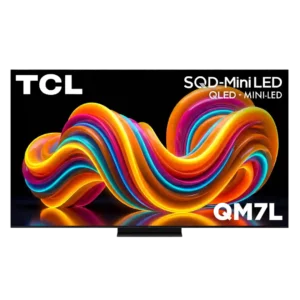
The QM7L usually produces vivid, premium-looking images with strong detail and depth. Its default picture can also appear washed out and unattractive, making careful mode selection important.
Pros: peak brightness, picture quality
Cons: color accuracy, viewing angles
Buyers are impressed by clarity and natural colors, but weaker contrast, HDR impact and motion keep the picture from competing with better-priced rivals.
Pros: picture quality, overall satisfaction
Cons: sound quality, black levels
Bright color and good processing create an appealing image, but color spill, blooming and off-axis issues keep it from consistent flagship quality.
Pros: overall satisfaction, color gamut
Cons: value for money, local dimming performance
Rich color and a bright, large picture exceed many bargain-TV expectations, but dark scenes, motion, and processing are much less polished.
Pros: value for money, picture quality
Cons: account requirements, gaming performance
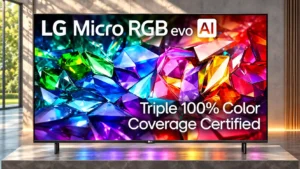
The huge, vivid picture can be dazzling, especially after adjustment, but inconsistent accuracy and LCD limitations divide assessments.
Pros: peak brightness, picture quality
Cons: value for money, viewing angles
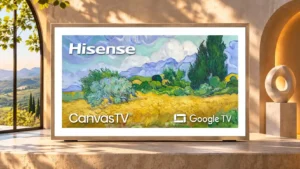
Picture quality ranges from very good for everyday bright content to basic under critical tests, particularly when deep blacks and fast motion matter.
Pros: picture quality, color accuracy
Cons: HDR performance, sound quality
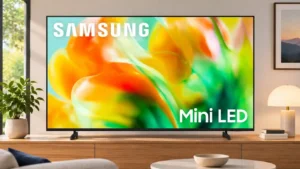
SDR can look clean, colorful and natural compared with budget Samsungs, but the lack of local dimming and low brightness cap overall image quality.
Pros: gaming performance, color accuracy
Cons: value for money, overall satisfaction
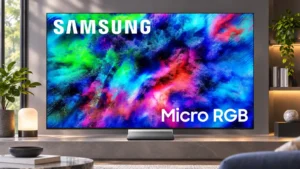
Its best scenes combine intense color, deep LCD blacks and striking highlights. Others can look flat, overprocessed or less convincing than similarly priced OLED screens.
Pros: color volume, overall satisfaction
Cons: value for money, color accuracy
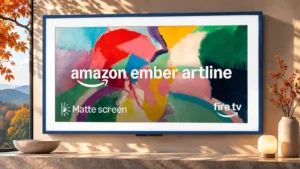
Picture assessments range from enthusiastic approval of bright, colorful daily viewing to serious criticism of motion and processing. It looks far stronger as decorative art than as a performance-first TV.
Pros: art display mode, picture quality
Cons: contrast ratio, high-refresh-rate gaming
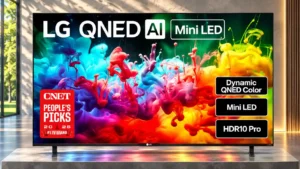
Colorful, sharp 4K content can look pleasing, particularly in favorable lighting, but washed-out blacks and low brightness keep the image from looking truly impressive.
Pros: picture quality, color accuracy
Cons: remote control quality, black levels
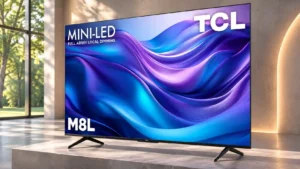
The expansive 4K picture can look rich and vibrant, but dim HDR highlights, inconsistent uniformity and blurry fast action hold it back.
Pros: value for money, overall satisfaction
Cons: HDR brightness
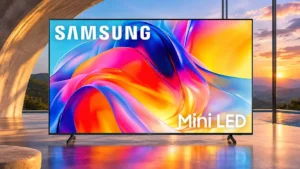
The image impresses some everyday owners with clear details and punchy colors, yet controlled testing exposes washed-out blacks and weak brightness.
Pros: sound quality, picture quality
Cons: value for money, local dimming performance

The image can look crisp and pleasing on first impression, and HD detail is strong. Weak contrast, limited brightness, and flat-looking HDR keep the overall picture behind stronger alternatives.
Pros: design and appearance, maximum volume
Cons: picture quality, value for money

The picture is acceptable for everyday SDR viewing and sharp scaling, but underwhelming HDR contrast and patchy uniformity are hard to overlook at this price.
Pros: art display mode, design and appearance
Cons: overall satisfaction, HDMI port accessibility
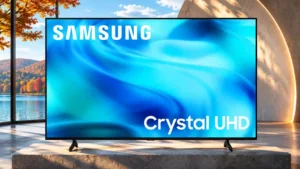
The picture can look colorful and pleasant at its price, yet dimness, inaccurate saturated color and poor dark-scene contrast are major limits.
Pros: white balance accuracy, design and appearance
Cons: overall satisfaction, value for money