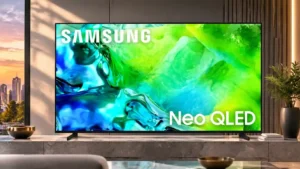
Popular streaming movies and series benefit from crisp upscaling and engaging HDR, with less success on extremely demanding masters.
Pros: picture quality, contrast ratio
Cons: blooming control, glare resistance

Popular streaming movies and series benefit from crisp upscaling and engaging HDR, with less success on extremely demanding masters.
Pros: picture quality, contrast ratio
Cons: blooming control, glare resistance
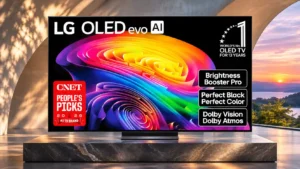
Strong compression clean-up improves ordinary streams, while higher-quality HDR series benefit from OLED contrast.
Pros: gaming performance, HDR brightness
Cons: reflection handling, glare resistance

High-quality streamed movies and shows benefit from exceptional punch, while badly compressed sources reveal more limits.
Pros: peak brightness, blooming control
Cons: value for money, motion clarity
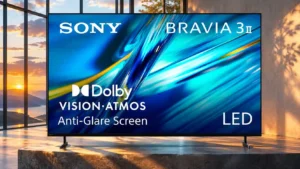
Google TV, clean SDR reproduction and Sony’s processing make mainstream streaming a strong everyday use. Darker HDR films are less convincing than on models with local dimming.
Pros: HDMI 2.1 port count, overall satisfaction
Cons: HDR performance, bass performance
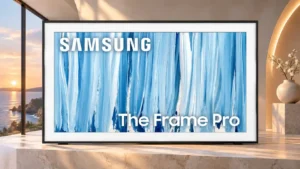
Streams can look clean, vibrant and sharp, particularly in daylight; dim cinema scenes are more variable.
Pros: cable management, design and appearance
Cons: value for money, Dolby Vision support
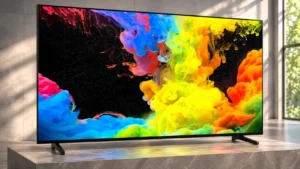
The Fire TV apps are easy to reach and lower-quality streams are cleaned up well, making everyday viewing a strength.
Pros: picture quality, black levels
Cons: bass performance, HDR brightness
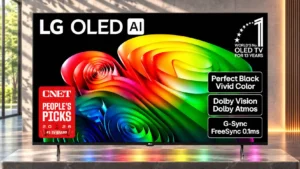
Dolby Vision films and series look rich, and major streaming apps are available. A darkened room shows the picture at its best.
Pros: value for money, peak brightness
Cons: color accuracy, stand quality
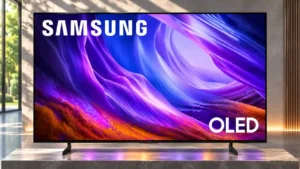
Streaming apps are straightforward and OLED contrast makes high-quality streams attractive. Low-quality video can still show some softness or compression artifacts.
Pros: black levels, picture quality
Cons: glare resistance, reflection handling
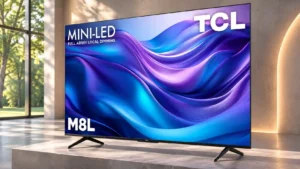
Everyday streaming is enjoyable with a rich picture and built-in Fire TV access, although the app selection is not exhaustive.
Pros: value for money, overall satisfaction
Cons: HDR brightness
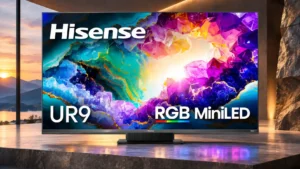
Premium streams look vivid and detailed, while heavily compressed content and picture presets benefit from extra tuning.
Pros: peak brightness, picture quality
Cons: value for money, color accuracy
Dolby Vision streams look especially vivid in darker rooms, with strong OLED blacks and dependable app access.
Pros: contrast ratio, black levels
Cons: reflection handling, color accuracy

High-quality streams have vibrant HDR and detailed processing, with only occasional app or source-dependent frustrations.
Pros: overall satisfaction, glare resistance
Cons: motion handling, viewing angles
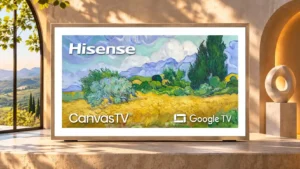
Google TV makes streaming convenient and brighter programs look good; difficult dark scenes are a weaker part of the experience.
Pros: picture quality, color accuracy
Cons: HDR performance, sound quality
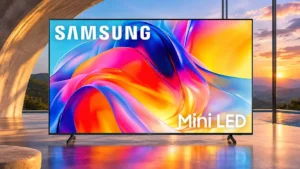
A wide choice of streaming apps and clear 4K video make everyday shows a good fit, particularly in a room without strong glare.
Pros: sound quality, picture quality
Cons: value for money, local dimming performance

Streaming benefits from a bright, colorful picture and broad app support, making it more predictable than fast-action viewing.
Pros: overall satisfaction, value for money
Cons: Smart TV platform, advertising intrusiveness
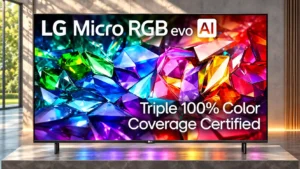
Streaming content looks vividly colorful and some lower-quality sources clean up surprisingly well, with the same dark-scene and tuning caveats as other viewing.
Pros: peak brightness, picture quality
Cons: value for money, viewing angles
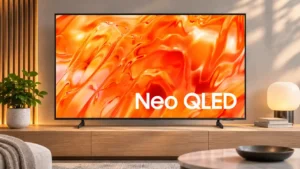
Major streaming services are easy to access, and owners like the clear image. Highly compressed streams can still expose weak noise processing.
Pros: picture quality, overall satisfaction
Cons: sound quality, black levels
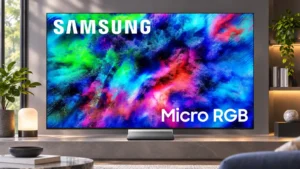
Popular apps are readily accessible, and colorful movies look engaging. Some darker dramas are less convincing until picture settings are adjusted.
Pros: color volume, overall satisfaction
Cons: value for money, color accuracy
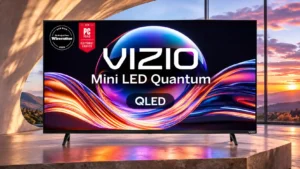
Major streaming services and vivid HDR imagery are available, though apps are limited and external streaming hardware may feel more dependable.
Pros: value for money, picture quality
Cons: account requirements, gaming performance
Streaming is detailed and convenient, but imperfect artifact cleanup and a smoother-processing LG rival limit its appeal for low-grade sources.
Pros: black levels, contrast ratio
Cons: Dolby Vision support, stutter handling

Apps and lower-resolution streaming look good in everyday use. Dramatic HDR movies reveal limited contrast and brightness.
Pros: art display mode, design and appearance
Cons: overall satisfaction, HDMI port accessibility
A capable smart-TV platform makes streaming simple, but picture-first viewers may prefer the better HDR and color volume of Neo QLED models.
Pros: gaming performance, color accuracy
Cons: value for money, overall satisfaction