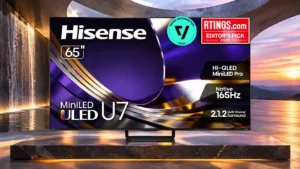
High peak brightness and advanced HDR formats make games vivid, although shadow transitions can still smear during action.
Pros: overall satisfaction, glare resistance
Cons: motion handling, viewing angles

High peak brightness and advanced HDR formats make games vivid, although shadow transitions can still smear during action.
Pros: overall satisfaction, glare resistance
Cons: motion handling, viewing angles
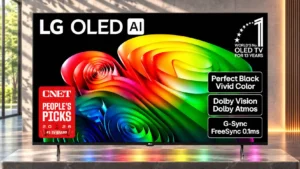
Games benefit from bright OLED highlights and Dolby Vision support, with strong visual detail during fast action.
Pros: value for money, peak brightness
Cons: color accuracy, stand quality

Bright in-game highlights look lively, with Dolby Vision gaming support complementing the low-latency presentation.
Pros: contrast ratio, black levels
Cons: reflection handling, color accuracy
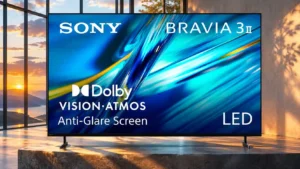
4K/120Hz, VRR and automatic PlayStation HDR optimization make games visually polished and responsive. Dark-scene limitations are still noticeable in the most demanding titles.
Pros: HDMI 2.1 port count, overall satisfaction
Cons: HDR performance, bass performance
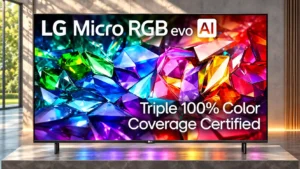
Neon lighting, underwater colors and other bright game environments look spectacular, particularly after selecting the right picture mode.
Pros: peak brightness, picture quality
Cons: value for money, viewing angles

HDR games can look spectacular because bright objects stand out from deep dark scenery, though motion and tone-mapping settings matter.
Pros: peak brightness, blooming control
Cons: value for money, motion clarity
HDR peak brightness remains intact in Game Mode, making responsive gaming visually impressive.
Pros: black levels, contrast ratio
Cons: Dolby Vision support, stutter handling

Bright highlights and OLED blacks make games pop, but Dolby Vision Game Mode and maximum PC refresh can compromise fidelity.
Pros: gaming performance, HDR brightness
Cons: reflection handling, glare resistance
The display's immense highlight brightness and saturated color give games dramatic impact, although some default game presets need correction.
Pros: picture quality, overall satisfaction
Cons: design and appearance, Dolby Vision support
Bright HDR visuals and console features make games compelling, although inconsistent settings and shadow blur are drawbacks.
Pros: peak brightness, picture quality
Cons: value for money, color accuracy
Games benefit from bright highlights and detailed dark environments, but the most accurate gaming tone-mapping behavior is not always ideal.
Pros: picture quality, contrast ratio
Cons: blooming control, glare resistance
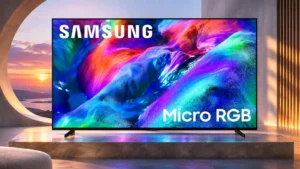
Vivid color and high-refresh support give HDR games strong impact, though Dolby Vision gaming is not supported.
Pros: overall satisfaction, color gamut
Cons: value for money, local dimming performance
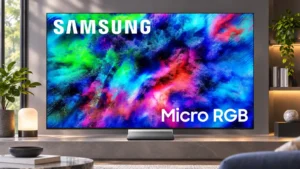
HDR games gain dramatic color and brightness, although night play can feel overly intense and Game Mode tone mapping may need adjustments.
Pros: color volume, overall satisfaction
Cons: value for money, color accuracy
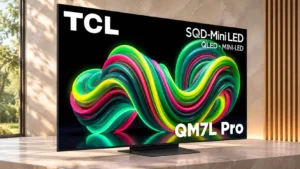
HDR punch, VRR and multiple fast HDMI connections make the TV versatile for modern games. Blur during action remains the tradeoff.
Pros: picture quality, black levels
Cons: viewing angles, motion clarity
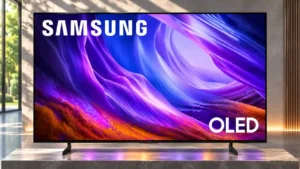
OLED contrast makes HDR games punchy and deep, but missing Dolby Vision and limited highlight brightness hold back the most demanding titles.
Pros: black levels, picture quality
Cons: glare resistance, reflection handling
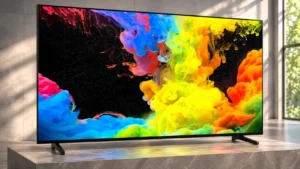
Dolby Vision gaming and an unchanged HDR peak in Game mode are useful, but modest peak brightness limits the full HDR effect.
Pros: picture quality, black levels
Cons: bass performance, HDR brightness

Game Mode still has impressive peak brightness, but accurate gaming settings can make real HDR content markedly dimmer than standard viewing modes.
Pros: picture quality, overall satisfaction
Cons: color crosstalk, value for money