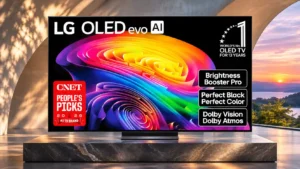
The C6H is an excellent PS5 and Xbox partner with 4K/120Hz, HDR and VRR support alongside extremely fast pixel response.
Pros: gaming performance, HDR brightness
Cons: reflection handling, glare resistance

The C6H is an excellent PS5 and Xbox partner with 4K/120Hz, HDR and VRR support alongside extremely fast pixel response.
Pros: gaming performance, HDR brightness
Cons: reflection handling, glare resistance
Current PlayStation and Xbox systems benefit from 4K/120Hz, VRR, and automatic low-latency mode; Dolby Vision gaming is absent.
Pros: picture quality, overall satisfaction
Cons: design and appearance, Dolby Vision support

Modern consoles enjoy low latency, 4K/120Hz support and strong HDR; motion clarity still trails OLED.
Pros: peak brightness, blooming control
Cons: value for money, motion clarity
Modern PlayStation and Xbox consoles can make full use of low lag, 4K at 120Hz and variable refresh rate, aside from missing Dolby Vision gaming.
Pros: black levels, contrast ratio
Cons: Dolby Vision support, stutter handling
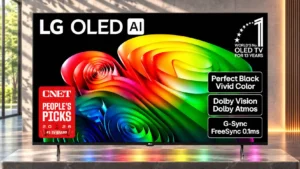
Four modern HDMI ports, 4K/120Hz and very low input lag make the B6 a natural fit for current game consoles.
Pros: value for money, peak brightness
Cons: color accuracy, stand quality
PS5 and Xbox players benefit from 4K/120Hz, VRR, low input lag and four HDMI 2.1 ports—an especially compelling combination at this price.
Pros: contrast ratio, black levels
Cons: reflection handling, color accuracy
Responsive controls, VRR and high-bandwidth HDMI make modern consoles a strong match; the smaller 50-inch variant gives up some higher-end gaming capabilities.
Pros: picture quality, contrast ratio
Cons: blooming control, glare resistance
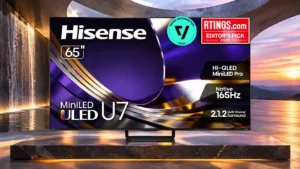
The set works well with the major PS5 and Xbox output modes, including 4K/120Hz, VRR and automatic low latency.
Pros: overall satisfaction, glare resistance
Cons: motion handling, viewing angles
PS5 and Xbox players receive 4K120, VRR and automatically activated low latency. Xbox users lose Dolby Vision gaming.
Pros: black levels, picture quality
Cons: glare resistance, reflection handling
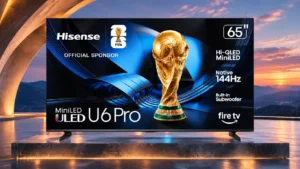
Modern PlayStation and Xbox features are well supported and most console impressions are positive; long pixel transitions can still blur fast motion.
Pros: overall satisfaction, value for money
Cons: Smart TV platform, advertising intrusiveness
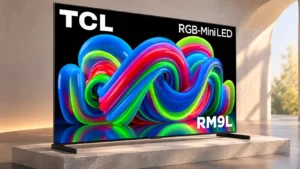
PS5 and Xbox hardware can use 4K/120Hz, VRR, automatic low-latency mode, and a generous set of HDMI ports. The picture adds unusual scale to console adventures.
Pros: picture quality, overall satisfaction
Cons: color crosstalk, value for money
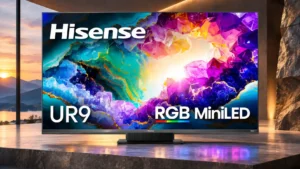
PS5 and Xbox gaming enjoy 4K/120Hz, responsive input and vibrant HDR, but motion smearing is more apparent than on the best OLED gaming screens.
Pros: peak brightness, picture quality
Cons: value for money, color accuracy
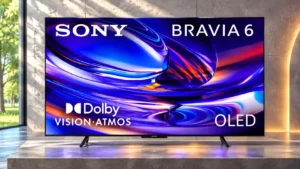
This is a strong setup for multiple PlayStation and Xbox consoles: all four ports can handle 4K/120Hz and control response is quick. Console support is slightly limited by the absence...
Pros: HDMI 2.1 port count, Video input versatility
Cons: value for money, overall satisfaction
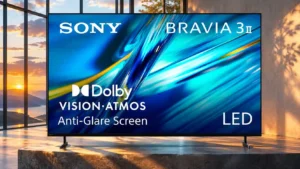
Four 4K/120Hz HDMI inputs, VRR, ALLM and PlayStation features create an unusually convenient console setup. Motion blur in 60Hz games and missing 1440p input support are the caveats.
Pros: HDMI 2.1 port count, overall satisfaction
Cons: HDR performance, bass performance

PS5 and Xbox Series X|S compatibility is extensive, including 4K 120Hz and VRR. Serious fast-action players should account for the smearing.
Pros: picture quality, color accuracy
Cons: HDR performance, sound quality
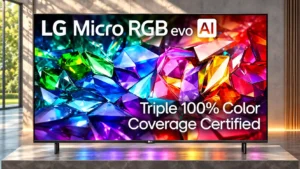
Modern Xbox and PlayStation consoles enjoy broad 4K/120, VRR and game-mode compatibility, with responsive controls and punchy colors despite differing views on motion blur.
Pros: peak brightness, picture quality
Cons: value for money, viewing angles
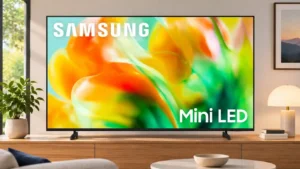
Responsive 4K/120Hz signals, VRR and a full Game Bar make this a strong features-first console option, despite weak HDR and disputed motion clarity.
Pros: gaming performance, color accuracy
Cons: value for money, overall satisfaction
PS5 and Xbox compatibility is broad and controls feel responsive. Smoothness impressions vary because of the panel's blur in demanding scenes.
Pros: picture quality, black levels
Cons: bass performance, HDR brightness
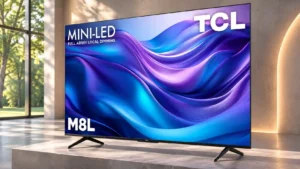
Support for PlayStation and Xbox 4K/120Hz, VRR and automatic low-latency modes is excellent. Blurry pixel response stops it from being an uncompromised gaming display.
Pros: value for money, overall satisfaction
Cons: HDR brightness

PS5 and Xbox players get low lag, 4K/120Hz, VRR and automatic game switching. Motion blur and restrained HDR keep it from being a top-tier gaming TV.
Pros: art display mode, design and appearance
Cons: overall satisfaction, HDMI port accessibility
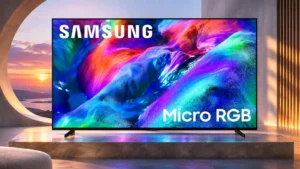
PlayStation and Xbox compatibility is strong, including 4K/120Hz and VRR, but some testers find fast movement blurrier than expected.
Pros: overall satisfaction, color gamut
Cons: value for money, local dimming performance

High-resolution console modes and VRR work, yet testers disagree on how responsive gaming feels over the wireless box.
Pros: cable management, design and appearance
Cons: value for money, Dolby Vision support
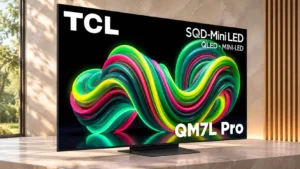
Modern Xbox and PlayStation features work well, and four HDMI 2.1 inputs suit a household with multiple consoles. Slow pixel changes make fast games softer than expected.
Pros: picture quality, black levels
Cons: viewing angles, motion clarity
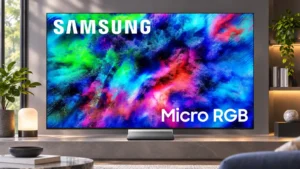
PS5 and Xbox play smoothly with low input lag, 4K/120Hz and variable refresh support. Some game presets need color or brightness adjustments.
Pros: color volume, overall satisfaction
Cons: value for money, color accuracy
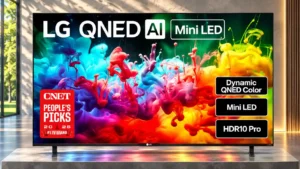
Standard 60fps console play can be enjoyable, but buyers wanting native 4K/120Hz should look elsewhere.
Pros: picture quality, color accuracy
Cons: remote control quality, black levels