#1
Gaming is the QNED92A’s clearest strength: four capable HDMI ports, low lag, and high refresh support make games responsive and fluid. Dark-pixel smearing and occasional HDR oddities are the main...
Pros: gaming performance, overall satisfaction
Cons: sound quality, value for money
#2
Gaming is a major strength across the set of reviews, with low lag, high refresh rates, strong HDR color, and responsive play repeatedly praised. Even the more cautious source still...
Pros: overall satisfaction, value for money
Cons: smart TV platform, blooming control
#3
Low lag and 4K high-refresh support impress, balanced against slower dark transitions on some tested panels.
Pros: peak brightness, HDR brightness
Cons: sound quality, viewing angles
#4
Four fast HDMI inputs, low lag and broad console compatibility are major advantages, tempered by motion blur in challenging games.
Pros: picture quality, 4K at 144 Hz support
Cons: sound quality, value for money
#5
Low input lag, VRR and 144Hz support excite buyers, but slow pixel transitions undermine the experience in fast-moving titles.
Pros: overall satisfaction, picture quality
Cons: Weight and handling, black levels
#6
Four full-bandwidth HDMI 2.1 ports, low input lag and broad VRR support are strong assets. However, dark-object blur and gaming HDR tone-mapping issues limit competitive play.
Pros: Large-screen immersion, overall satisfaction
Cons: value for money, black levels
#7
Fast pixels, high refresh and low lag make this a capable gaming OLED, especially when the correct HDMI ports are used.
Pros: overall satisfaction, picture quality
Cons: size options, value for money
#8
Gaming is the clearest strength thanks to rapid inputs, VRR and high-refresh modes, though fast pixels and dark-game contrast are weaker.
Pros: picture quality, value for money
Cons: viewing angles, HDR performance
#9
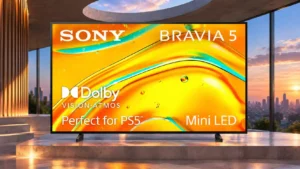
Modern console titles look vibrant and feel responsive, yet motion smearing and the 120Hz ceiling keep it short of dedicated gaming leaders.
Pros: picture quality, black levels
Cons: HDR brightness, value for money
#10
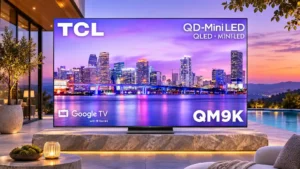
Powerful HDR, low input lag and modern gaming modes make it a strong gaming TV. Motion smearing, occasional tearing or firmware quirks temper its appeal for the most demanding players.
Pros: peak brightness, overall satisfaction
Cons: value for money, shadow detail
#11
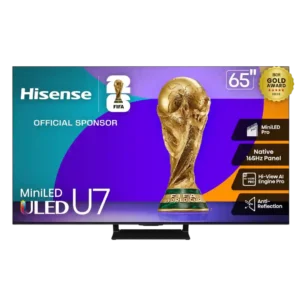
Gaming is a major strength overall thanks to low lag, high refresh rates, and strong HDR impact, but motion smearing and VRR quirks divide reviewers.
Pros: overall satisfaction, picture quality
Cons: reliability, build quality
#12
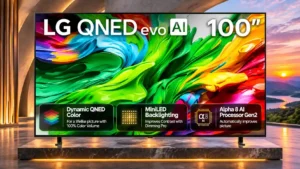
Gaming connectivity and responsiveness are strong selling points, but there is a pronounced disagreement about how clean moving objects look in dark scenes.
Pros: picture quality, maximum volume
Cons: sound quality, bass performance
#13
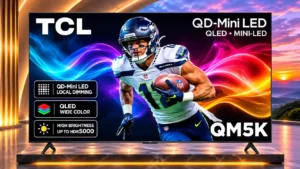
Exceptionally low input lag and useful gaming controls make this a lively budget gaming TV, with native 4K speed and Game Master HDR brightness as limits.
Pros: black levels, picture quality
Cons: HDR performance, blooming control
#14
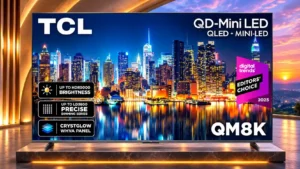
High-refresh 4K, low latency, and variable refresh rate make gaming enjoyable, with some caveats around motion blur and port availability.
Pros: peak brightness, picture quality
Cons: HDMI 2.1 port count, reflection handling
#15
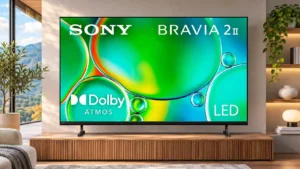
Low lag and smooth 4K/60 console play win praise; the slower pixel response, lack of VRR and absence of 120 Hz limit its gaming ceiling.
Pros: picture quality, overall satisfaction
Cons: sound quality, reliability
#16
Console gaming is good overall, especially on PS5, but only two HDMI 2.1 inputs, a 120Hz ceiling and weaker PC-oriented features keep it behind the best gaming TVs.
Pros: gaming performance, peak brightness
Cons: HDMI 2.1 support, HDMI 2.1 port count
#17
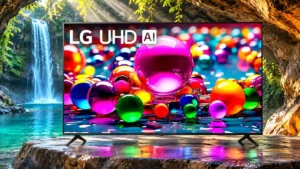
Gaming feels responsive to some players, while slow pixel transitions and the 60Hz cap hold back more demanding play.
Pros: viewing angles, smart TV platform
Cons: overall satisfaction, refresh rate
#18
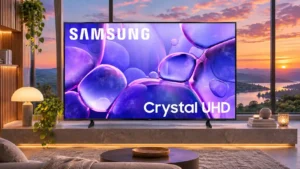
Casual 60fps play is responsive enough, but motion blur and restricted image performance keep gaming from being a standout strength.
Pros: color accuracy, upscaling quality
Cons: picture quality, sound quality
#19
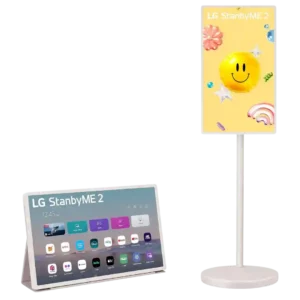
Gaming is considered suitable for casual play, including handheld-console use, but not for fast competitive titles. The display is better treated as a flexible entertainment screen than a dedicated gaming...
Pros: overall satisfaction, portability and versatility
Cons: value for money, menu responsiveness
#20
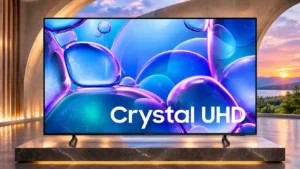
Low input lag keeps controls responsive at 60Hz, but blurry motion, restricted VRR and missing high-refresh modes limit serious gaming appeal.
Pros: picture quality, smart TV platform
Cons: value for money, refresh rate
