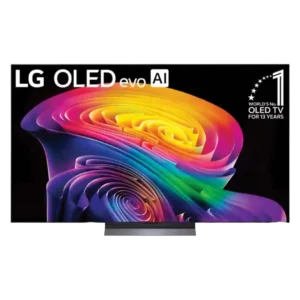
Pixel-level lighting produces superb contrast, with bright highlights standing cleanly against dark backgrounds and plenty of depth in cinematic scenes.
Pros: picture quality, gaming performance
Cons: value for money, sound quality

Pixel-level lighting produces superb contrast, with bright highlights standing cleanly against dark backgrounds and plenty of depth in cinematic scenes.
Pros: picture quality, gaming performance
Cons: value for money, sound quality
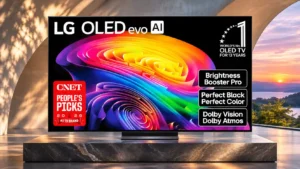
The essentially infinite contrast lets bright objects sit next to pitch-black areas without compromising the image.
Pros: gaming performance, HDR brightness
Cons: reflection handling, glare resistance

Perfect OLED blacks beside intense highlights create exceptional depth and punch. This remains a standout advantage in both dark and bright rooms.
Pros: picture quality, peak brightness
Cons: value for money, sound quality
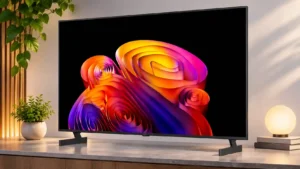
Near-infinite OLED contrast brings deep blacks and expressive highlights to films and games, particularly in darker rooms.
Pros: contrast ratio, black levels
Cons: reflection handling, color accuracy
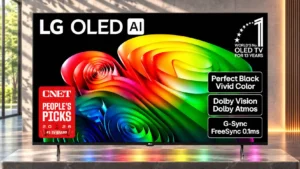
Self-lit pixels produce vivid contrast and distinct light-against-dark separation, though some tests found crushed shadow detail or raised blacks.
Pros: value for money, peak brightness
Cons: color accuracy, stand quality
Deep blacks and bright highlights create impressive contrast for an LCD, but performance in tricky dark scenes does not consistently rival OLED.
Pros: peak brightness, picture quality
Cons: value for money, viewing angles
Black depth is a major divide: colorful scenes look contrasty to some, but very dark scenes turn gray and flat.
Pros: picture quality, color accuracy
Cons: remote control quality, black levels

Limited native contrast makes darker pictures look flat and washed out. The lack of localized backlight control compounds the issue.
Pros: design and appearance, maximum volume
Cons: picture quality, value for money