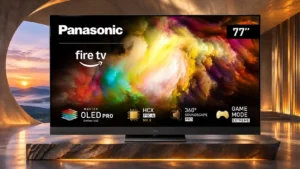
Near-infinite OLED contrast delivers exceptional separation of light and dark in the same frame.
Pros: overall satisfaction, picture quality
Cons: size options, value for money

Near-infinite OLED contrast delivers exceptional separation of light and dark in the same frame.
Pros: overall satisfaction, picture quality
Cons: size options, value for money
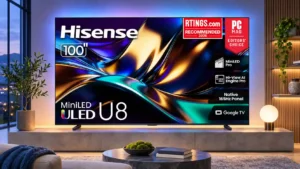
The combination of bright highlights and dark local-dimmed shadows creates a dramatic image, though no LCD matches OLED's pixel-level black control.
Pros: peak brightness, HDR brightness
Cons: sound quality, viewing angles
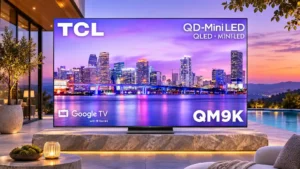
Powerful contrast makes bright objects pop against dark backgrounds. The refinement is not uniform across all HDR scenes, and OLED still offers stronger pixel-level control.
Pros: peak brightness, overall satisfaction
Cons: value for money, shadow detail
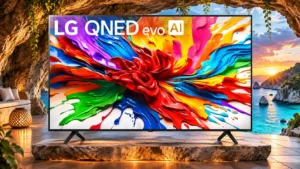
Mini LED dimming creates striking separation between luminous highlights and dark backgrounds. The strongest scenes look remarkably close to premium LCD competitors.
Pros: gaming performance, overall satisfaction
Cons: sound quality, value for money
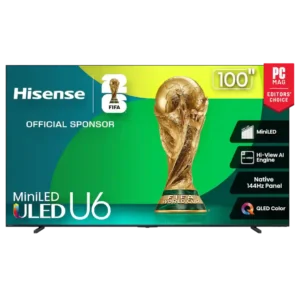
Contrast is a major strength, helped by mini-LED local dimming and bright highlights. Dark-versus-bright scenes often look punchy and dimensional for the price.
Pros: overall satisfaction, value for money
Cons: smart TV platform, blooming control
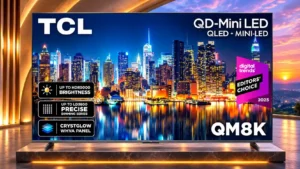
Strong contrast gives bright objects depth against near-black backgrounds. The result approaches OLED in many scenes without matching pixel-level control.
Pros: peak brightness, picture quality
Cons: HDMI 2.1 port count, reflection handling
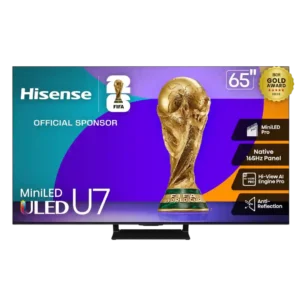
Contrast is a standout strength once local dimming is active, giving bright highlights strong separation from dark backgrounds.
Pros: overall satisfaction, picture quality
Cons: reliability, build quality
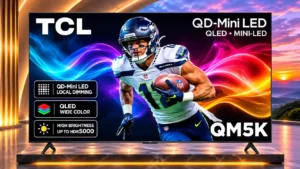
Contrast is a genuine step above basic LED televisions, lending dark scenes more depth; complicated images expose some backlight compromises.
Pros: black levels, picture quality
Cons: HDR performance, blooming control
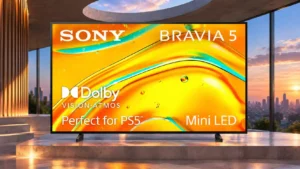
Mini LED dimming delivers strong everyday contrast, although competing premium panels can go much deeper in complex dark scenes. The 98-inch version has a clear contrast advantage over the 65-inch.
Pros: picture quality, black levels
Cons: HDR brightness, value for money
Contrast is excellent in favorable lighting, combining deep blacks with bright highlights, though the screen coating can reduce perceived contrast in bright rooms.
Pros: gaming performance, peak brightness
Cons: HDMI 2.1 support, HDMI 2.1 port count
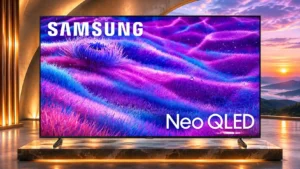
Contrast impressions range from solid to mediocre. Detailed measurements found raised blacks that reduce depth in dark scenes.
Pros: Large-screen immersion, overall satisfaction
Cons: value for money, black levels
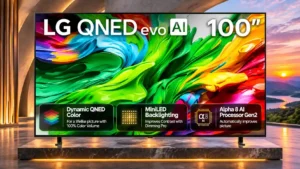
Contrast is one of the most divisive results: Consumer Reports found good depth on larger sets, while other testing criticized raised blacks and limited precision.
Pros: picture quality, maximum volume
Cons: sound quality, bass performance
Native contrast is acceptable for the price, yet the lack of local dimming makes dark scenes visibly weaker than better TVs.
Pros: picture quality, value for money
Cons: viewing angles, HDR performance
The native panel has reasonable contrast, yet its coarse edge-lit dimming struggles to separate bright objects from dark surroundings.
Pros: picture quality, 4K at 144 Hz support
Cons: sound quality, value for money
Contrast is more convincing in some VA-panel tests than in IPS examples, yet still lacks the separation and depth of stronger backlit TVs.
Pros: color accuracy, upscaling quality
Cons: picture quality, sound quality
Local contrast is constrained by the absence of dimming zones, leaving letterbox bars and dark scenes washed out. Some basic depth remains, but this is not a strong dark-room display.
Pros: picture quality, smart TV platform
Cons: value for money, refresh rate
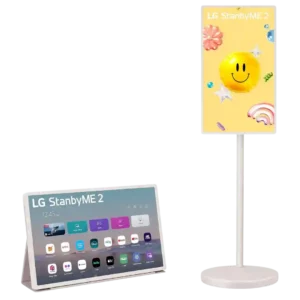
The edge-lit LCD struggles with precise contrast, especially when bright and dark areas share the frame. This is one reason reviewers do not see it as a substitute for a...
Pros: overall satisfaction, portability and versatility
Cons: value for money, menu responsiveness
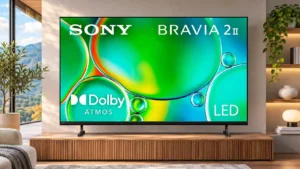
Weak native contrast is especially obvious with dark movie scenes and letterbox bars, although the 50-inch assessment is less severe.
Pros: picture quality, overall satisfaction
Cons: sound quality, reliability
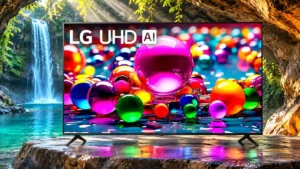
Native contrast is poor, turning dark scenes flat with little separation between blacks and highlights.
Pros: viewing angles, smart TV platform
Cons: overall satisfaction, refresh rate
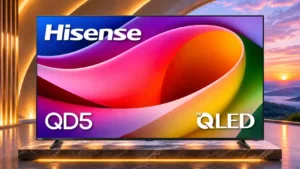
Without local dimming and with weak native contrast, the screen makes dark scenes look gray rather than deep black.
Pros: overall satisfaction, picture quality
Cons: Weight and handling, black levels