Best for SDR gaming
ASUS ROG Swift OLED PG32UCWM
5.0 attribute score
Highest scored product for this attribute based on supporting review evidence.

Highest scored product for this attribute based on supporting review evidence.
Balances the attribute score, supporting reviews, and overall product strength.
Has the broadest review evidence for this attribute.
Strongest overall product among items with scored evidence for this attribute.
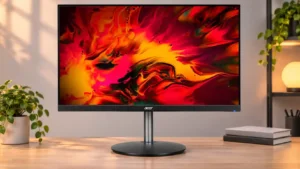
Accurate sRGB color, balanced imagery, and fast motion make standard dynamic range gaming a standout strength.
Pros: adaptive sync performance, PC gaming compatibility
Cons: HDR performance, contrast
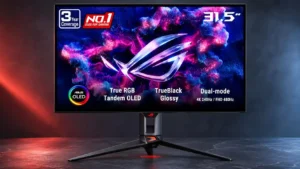
Fast motion, accurate configurable colors and excellent contrast make standard-dynamic-range gaming a pleasure without needing HDR.
Pros: black levels, sharpness
Cons: value for money, brightness
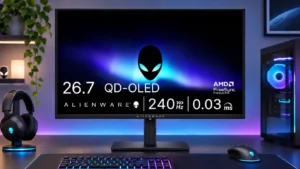
SDR-focused gaming is a compelling fit because the OLED’s fast motion, contrast and color matter even without spectacular HDR brightness.
Pros: value for money, panel type
Cons: brightness, port selection
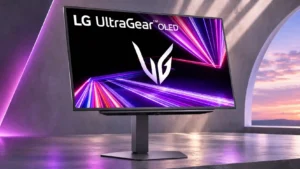
SDR games gain vivid colors, deep blacks, and sharp motion without depending on HDR tuning.
Pros: overall satisfaction, value for money
Cons: reflection handling, screen uniformity
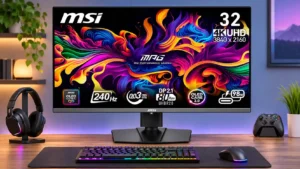
Even without HDR, 240Hz OLED response and strong contrast make regular gaming fluid and attractive.
Pros: overall satisfaction, DisplayPort connectivity
Cons: value for money, reliability over time
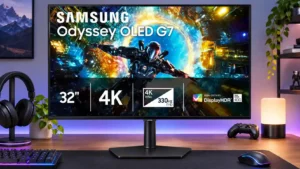
Even without HDR enabled, games can look spectacular thanks to OLED contrast and punchy colors.
Pros: overall satisfaction, contrast
Cons: value for money, port selection
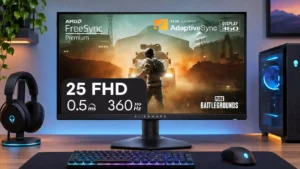
SDR is the monitor's natural strength: smooth competitive action and solid sRGB color without HDR's disappointing contrast compromises.
Pros: competitive gaming suitability, stand adjustability
Cons: color gamut, contrast
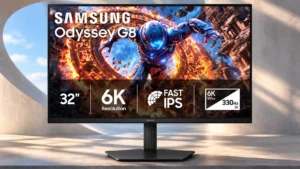
Fast, detailed SDR gaming is an effective complement to productivity use, especially in the balanced 3K mode where frame rates are easier to sustain.
Pros: Resolution, sharpness
Cons: value for money, HDR performance
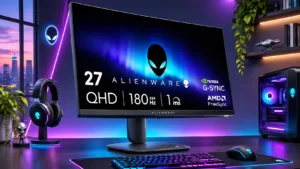
Smooth motion, strong color and affordability make conventional SDR gaming the clearest reason to buy this monitor.
Pros: overall satisfaction, refresh rate
Cons: HDR performance, HDMI 2.1 support
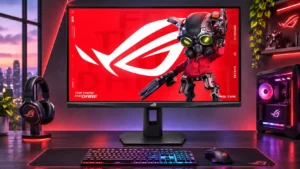
Vivid, sufficiently accurate color and exceptionally clear motion make standard SDR games a particularly satisfying fit.
Pros: motion clarity, Backlight strobing
Cons: contrast, HDR performance
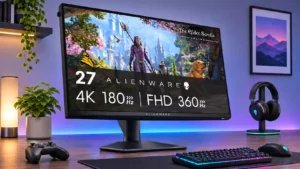
Accurate, colorful SDR output and high brightness make standard dynamic range a stronger fit than HDR, especially when local dimming artifacts are avoided.
Pros: Resolution, refresh rate
Cons: HDR performance, contrast
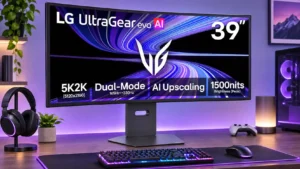
Older SDR games still look sharp and vivid thanks to the resolution, contrast, and usable sRGB options.
Pros: Resolution, overall satisfaction
Cons: value for money, Image scaling
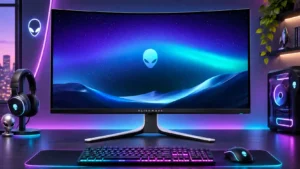
Even without HDR, colorful OLED contrast and rapid response make games vivid and fluid. Some prefer the more predictable SDR modes to complicated HDR setup.
Pros: overall satisfaction, brightness
Cons: Dolby Vision support, VRR flicker
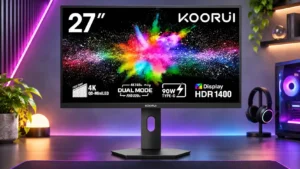
SDR gaming looks good and offers adjustable black levels; leaving local dimming off may prevent distracting text darkening.
Pros: HDR performance, overall satisfaction
Cons: HDR highlight detail, color accuracy
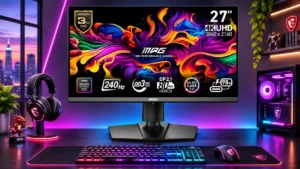
SDR colors and contrast are generally impressive, but full-screen brightness and mode accuracy are weaker than the best HDR moments.
Pros: HDR performance, DisplayPort connectivity
Cons: value for money, brightness
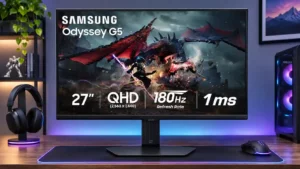
Fast refresh and clear QHD imagery make regular SDR gaming the G50D’s stronger proposition compared with HDR.
Pros: stand adjustability, competitive gaming suitability
Cons: value for money, port selection