Best for response time
Samsung S95H OLED
5.0 attribute score
Highest scored product for this attribute based on supporting review evidence.

Highest scored product for this attribute based on supporting review evidence.
Balances the attribute score, supporting reviews, and overall product strength.
Has the broadest review evidence for this attribute.
Strongest overall product among items with scored evidence for this attribute.
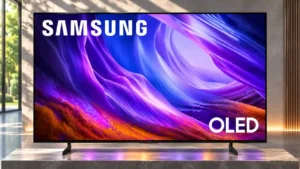
OLED pixels transition almost instantly, leaving fast objects with very little trailing blur. Minor overshoot is generally hard to see.
Pros: black levels, picture quality
Cons: glare resistance, reflection handling
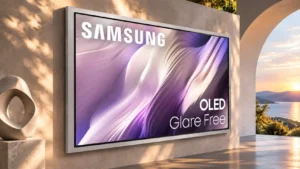
Nearly instantaneous pixel response keeps fast-moving game objects sharp with minimal trailing.
Pros: picture quality, overall satisfaction
Cons: design and appearance, Dolby Vision support
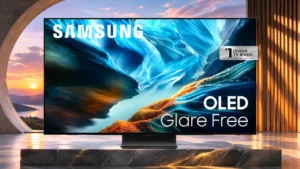
Almost instantaneous pixel changes sharply reduce the blur behind moving objects.
Pros: black levels, contrast ratio
Cons: Dolby Vision support, stutter handling
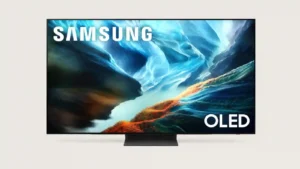
Pixel response is extremely fast, giving fast-paced games an immediate, clean feel with little blur.
Pros: glare resistance, black levels
Cons: Dolby Vision support, color gamut
The screen responds quickly enough for enjoyable gaming, with clear improvements after firmware changes. Dark transitions still show more trailing than bright ones.
Pros: color volume, overall satisfaction
Cons: value for money, color accuracy
Fast-moving objects can leave long blur trails, particularly at 60Hz; 120Hz helps somewhat without entirely fixing it.
Pros: overall satisfaction, color gamut
Cons: value for money, local dimming performance
Pixel transitions are slow in darker scenes, leaving blurred trails especially around 60Hz motion.
Pros: picture quality, contrast ratio
Cons: blooming control, glare resistance
Slow pixel transitions are a major limitation in independent measurements, leaving visible blur even when the TV accepts 120Hz or 144Hz signals.
Pros: picture quality, 4K at 144 Hz support
Cons: sound quality, value for money
Slow dark-to-bright transitions impair responsiveness.
Pros: Large-screen immersion, overall satisfaction
Cons: value for money, black levels
Slow pixel changes cause visible smearing that undercuts its high-refresh capabilities.
Pros: gaming performance, color accuracy
Cons: value for money, overall satisfaction
Slow pixel changes blur moving detail and contribute to weak sports and gaming performance.
Pros: white balance accuracy, design and appearance
Cons: overall satisfaction, value for money
Pixel transitions are slow enough to smear rapid movement, a clear drawback in fast games and action scenes.
Pros: picture quality, smart TV platform
Cons: value for money, refresh rate
Pixel transitions are sluggish at 60Hz, 120Hz, and 144Hz, leaving trails around fast-moving objects.
Pros: overall satisfaction, picture quality
Cons: reliability, remote control quality
Slow pixel transitions are a drawback for sharper fast-paced gaming and sports, especially on the tested 60Hz panel.
Pros: color accuracy, upscaling quality
Cons: picture quality, sound quality
Slow, uneven pixel transitions leave moving objects blurry and hard to distinguish.
Pros: sound quality, picture quality
Cons: value for money, local dimming performance
Very slow pixel transitions make fast movement visibly blurry even with low input lag.
Pros: picture quality, overall satisfaction
Cons: sound quality, black levels

Cinematic movement is surprisingly blurry, and dark transitions are slower than the high refresh-rate specification suggests.
Pros: art display mode, design and appearance
Cons: overall satisfaction, HDMI port accessibility
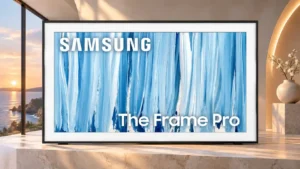
Slow pixel changes cause visible blur in both video and games.
Pros: cable management, design and appearance
Cons: value for money, Dolby Vision support