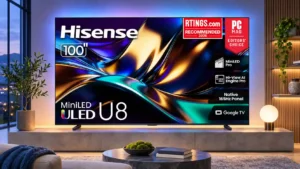
Enormous light output is the headline attraction, making sunlight, fire, and reflections dazzle far beyond typical midrange TVs.
Pros: peak brightness, HDR brightness
Cons: sound quality, viewing angles

Enormous light output is the headline attraction, making sunlight, fire, and reflections dazzle far beyond typical midrange TVs.
Pros: peak brightness, HDR brightness
Cons: sound quality, viewing angles
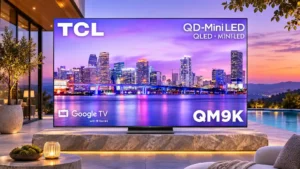
Extreme light output is the QM9K's defining strength, with unusually intense highlights and plenty of brightness for bright rooms. Some scenes do not exploit all that measured headroom.
Pros: peak brightness, overall satisfaction
Cons: value for money, shadow detail
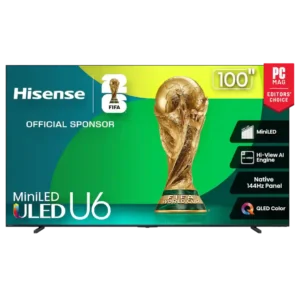
Peak brightness is a standout strength, with several tests and hands-on accounts describing the set as exceptionally bright for a budget model. That brightness gives highlights and everyday viewing more...
Pros: overall satisfaction, value for money
Cons: smart TV platform, blooming control
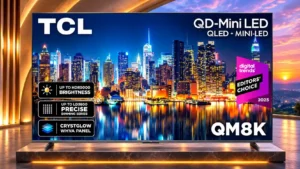
Peak HDR output is extraordinarily high, making highlights look brilliant on the giant panel. At the very highest settings, that intensity can become uncomfortable or bring out fan noise.
Pros: peak brightness, picture quality
Cons: HDMI 2.1 port count, reflection handling
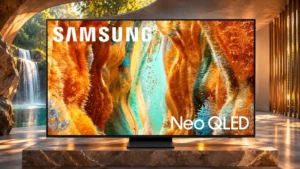
Strong SDR brightness keeps ordinary shows visible in lit rooms. HDR brightness is more modest against similarly priced full-array competitors.
Pros: picture quality, 4K at 144 Hz support
Cons: sound quality, value for money

Peak brightness is exceptional for the class and is one of the most consistently praised aspects of the U75QG.
Pros: overall satisfaction, picture quality
Cons: reliability, build quality
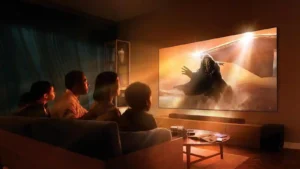
Peak brightness is a substantial step up over earlier Sony OLEDs and plenty strong in practice, but LG and Samsung flagships can still reach higher peaks.
Pros: gaming performance, peak brightness
Cons: HDMI 2.1 support, HDMI 2.1 port count
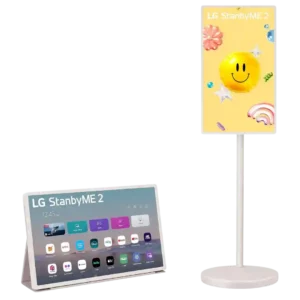
Reviewers who discussed brightness found it more than adequate for normal indoor use. The screen is less convincing around strong daylight or windows, where glare and reduced perceived brightness can...
Pros: overall satisfaction, portability and versatility
Cons: value for money, menu responsiveness
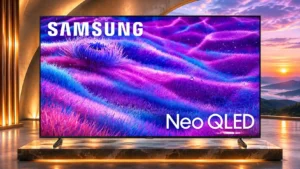
SDR brightness is especially strong, and HDR highlights stand out. Reflective glass prevents that power from fully solving direct-glare problems.
Pros: Large-screen immersion, overall satisfaction
Cons: value for money, black levels
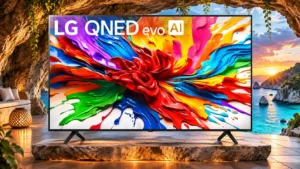
The panel is bright enough for many real-world scenes, especially in SDR. It is less luminous than several similarly priced Mini LED competitors.
Pros: gaming performance, overall satisfaction
Cons: sound quality, value for money
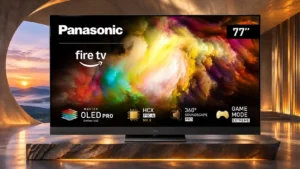
Brightness is adequate for controlled lighting and small highlights, but falls behind some OLED alternatives in demanding scenes.
Pros: overall satisfaction, picture quality
Cons: size options, value for money
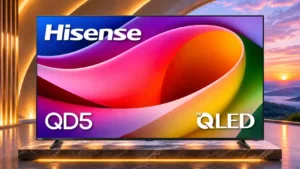
Owners often call the screen bright, yet measured SDR brightness is modest and some buyers find it insufficient.
Pros: overall satisfaction, picture quality
Cons: Weight and handling, black levels
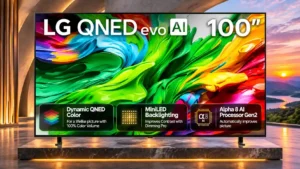
Peak brightness reports vary: two Consumer Reports sizes perform respectably, but another assessment finds the real-world HDR impact limited.
Pros: picture quality, maximum volume
Cons: sound quality, bass performance
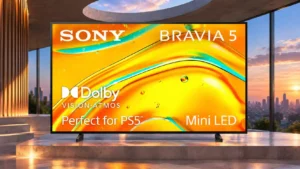
Brightness is sufficient for many HDR scenes but does not rival the most luminous Mini LEDs; the 98-inch is a significant exception within the lineup.
Pros: picture quality, black levels
Cons: HDR brightness, value for money
Peak brightness is the most persistent weakness, particularly under strong ambient light or in HDR. A few owners find it sufficient for ordinary evening television.
Pros: color accuracy, upscaling quality
Cons: picture quality, sound quality
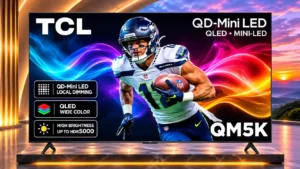
Ordinary scenes can be adequately bright, but the set does not have the headroom for consistently punchy highlights and can look washed out when pushed too far.
Pros: black levels, picture quality
Cons: HDR performance, blooming control
Screen output is modest in SDR and especially weak in HDR. Even a moderately bright room can expose the lack of headroom.
Pros: picture quality, smart TV platform
Cons: value for money, refresh rate

Both HDR highlights and regular SDR scenes are relatively dim, limiting impact and daytime versatility.
Pros: picture quality, value for money
Cons: viewing angles, HDR performance
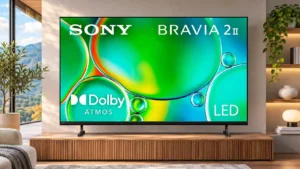
Limited peak luminance prevents eye-catching HDR impact and leaves the screen struggling against strong ambient light.
Pros: picture quality, overall satisfaction
Cons: sound quality, reliability
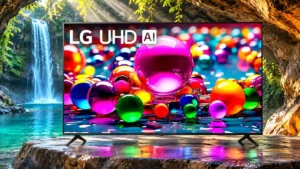
Peak output is too low to make bright HDR highlights visually impressive.
Pros: viewing angles, smart TV platform
Cons: overall satisfaction, refresh rate