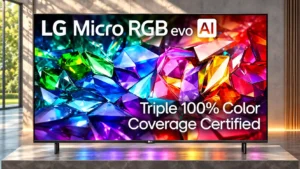
The screen reaches extraordinary brightness that makes high-impact HDR and daytime viewing especially impressive.
Pros: peak brightness, picture quality
Cons: value for money, viewing angles

The screen reaches extraordinary brightness that makes high-impact HDR and daytime viewing especially impressive.
Pros: peak brightness, picture quality
Cons: value for money, viewing angles

The tandem panel gives the C6H unusually bright highlights for a C-series OLED, often approaching the output of more expensive flagship sets.
Pros: gaming performance, HDR brightness
Cons: reflection handling, glare resistance

The G6 reaches exceptional OLED peaks, often around 2500–3100 nits and higher in tiny highlights. Measurements vary by mode and firmware, but brightness is a major strength.
Pros: picture quality, peak brightness
Cons: value for money, sound quality
Brightness is unusually strong for a midrange OLED, with HDR highlights that can exceed 1,400 nits on standard models and go beyond 2,000 nits on tandem-panel versions. It still cannot...
Pros: picture quality, gaming performance
Cons: value for money, sound quality
The B6E is noticeably brighter than some older budget OLEDs, yet substantially dimmer than the C6 and G6 and not equipped for very bright rooms.
Pros: contrast ratio, black levels
Cons: reflection handling, color accuracy
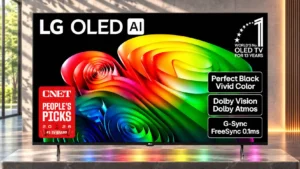
Peak highlights are brighter than on the B5, giving HDR more punch. The C6 and other newer alternatives can still be substantially brighter.
Pros: value for money, peak brightness
Cons: color accuracy, stand quality

Neither SDR nor HDR gets particularly bright, limiting its ability to overcome glare or make highlights stand out.
Pros: picture quality, color accuracy
Cons: remote control quality, black levels

SDR output is modest and struggles with bright windows or strong indoor lighting. The matte finish cannot compensate fully for this lack of light output.
Pros: design and appearance, maximum volume
Cons: picture quality, value for money