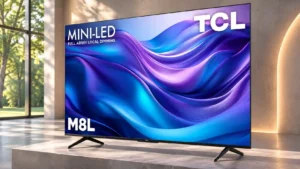
Overall: 4.1/5
Motion interpolation smooths lower-frame-rate footage impressively, even in complex scenes.
Pros: value for money, overall satisfaction
Cons: HDR brightness

Overall: 4.1/5
Motion interpolation smooths lower-frame-rate footage impressively, even in complex scenes.
Pros: value for money, overall satisfaction
Cons: HDR brightness
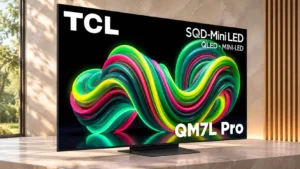
Overall: 4.1/5
Frame interpolation noticeably reduces stutter and can smooth gameplay without a major input-lag penalty.
Pros: picture quality, black levels
Cons: viewing angles, motion clarity
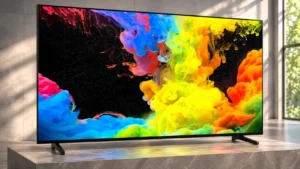
Overall: 4.3/5
Optional smoothing is effective in slow pans and can reduce visible stutter, though the separate strobing option is more conditional.
Pros: picture quality, black levels
Cons: bass performance, HDR brightness

Overall: 4.1/5
Cinematic Movement is effective at smoothing pans while preserving a natural film look. Stronger processing is rarely necessary.
Pros: picture quality, gaming performance
Cons: value for money, sound quality
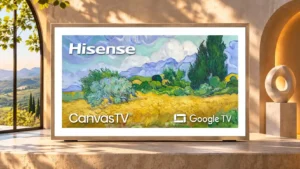
Overall: 3.8/5
Motion smoothing does a good job reducing stutter without much soap-opera effect, and a separate low-latency option works in games.
Pros: picture quality, color accuracy
Cons: HDR performance, sound quality
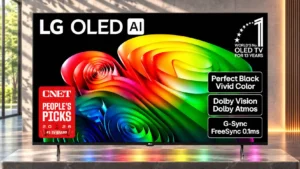
Overall: 3.8/5
TruMotion’s Cinematic Movement reduces panning judder without an overwhelming effect, while stronger settings suit fast sports.
Pros: value for money, peak brightness
Cons: color accuracy, stand quality
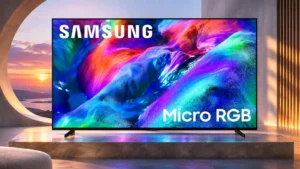
Overall: 3.8/5
Low levels of smoothing can reduce stutter in pans without much inconsistency.
Pros: overall satisfaction, color gamut
Cons: value for money, local dimming performance

Overall: 3.8/5
Gentle smoothing improves camera pans, but stronger settings can make films look artificially processed.
Pros: picture quality, overall satisfaction
Cons: color crosstalk, value for money
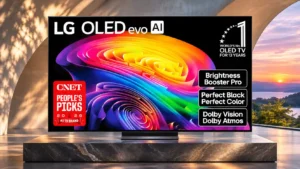
Overall: 4.1/5
Cinematic Movement subtly smooths 24fps films without introducing much soap-opera effect, although stronger settings may add artifacts.
Pros: gaming performance, HDR brightness
Cons: reflection handling, glare resistance
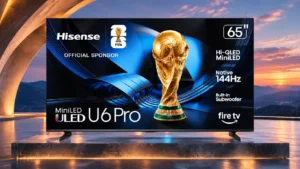
Overall: 4.1/5
Smoothing can reduce low-frame-rate stutter in normal viewing, but its controls do little or nothing for gaming in Game Mode.
Pros: overall satisfaction, value for money
Cons: Smart TV platform, advertising intrusiveness
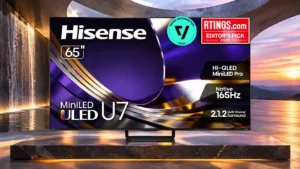
Overall: 4.2/5
Adding light smoothing helps slow pans and 24p stutter, although aggressive settings can change the cinematic look.
Pros: overall satisfaction, glare resistance
Cons: motion handling, viewing angles
Overall: 4.4/5
Low interpolation settings can smooth motion without immediately creating a soap-opera effect. Pushing the controls higher introduces more artificial-looking movement and artifacts.
Pros: picture quality, value for money
Cons: stand quality, judder handling
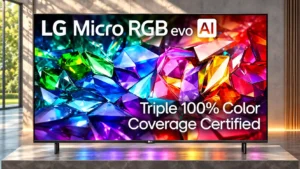
Overall: 4.0/5
Frame interpolation smoothly reduces film stutter without an obvious soap-opera effect at modest settings.
Pros: peak brightness, picture quality
Cons: value for money, viewing angles
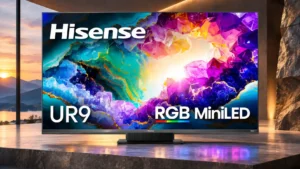
Overall: 4.1/5
Light interpolation can reduce film stutter naturally; stronger smoothing can add artifacts or an unwanted processed look.
Pros: peak brightness, picture quality
Cons: value for money, color accuracy

Overall: 4.4/5
Cinematic Movement can add useful smoothness without obvious artifacts, while stronger settings may hesitate or create an artificial look.
Pros: picture quality, peak brightness
Cons: value for money, sound quality
Overall: 3.8/5
Sony’s motion smoothing can reduce cinematic stutter effectively at conservative settings. Pushing it harder may add artificial trails or compromise other frame rates.
Pros: HDMI 2.1 port count, overall satisfaction
Cons: HDR performance, bass performance
Overall: 3.9/5
Low settings can smooth film without an obvious soap-opera look, but stronger processing introduces artifacts, excessive smoothness, or a darker image.
Pros: peak brightness, picture quality
Cons: color accuracy, viewing angles
Overall: 4.2/5
Sony’s interpolation can look exceptionally polished when tuned well, but the default processing can also introduce glitches or brief blur in difficult scenes.
Pros: overall satisfaction, picture quality
Cons: HDMI 2.1 port count, reflection handling

Overall: 3.8/5
Custom motion adjustments can smooth camera pans, while automatic interpolation sometimes adds jitter, noise or the soap-opera effect.
Pros: picture quality, contrast ratio
Cons: blooming control, glare resistance
Overall: 4.2/5
Smoothing can make lower-frame-rate motion more fluid, but it does not fully remove OLED stutter and may look artificial when set high.
Pros: picture quality, overall satisfaction
Cons: design and appearance, Dolby Vision support
Overall: 4.0/5
TruMotion can smooth sports and panning shots, but its frame cadence is not always consistent and may introduce choppiness.
Pros: contrast ratio, black levels
Cons: reflection handling, color accuracy

Overall: 4.0/5
Smoothing helps but brings a soap-opera effect.
Pros: black levels, picture quality
Cons: glare resistance, reflection handling

Overall: 3.8/5
Mild interpolation reduces some stutter but cannot fully remove it and is undesirable for film purists.
Pros: cable management, design and appearance
Cons: value for money, Dolby Vision support
Overall: 3.7/5
Gentle smoothing can tame judder, but aggressive settings can introduce choppiness or artificial-looking motion. Reducing the default effect usually helps.
Pros: color volume, overall satisfaction
Cons: value for money, color accuracy

Overall: 4.0/5
Motion smoothing can tame slow pans and judder, but stronger settings may add artifacts or an unnatural soap-opera look.
Pros: peak brightness, blooming control
Cons: value for money, motion clarity
Overall: 2.6/5
Automatic smoothing helps one owner, but controlled testing reports judder, uneven cadence and no worthwhile improvement.
Pros: sound quality, picture quality
Cons: value for money, local dimming performance

Overall: 4.5/5
Interpolation is useful when kept moderate, but stronger or automatic settings can introduce obvious soap-opera effect and unnatural motion.
Pros: glare resistance, black levels
Cons: Dolby Vision support, color gamut
Overall: 4.1/5
Motion interpolation introduces visible issues even at a low setting, limiting its usefulness for smoothing movement.
Pros: contrast ratio, value for money
Cons: peak brightness, HDR brightness

Overall: 3.1/5
Low-strength interpolation reduces some stutter but can create uneven frame pacing.
Pros: gaming performance, color accuracy
Cons: value for money, overall satisfaction
Overall: 3.4/5
TruMotion can smooth camera movement but may introduce a soap-opera look or inconsistent frame pacing.
Pros: picture quality, color accuracy
Cons: remote control quality, black levels
Overall: 4.1/5
Gentle interpolation settings do little to erase stutter in slow pans, limiting their value for film watching.
Pros: black levels, contrast ratio
Cons: Dolby Vision support, stutter handling

Overall: 3.5/5
Interpolation does little to alleviate slow-pan stutter and can introduce uneven pacing.
Pros: art display mode, design and appearance
Cons: overall satisfaction, HDMI port accessibility
Overall: 4.3/5
Cinema Motion can create an artificial soap-opera or uncanny effect, so disabling it may produce a more natural film presentation.
Pros: overall satisfaction, overall image accuracy
Cons: value for money, bass performance
Overall: 3.3/5
Default smoothing can look overly processed, floaty, or soap-opera-like. Reducing the setting helps, but reviewers still find motion compromised.
Pros: picture quality, overall satisfaction
Cons: value for money, reliability
Overall: 2.9/5
Motion settings are limited or unavailable in some presets, and they do little to rescue choppy video.
Pros: value for money, picture quality
Cons: account requirements, gaming performance
Overall: 3.1/5
Judder reduction offers little useful smoothing and may introduce new artifacts, so leaving it off is often preferable.
Pros: picture quality, overall satisfaction
Cons: sound quality, black levels

Overall: 3.4/5
Motion smoothing can introduce an exaggerated soap-opera appearance without solving uneven film cadence.
Pros: art display mode, picture quality
Cons: contrast ratio, high-refresh-rate gaming
Overall: 2.7/5
Motion smoothing is unreliable in complex scenes and can introduce judder instead of removing it.
Pros: white balance accuracy, design and appearance
Cons: overall satisfaction, value for money

Overall: 3.1/5
Frame interpolation is inconsistent, often creating uneven motion instead of reliably smoothing slow camera pans.
Pros: design and appearance, maximum volume
Cons: picture quality, value for money