Best for motion interpolation
LG C6
4.7 attribute score
Highest scored product for this attribute based on supporting review evidence.

Highest scored product for this attribute based on supporting review evidence.
Balances the attribute score, supporting reviews, and overall product strength.
Has the broadest review evidence for this attribute.
Strongest overall product among items with scored evidence for this attribute.
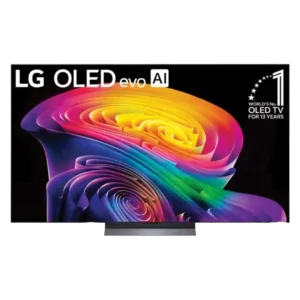
Cinematic Movement is effective at smoothing pans while preserving a natural film look. Stronger processing is rarely necessary.
Pros: picture quality, gaming performance
Cons: value for money, sound quality
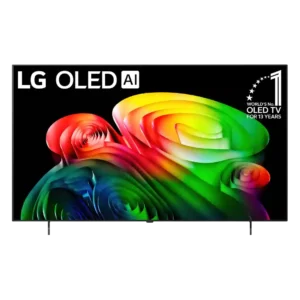
LG’s motion interpolation works well when used selectively, reducing film judder without needing the strongest settings.
Pros: picture quality, value for money
Cons: stand quality, daytime viewing performance

Low interpolation settings can smooth motion without immediately creating a soap-opera effect. Pushing the controls higher introduces more artificial-looking movement and artifacts.
Pros: picture quality, value for money
Cons: stand quality, judder handling

Sony’s interpolation is unusually subtle, smoothing pans while preserving a cinematic look better than many aggressive motion systems.
Pros: gaming performance, peak brightness
Cons: HDMI 2.1 support, HDMI 2.1 port count

Cinematic Movement can add useful smoothness without obvious artifacts, while stronger settings may hesitate or create an artificial look.
Pros: picture quality, peak brightness
Cons: value for money, sound quality
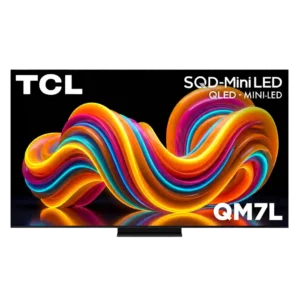
Low settings can smooth film without an obvious soap-opera look, but stronger processing introduces artifacts, excessive smoothness, or a darker image.
Pros: peak brightness, picture quality
Cons: color accuracy, viewing angles
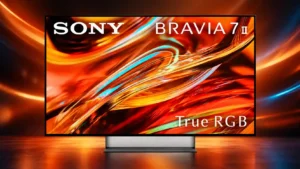
Sony’s interpolation can look exceptionally polished when tuned well, but the default processing can also introduce glitches or brief blur in difficult scenes.
Pros: overall satisfaction, picture quality
Cons: HDMI 2.1 port count, reflection handling
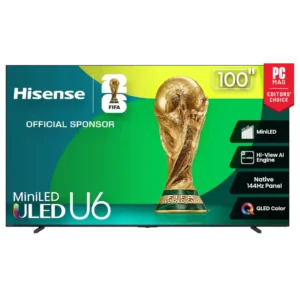
Motion interpolation is highly adjustable, which some viewers will appreciate. One reviewer strongly dislikes the default soap-opera effect, while another praises the flexibility to tune judder and smoothness.
Pros: overall satisfaction, value for money
Cons: smart TV platform, blooming control

Motion smoothing is divisive: some viewers grow to like the ultra-smooth look, while others find even the lowest setting too aggressive and soap-opera-like.
Pros: overall satisfaction, picture quality
Cons: reliability, portability and versatility

Interpolation is useful when kept moderate, but stronger or automatic settings can introduce obvious soap-opera effect and unnatural motion.
Pros: glare resistance, black levels
Cons: Dolby Vision support, color gamut
Motion interpolation introduces visible issues even at a low setting, limiting its usefulness for smoothing movement.
Pros: contrast ratio, value for money
Cons: peak brightness, HDR brightness
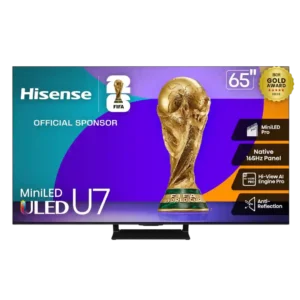
Motion interpolation can smooth video, but stronger settings may introduce artifacts, skipped frames, or an artificial look that some reviewers disliked intensely.
Pros: overall satisfaction, picture quality
Cons: reliability, build quality
Cinema Motion can create an artificial soap-opera or uncanny effect, so disabling it may produce a more natural film presentation.
Pros: overall satisfaction, overall image accuracy
Cons: value for money, bass performance
Default smoothing can look overly processed, floaty, or soap-opera-like. Reducing the setting helps, but reviewers still find motion compromised.
Pros: picture quality, overall satisfaction
Cons: value for money, reliability