Best for local dimming performance
Hisense U6SF Pro
5.0 attribute score
Highest scored product for this attribute based on supporting review evidence.

Highest scored product for this attribute based on supporting review evidence.
Balances the attribute score, supporting reviews, and overall product strength.
Has the broadest review evidence for this attribute.
Strongest overall product among items with scored evidence for this attribute.
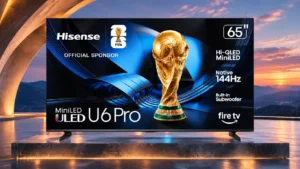
Overall: 4.1/5
Zone dimming adds deep blacks and substantial contrast, particularly in simpler scenes, but can lag behind small moving bright objects.
Pros: overall satisfaction, value for money
Cons: Smart TV platform, advertising intrusiveness
Overall: 3.3/5
Local dimming is one of the picture system’s strongest tools: turning it on noticeably improves contrast, accuracy, and dark-scene visibility. Reviewers repeatedly recommend using it rather than leaving it off...
Pros: picture quality, overall satisfaction
Cons: value for money, reliability
Overall: 4.4/5
Per-pixel OLED dimming precisely separates stars and highlights from black backgrounds without blooming.
Pros: picture quality, peak brightness
Cons: value for money, sound quality

Overall: 4.2/5
Each pixel controls its own light, eliminating the distracting zone transitions common to LED televisions.
Pros: value for money, color accuracy
Cons: HDR brightness, reflection handling
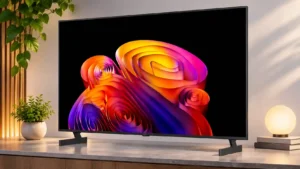
Overall: 4.0/5
Per-pixel OLED control achieves the effect of perfect local dimming, with no zone transitions to distract from dark scenes.
Pros: contrast ratio, black levels
Cons: reflection handling, color accuracy
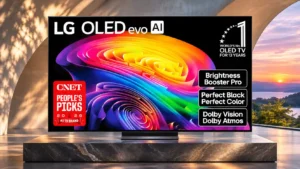
Overall: 4.1/5
With lighting controlled pixel by pixel, black-to-bright transitions appear precise and free of LCD-style dimming-zone compromises.
Pros: gaming performance, HDR brightness
Cons: reflection handling, glare resistance
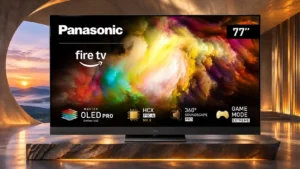
Overall: 4.0/5
Pixel-level control effectively delivers ideal local dimming, avoiding the compromises of zoned backlights.
Pros: overall satisfaction, picture quality
Cons: size options, value for money
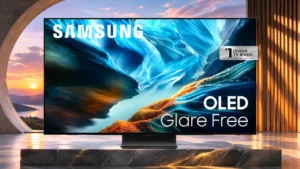
Overall: 4.1/5
Individually lit pixels mimic ideal local dimming without the compromises of backlight zones.
Pros: black levels, contrast ratio
Cons: Dolby Vision support, stutter handling

Overall: 3.9/5
Each pixel dims independently, eliminating conventional zone compromises.
Pros: color volume, black levels
Cons: Inconsistent panel and coating by size, sound quality
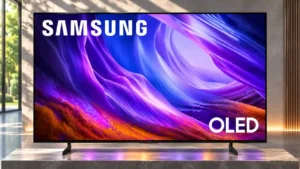
Overall: 4.0/5
Self-emissive pixels create flawless local dimming-like precision.
Pros: black levels, picture quality
Cons: glare resistance, reflection handling

Overall: 4.0/5
Its Mini-LED local dimming gives dark scenes convincing depth and often keeps bright areas tidy. The degree of blooming varies with demanding test patterns and seating angle.
Pros: color accuracy, picture quality
Cons: HDR brightness, peak brightness
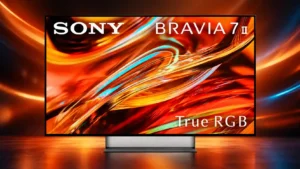
Overall: 4.2/5
Local dimming is exceptionally well controlled for an LCD, balancing deep blacks with bright highlights without obvious brightness pumping in most real content.
Pros: overall satisfaction, picture quality
Cons: HDMI 2.1 port count, reflection handling
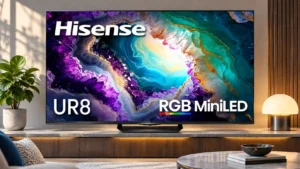
Overall: 4.0/5
Dimming boosts black depth and can control halos well, but performance varies by scene and some glow remains.
Pros: gaming performance, color volume
Cons: blooming control, dark-room performance
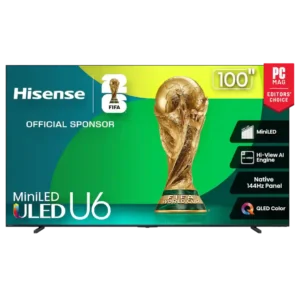
Overall: 4.2/5
Local dimming is one of the most praised picture features, producing strong contrast and impressive black control when viewed head-on. Haloing becomes more visible in some difficult scenes and off-axis...
Pros: overall satisfaction, value for money
Cons: smart TV platform, blooming control
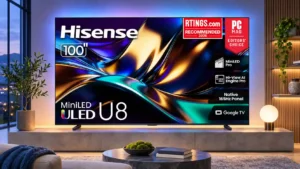
Overall: 4.1/5
Dense Mini-LED zones produce convincing blacks with little blooming in ordinary viewing, particularly on well-tuned smaller sizes.
Pros: peak brightness, HDR brightness
Cons: sound quality, viewing angles
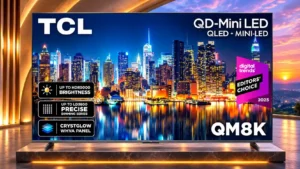
Overall: 4.0/5
The many local-dimming zones control dark scenes exceptionally well, creating impressive contrast without conspicuous backlight spill in most content.
Pros: peak brightness, picture quality
Cons: HDMI 2.1 port count, reflection handling
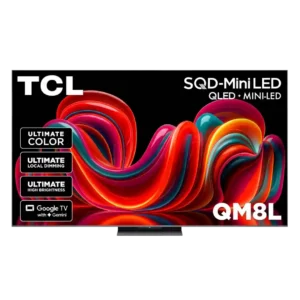
Overall: 4.4/5
The dense local-dimming system controls bright and dark zones with impressive precision. Its backlight management is among the strongest available outside much costlier flagship models.
Pros: picture quality, value for money
Cons: stand quality, judder handling

Overall: 3.9/5
Its mini-LED dimming creates powerful contrast and generally keeps dark backgrounds dark. Assessments differ on how well the zones contain light around small highlights.
Pros: peak brightness, value for money
Cons: reflection handling, glare resistance
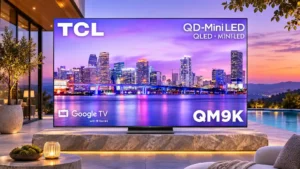
Overall: 3.9/5
The dense Mini-LED backlight contains blooming effectively and preserves strong contrast. Rapid zone changes can still introduce visible flicker or occasional halos.
Pros: peak brightness, overall satisfaction
Cons: value for money, shadow detail
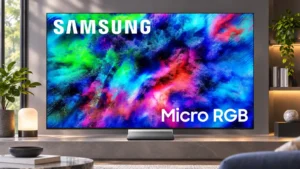
Overall: 3.7/5
Local dimming keeps most bright details isolated from dark surroundings and preserves excellent black levels. The tougher motion transitions and off-axis views expose some limitations.
Pros: color volume, overall satisfaction
Cons: value for money, color accuracy
Overall: 4.0/5
Local dimming is consistently strong for the price, producing deep blacks and effective highlight control across most real-world scenes.
Pros: overall satisfaction, picture quality
Cons: reliability, build quality

Overall: 4.2/5
Local dimming usually maintains punchy contrast with little visible backlight distraction. A few assessments find its control less precise than the hardware promises.
Pros: high-refresh-rate gaming, gaming performance
Cons: value for money, bass performance

Overall: 4.2/5
Backlight control yields dark blacks and bright highlights, but testers disagree substantially on haloing and dark-scene artifacts.
Pros: picture quality, glare resistance
Cons: value for money, bass performance

Overall: 4.0/5
The dense Mini-LED backlight controls highlights with rare precision, maintaining deep shadows without obvious halos in most real scenes.
Pros: peak brightness, blooming control
Cons: value for money, motion clarity
Overall: 3.7/5
Hundreds of zones deliver deep blacks and usually restrained blooming, although moving highlights and particular presets can reveal imperfect transitions.
Pros: value for money, HDR brightness
Cons: color accuracy, shadow detail
Overall: 4.2/5
The dimming system gives dark scenes strong contrast and mostly controlled glow, with occasional odd highlighting or flicker.
Pros: overall satisfaction, glare resistance
Cons: motion handling, viewing angles
Overall: 4.1/5
The dimming system keeps most blacks dark while bright objects pop, with only occasional flicker and difficult transitions.
Pros: peak brightness, picture quality
Cons: value for money, color accuracy
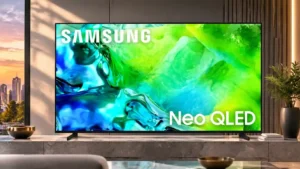
Overall: 3.8/5
The backlight generally lifts contrast and deepens dark areas effectively, but precision falls short of the best competing Mini LED sets.
Pros: picture quality, contrast ratio
Cons: blooming control, glare resistance
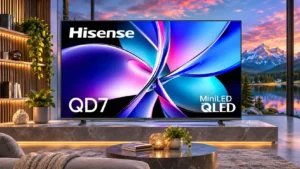
Overall: 3.9/5
The dimming system creates a meaningful leap in contrast over the QD6QF, though small bright objects can reveal its limited precision.
Pros: picture quality, contrast ratio
Cons: HDR performance, motion handling

Overall: 4.0/5
Backlight control is frequently polished in ordinary scenes, yet tricky starfields can prompt conservative dimming and gray-looking black areas.
Pros: picture quality, black levels
Cons: HDR brightness, value for money
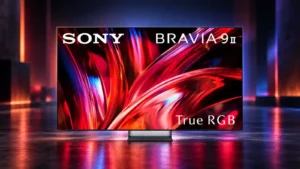
Overall: 4.3/5
Local dimming is highly effective and a major reason blacks and contrast look so strong for an LCD. Rare flares and off-axis blooming remain the main caveats.
Pros: overall satisfaction, overall image accuracy
Cons: value for money, bass performance
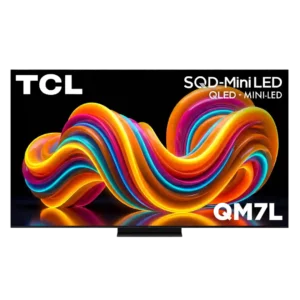
Overall: 3.9/5
Halo control and numerous dimming zones usually keep highlights tight and blacks deep. Dark rooms and off-axis seats can shift the result from excellent control to obvious fog and leakage.
Pros: peak brightness, picture quality
Cons: color accuracy, viewing angles
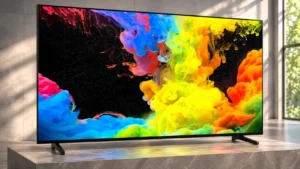
Overall: 4.3/5
Mini-LED zones boost contrast and depth, but their size and slow transitions can cause glowing subtitles and artifacts as highlights move.
Pros: picture quality, black levels
Cons: bass performance, HDR brightness

Overall: 3.8/5
A large number of effective dimming zones preserves intense highlights without washing out adjacent blacks. Very bright settings can still create visible halos.
Pros: picture quality, overall satisfaction
Cons: color crosstalk, value for money
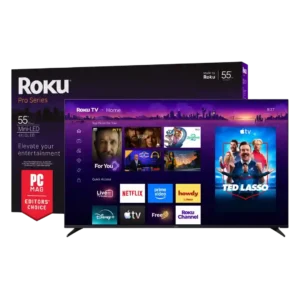
Overall: 4.4/5
Local dimming is usually excellent, producing deep blacks and strong highlight separation. A few owners encountered haloing or dark-zone failures, so the experience is not flawless.
Pros: overall satisfaction, picture quality
Cons: reliability, portability and versatility
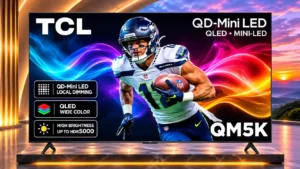
Overall: 3.6/5
Mini LED local dimming improves black depth considerably, but precision is mediocre around fine bright objects and moving highlights.
Pros: black levels, picture quality
Cons: HDR performance, blooming control
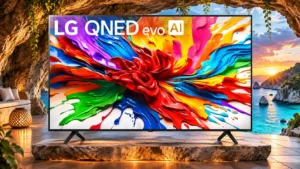
Overall: 3.9/5
Local dimming substantially deepens blacks and strengthens contrast, yet its algorithms sometimes crush shadows or lag behind moving objects. Performance varies noticeably with scene complexity.
Pros: gaming performance, overall satisfaction
Cons: sound quality, value for money
Overall: 4.1/5
Local dimming adds useful black depth, but limited dimming precision allows halos around subtitles and other small bright details.
Pros: value for money, overall satisfaction
Cons: HDR brightness
Overall: 3.8/5
Mini LED improves contrast over simpler backlights, yet the limited precision is exposed by subtitles and bright elements against black, especially at 100 inches.
Pros: overall satisfaction, picture quality
Cons: value for money, local dimming performance
Overall: 3.8/5
Zone control is improved over some older Samsung LCDs, but limited precision can create halos, color spill and lost details.
Pros: overall satisfaction, color gamut
Cons: value for money, local dimming performance
Overall: 4.0/5
Local dimming helps blacks stay deep and controls many halos, but fine objects against dark backgrounds still reveal the limits of zone-based lighting.
Pros: peak brightness, picture quality
Cons: value for money, viewing angles
Overall: 4.1/5
Local dimming supports strong dark-scene contrast, though halos around highlights become more conspicuous from an angle.
Pros: picture quality, black levels
Cons: viewing angles, motion clarity
Overall: 3.8/5
The backlight generally deepens black levels and controls contrast well. Abrupt scene changes and moving bright objects sometimes reveal pumping and slow zone transitions.
Pros: glare resistance, overall satisfaction
Cons: input lag, value for money
Overall: 3.8/5
This is the most divisive weakness: large backlight columns limit precision, and several assessments say local dimming barely helps or actually worsens scenes.
Pros: picture quality, 4K at 144 Hz support
Cons: sound quality, value for money
Overall: 3.8/5
The basic edge-lit system offers limited contrast improvement and cannot control small light and dark areas precisely.
Pros: cable management, design and appearance
Cons: value for money, Dolby Vision support
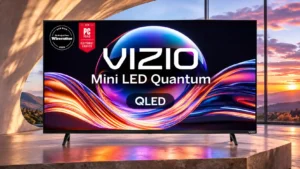
Overall: 2.9/5
The mini-LED zones can make highlights brighter, but poor precision creates halos and unstable dark backgrounds.
Pros: value for money, picture quality
Cons: account requirements, gaming performance
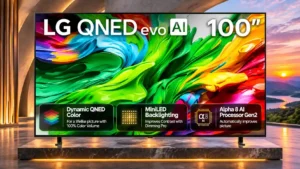
Overall: 3.7/5
The edge-lit local dimming system cannot produce the precise dark-level control of stronger mini-LED models.
Pros: picture quality, maximum volume
Cons: sound quality, bass performance
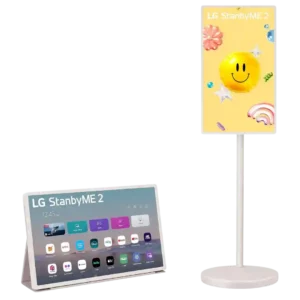
Overall: 3.8/5
Backlight precision is weak, with larger areas of the screen lighting up when they ideally should remain dark. That hurts contrast control in demanding scenes.
Pros: overall satisfaction, portability and versatility
Cons: value for money, menu responsiveness
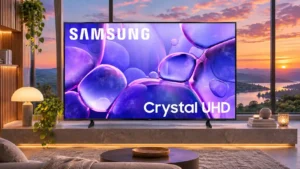
Overall: 3.3/5
Without effective local dimming, darker parts of mixed-brightness scenes can appear gray, and backlight behavior may be distracting. Avoid expecting distinct bright highlights against deep blacks.
Pros: color accuracy, upscaling quality
Cons: picture quality, sound quality
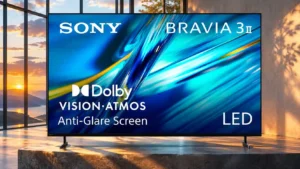
Overall: 3.8/5
Without independently controlled dimming zones, bright details and dark backgrounds cannot be optimized separately. This puts cinematic HDR and night viewing at a disadvantage against locally dimmed sets.
Pros: HDMI 2.1 port count, overall satisfaction
Cons: HDR performance, bass performance