Film and other common sources play with little or no judder, apart from a minor issue with some 25p signals.
Pros: value for money, overall satisfaction
Cons: HDR brightness

Film and other common sources play with little or no judder, apart from a minor issue with some 25p signals.
Pros: value for money, overall satisfaction
Cons: HDR brightness

Film judder is removed from most inputs, with a minor exception for 25p material carried in 60p signals.
Pros: picture quality, color accuracy
Cons: HDR performance, sound quality
With the right TruMotion setting, slow camera pans look much smoother and more cinematic without obvious artifacts.
Pros: picture quality, gaming performance
Cons: value for money, sound quality

Cinematic Movement controls panning judder effectively without strongly exaggerating the soap-opera effect, though some smoothing is needed.
Pros: picture quality, peak brightness
Cons: value for money, sound quality
Most film and TV cadence changes play without judder; a small issue with some 25p content is unlikely to matter to most people.
Pros: picture quality, black levels
Cons: bass performance, HDR brightness
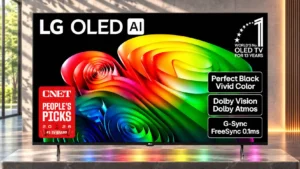
Movie pans are smoother with Cinematic Movement, and the Natural setting helps sports. Poor default choices can make motion look unnatural.
Pros: value for money, peak brightness
Cons: color accuracy, stand quality

Film judder is removed reliably across most sources, with a small exception for some European-format signals.
Pros: black levels, contrast ratio
Cons: Dolby Vision support, stutter handling
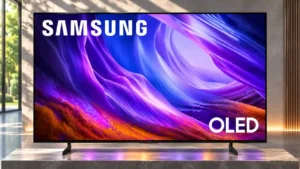
Most film cadence is handled cleanly.
Pros: black levels, picture quality
Cons: glare resistance, reflection handling

Movies play with very little judder across most sources, though unusual frame-rate combinations can show small timing issues.
Pros: picture quality, overall satisfaction
Cons: color crosstalk, value for money
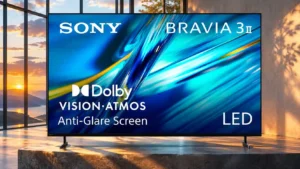
Film cadence is handled cleanly without extra setup for most 24p sources. Some 25p material and selected 60p inputs need extra care or settings.
Pros: HDMI 2.1 port count, overall satisfaction
Cons: HDR performance, bass performance
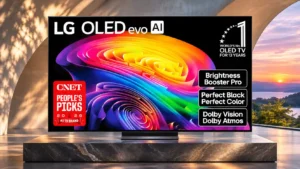
Proper 24fps film cadence works well with the right setting, though a few unusual signal and motion combinations can cause judder.
Pros: gaming performance, HDR brightness
Cons: reflection handling, glare resistance
Judder controls work well at restrained settings, improving 24-frame-per-second material while preserving a natural film look.
Pros: peak brightness, picture quality
Cons: color accuracy, viewing angles
Most film and TV signals play with even frame pacing, although a few unusual frame-rate combinations can retain judder.
Pros: contrast ratio, black levels
Cons: reflection handling, color accuracy
Most sources play with little judder, and careful custom settings smooth pans, though aggressive or automatic processing can introduce artifacts.
Pros: picture quality, contrast ratio
Cons: blooming control, glare resistance
Most film playback is smooth, while difficult pans and test animations can stutter or judder. A small interpolation adjustment may help without overwhelming the image.
Pros: color volume, overall satisfaction
Cons: value for money, color accuracy
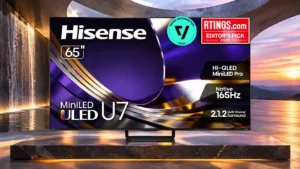
Common sources play without major judder, while some 24p material or 25p sources can require motion tweaks.
Pros: overall satisfaction, glare resistance
Cons: motion handling, viewing angles
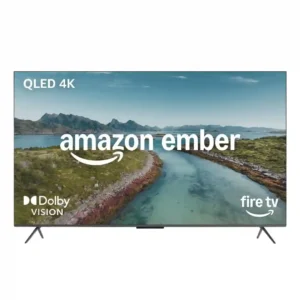
Motion controls can be adjusted to reduce judder on long 24fps camera pans. The useful setting comes with tradeoffs against excess smoothing.
Pros: picture quality, overall satisfaction
Cons: value for money, reliability

Most film cadence is reproduced without objectionable judder; a small issue remains with some 25p European sources.
Pros: overall satisfaction, value for money
Cons: Smart TV platform, advertising intrusiveness
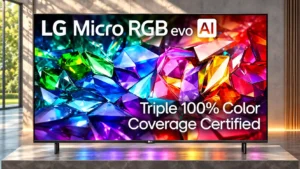
Most film and TV sources play with proper cadence, though an unusual 25p-over-60p signal can introduce timing errors.
Pros: peak brightness, picture quality
Cons: value for money, viewing angles
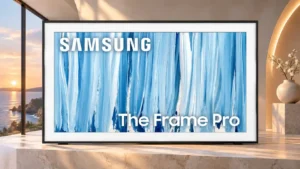
Most film sources play without major judder, but mismatched 60p playback may need extra settings or show mild micro-judder.
Pros: cable management, design and appearance
Cons: value for money, Dolby Vision support
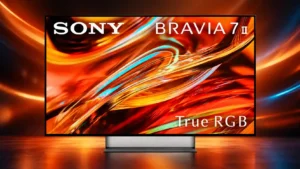
Film motion is mostly judder-free, and the small amount that can appear is easy to reduce with a modest MotionFlow adjustment.
Pros: overall satisfaction, picture quality
Cons: HDMI 2.1 port count, reflection handling
Film cadence can be handled smoothly with the right setting, preserving proper 24p pans without unnecessary judder.
Pros: overall satisfaction, overall image accuracy
Cons: value for money, bass performance

Film judder is usually well controlled, although older sources and some panning shots need adjustment.
Pros: peak brightness, blooming control
Cons: value for money, motion clarity
Most film sources play with correct cadence and little judder, although a few unusual signal conversions can still show uneven motion.
Pros: picture quality, overall satisfaction
Cons: design and appearance, Dolby Vision support

One lab found the TV unable to remove 24p film judder, while separate testing liked its 1080i film compensation.
Pros: art display mode, picture quality
Cons: contrast ratio, high-refresh-rate gaming

Film-based 1080i is processed well in one test, but 60Hz external sources can show noticeable judder.
Pros: picture quality, overall satisfaction
Cons: sound quality, black levels
Most film judder is removed effectively, but 1080i film compensation and unusual 25p-in-60p signals are less polished.
Pros: picture quality, black levels
Cons: viewing angles, motion clarity
Film cadence can look clean with light interpolation, but judder or blur remains visible in difficult pans.
Pros: peak brightness, picture quality
Cons: value for money, color accuracy
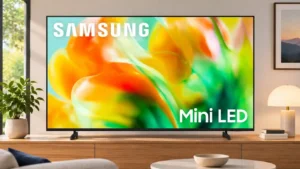
Film-source judder is handled well in some conditions, though sports and default movie settings can still show uneven motion.
Pros: gaming performance, color accuracy
Cons: value for money, overall satisfaction
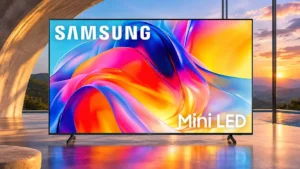
Judder handling depends heavily on source: native 24p content can be smooth, while 60Hz film signals may judder; other testing finds strong 1080i film compensation.
Pros: sound quality, picture quality
Cons: value for money, local dimming performance
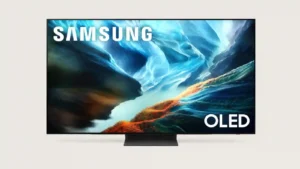
Judder can show up at default settings, but modest custom adjustments clear it up without forcing an overly smoothed look.
Pros: glare resistance, black levels
Cons: Dolby Vision support, color gamut
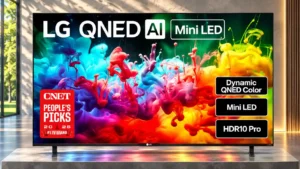
Some 24fps material judders, although film playback from native apps or suitable sources fares better.
Pros: picture quality, color accuracy
Cons: remote control quality, black levels

Some 24fps film pans look smooth, but judder persists from sources outputting at 60Hz and older devices.
Pros: value for money, picture quality
Cons: account requirements, gaming performance
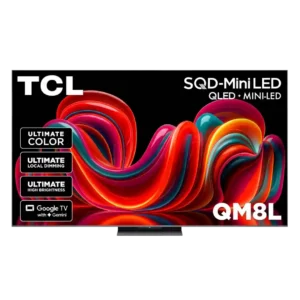
Low-frame-rate movies can look choppy until the judder controls are adjusted. Moderate settings help, but aggressive smoothing may introduce skipped frames or unnatural motion.
Pros: picture quality, value for money
Cons: stand quality, judder handling
Certain slow film pans show visible stutter, so judder-sensitive viewers may notice motion imperfections.
Pros: contrast ratio, value for money
Cons: peak brightness, HDR brightness

Native 24p films and internal apps can run with proper cadence, but certain 60p external sources show uneven frame pacing.
Pros: design and appearance, maximum volume
Cons: picture quality, value for money
Common 60Hz feeds can judder, and enabling picture smoothing can actually make motion worse.
Pros: white balance accuracy, design and appearance
Cons: overall satisfaction, value for money
Native apps and 24p sources avoid judder, but 60p boxes can show choppy, uneven motion. This is a notable weakness for some older media devices.
Pros: HDMI 2.1 port count, Video input versatility
Cons: value for money, overall satisfaction