Sony's film cadence handling is an exceptional strength, keeping 24fps movies natural without obvious judder.
Pros: picture quality, black levels
Cons: HDR brightness, value for money

Sony's film cadence handling is an exceptional strength, keeping 24fps movies natural without obvious judder.
Pros: picture quality, black levels
Cons: HDR brightness, value for money
Movie and cable playback are described as smooth without obvious judder or jitter in the source that tests this behavior directly.
Pros: overall satisfaction, value for money
Cons: smart TV platform, blooming control
Film judder is eliminated from almost every common source, with an unusual 25p/60p combination as the exception.
Pros: overall satisfaction, picture quality
Cons: size options, value for money

24fps movies play without distracting cadence judder, and 1080i film broadcasts also receive strong frame-rate treatment.
Pros: picture quality, value for money
Cons: viewing angles, HDR performance
Movies play without 24p judder.
Pros: Large-screen immersion, overall satisfaction
Cons: value for money, black levels
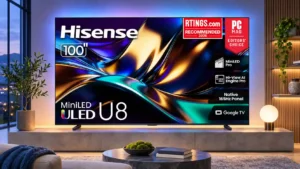
Some film material pans smoothly, while other sources and settings introduce judder-like or dropped-frame problems.
Pros: peak brightness, HDR brightness
Cons: sound quality, viewing angles
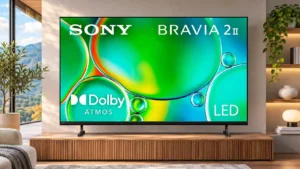
Film-based 1080i and select 24p sources are handled well; native streaming apps and 60 Hz sources can still show unwanted judder.
Pros: picture quality, overall satisfaction
Cons: sound quality, reliability
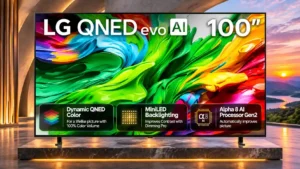
Most 24p content and film-derived 1080i are handled smoothly, with 25p-in-60p signals a notable exception.
Pros: picture quality, maximum volume
Cons: sound quality, bass performance
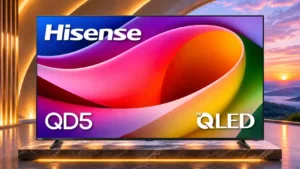
The TV removes 24Hz judder automatically, with an additional motion setting needed for some app or broadcast sources.
Pros: overall satisfaction, picture quality
Cons: Weight and handling, black levels
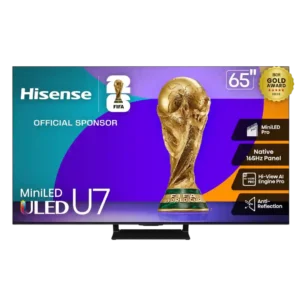
A reviewer using custom motion controls found a judder setting of 7 a good starting point and described motion as sharp afterward.
Pros: overall satisfaction, picture quality
Cons: reliability, build quality
Most movie and TV signals are handled without judder, though certain 25p material carried in 60p can show imperfect frame timing.
Pros: gaming performance, overall satisfaction
Cons: sound quality, value for money
Most ordinary viewing looks fine, although some 25 fps material in a 60Hz feed still shows judder.
Pros: picture quality, 4K at 144 Hz support
Cons: sound quality, value for money
Properly configured 24p movies look judder-free; some 25p signals and challenging pans still show periodic jitter.
Pros: peak brightness, overall satisfaction
Cons: value for money, shadow detail
Film signals and 1080i broadcasts can look smooth, but some cable boxes and 60Hz delivery paths still introduce uneven motion. Interpolation does not reliably resolve every case.
Pros: picture quality, smart TV platform
Cons: value for money, refresh rate
Native 24p material can play smoothly, but some sources or settings introduce visible judder that requires tuning.
Pros: color accuracy, upscaling quality
Cons: picture quality, sound quality

Motionflow handles judder naturally with only mild artifacts, and small adjustments can smooth difficult pans without making movies look artificial.
Pros: gaming performance, peak brightness
Cons: HDMI 2.1 support, HDMI 2.1 port count
Film-rate content is a weak point, with visible 24p judder despite options to modify the look of motion.
Pros: black levels, picture quality
Cons: HDR performance, blooming control
Film cadence handling varies by source: 1080i film-based content performs well, but many 60Hz external sources retain 24p judder.
Pros: viewing angles, smart TV platform
Cons: overall satisfaction, refresh rate
Slow pans can show judder, particularly in demanding film scenes; low motion settings sometimes improve it.
Pros: peak brightness, picture quality
Cons: HDMI 2.1 port count, reflection handling