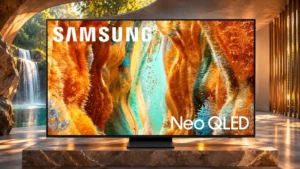
Very low lag makes button presses feel immediate, which is a clear strength for gaming.
Pros: picture quality, 4K at 144 Hz support
Cons: sound quality, value for money

Very low lag makes button presses feel immediate, which is a clear strength for gaming.
Pros: picture quality, 4K at 144 Hz support
Cons: sound quality, value for money
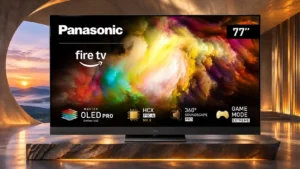
True Game responds almost instantly to controller inputs, giving fast gameplay a notably responsive feel.
Pros: overall satisfaction, picture quality
Cons: size options, value for money
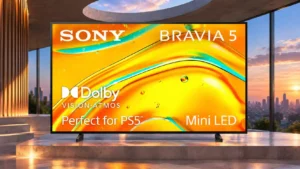
Game mode responds promptly, with particularly impressive 120Hz lag results for a Sony LCD.
Pros: picture quality, black levels
Cons: HDR brightness, value for money

Controller inputs register very quickly in Game Master, making responsiveness one of the QM5K's standout strengths.
Pros: black levels, picture quality
Cons: HDR performance, blooming control
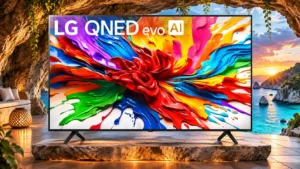
Game Optimizer delivers low controller delay, impressing several tests and making console play responsive. One tester was more cautious about demanding competitive shooters.
Pros: gaming performance, overall satisfaction
Cons: sound quality, value for money
Input lag is consistently very low, giving button presses an immediate feel even on this inexpensive 60Hz set.
Pros: color accuracy, upscaling quality
Cons: picture quality, sound quality
Low input delay is a consistent strength, making commands register quickly even when the pixels blur moving action.
Pros: viewing angles, smart TV platform
Cons: overall satisfaction, refresh rate

Very low input delay makes the Q77K feel responsive in supported console and PC modes.
Pros: picture quality, value for money
Cons: viewing angles, HDR performance
Very low lag at 120Hz and 144Hz makes button presses feel responsive despite the panel's sluggish pixel response.
Pros: overall satisfaction, picture quality
Cons: Weight and handling, black levels
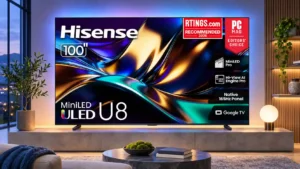
Control response is consistently quick across the tested sizes, including fast console and PC gaming modes.
Pros: peak brightness, HDR brightness
Cons: sound quality, viewing angles
Fast response to controller inputs is a consistent strength and helps games feel immediate despite the slow panel.
Pros: picture quality, smart TV platform
Cons: value for money, refresh rate
Games register controller inputs quickly at 60 Hz, with hands-on figures around 9–10 ms and strong praise for responsiveness.
Pros: picture quality, overall satisfaction
Cons: sound quality, reliability
Controls respond quickly across formats.
Pros: Large-screen immersion, overall satisfaction
Cons: value for money, black levels
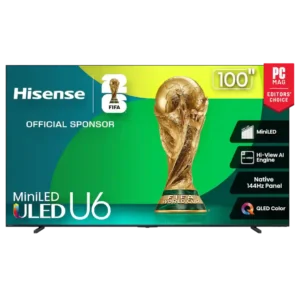
Input lag is consistently low, commonly around 13 ms at 4K/60 and lower at faster modes. Reviewers generally describe the delay as barely perceptible or comfortably within good-gaming territory.
Pros: overall satisfaction, value for money
Cons: smart TV platform, blooming control
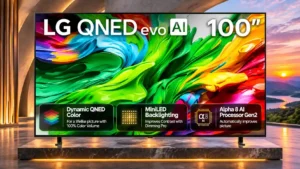
Low input delay helps games feel responsive, especially fast action titles.
Pros: picture quality, maximum volume
Cons: sound quality, bass performance
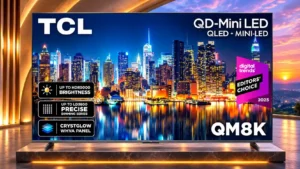
Game Master generally responds quickly enough for fluid console gaming, even if a few competing TVs measure lower input lag.
Pros: peak brightness, picture quality
Cons: HDMI 2.1 port count, reflection handling
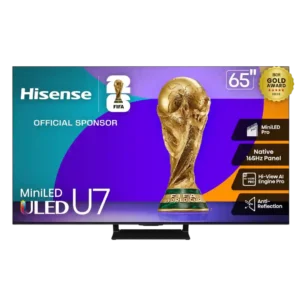
Input lag is usually excellent in Game Mode, with several measurements around 10ms and many gamers reporting a responsive feel.
Pros: overall satisfaction, picture quality
Cons: reliability, build quality
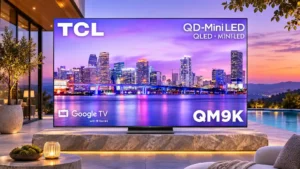
Game mode is usually fast and responsive, although measurements differ and leaving the mode off can cause extreme lag. Some OLED competitors remain faster.
Pros: peak brightness, overall satisfaction
Cons: value for money, shadow detail

Input lag is good enough for most console players, with sub-frame results at 60Hz and 120Hz, though some comparisons find Sony slower than rivals.
Pros: gaming performance, peak brightness
Cons: HDMI 2.1 support, HDMI 2.1 port count
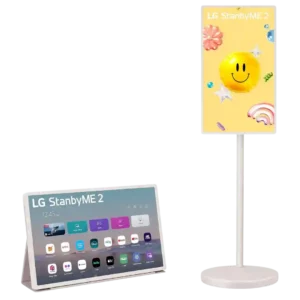
The only direct input-lag complaint was severe, with one customer calling HDMI responsiveness awful for gaming. Buyers focused on low-latency play should be cautious.
Pros: overall satisfaction, portability and versatility
Cons: value for money, menu responsiveness