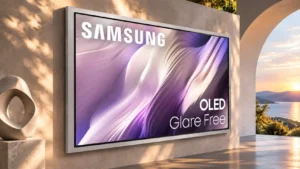
Overall: 4.2/5
Subtle color transitions are usually smooth with barely noticeable banding, even in demanding skies or dark gradients.
Pros: picture quality, overall satisfaction
Cons: design and appearance, Dolby Vision support

Overall: 4.2/5
Subtle color transitions are usually smooth with barely noticeable banding, even in demanding skies or dark gradients.
Pros: picture quality, overall satisfaction
Cons: design and appearance, Dolby Vision support
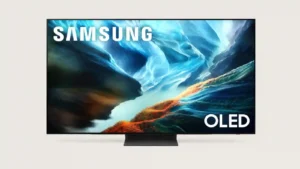
Overall: 4.5/5
Gradients are handled cleanly with little visible banding, including difficult skies, dark scenes and streamed material.
Pros: glare resistance, black levels
Cons: Dolby Vision support, color gamut
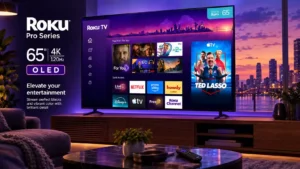
Overall: 4.1/5
HDR footage shows clean color transitions without visible banding in the reported viewing sessions.
Pros: contrast ratio, value for money
Cons: peak brightness, HDR brightness
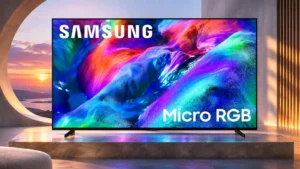
Overall: 3.8/5
HDR transitions between close colors are exceptionally smooth, with little noticeable banding.
Pros: overall satisfaction, color gamut
Cons: value for money, local dimming performance
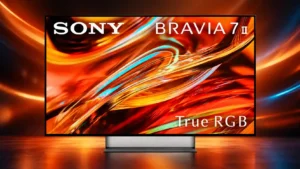
Overall: 4.2/5
Gradients are exceptionally smooth in most content, with difficult skies and color transitions showing very little banding.
Pros: overall satisfaction, picture quality
Cons: HDMI 2.1 port count, reflection handling
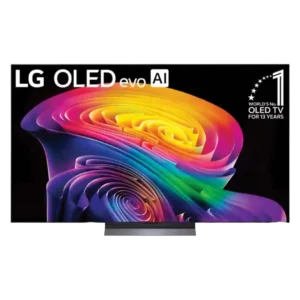
Overall: 4.1/5
Color transitions are notably smoother than on the C5, with posterization mostly confined to extreme torture-test scenes.
Pros: picture quality, gaming performance
Cons: value for money, sound quality
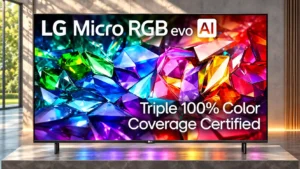
Overall: 4.0/5
Fine shades and subtle transitions add richness to familiar footage, revealing tonal variations that might otherwise be missed.
Pros: peak brightness, picture quality
Cons: value for money, viewing angles
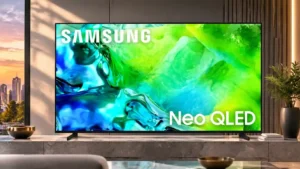
Overall: 3.8/5
Smooth HDR color transitions are a strength, with little visible banding outside a few bright green areas.
Pros: picture quality, contrast ratio
Cons: blooming control, glare resistance
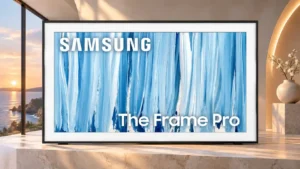
Overall: 3.8/5
Subtle color transitions look smooth, without obvious steps or banding.
Pros: cable management, design and appearance
Cons: value for money, Dolby Vision support
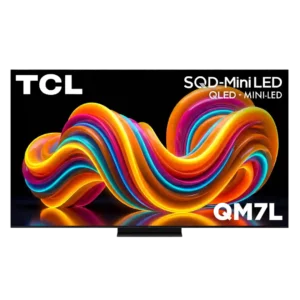
Overall: 3.9/5
Transitions from dark to bright look smooth and clean, without obvious stepping.
Pros: peak brightness, picture quality
Cons: color accuracy, viewing angles
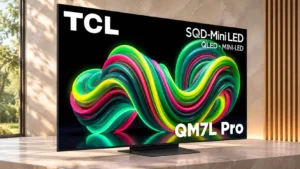
Overall: 4.1/5
Gradual color and brightness changes remain smooth, with no obvious banding across gently shaded HDR areas.
Pros: picture quality, black levels
Cons: viewing angles, motion clarity
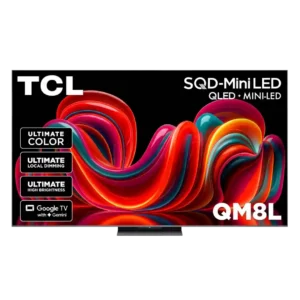
Overall: 4.4/5
Color transitions remain smooth in difficult scenes, avoiding the stepped or blocky look that often appears on lesser displays.
Pros: picture quality, value for money
Cons: stand quality, judder handling
Overall: 4.4/5
Complex color transitions are exceptionally smooth and among the best seen on OLED. Only heavily compressed or Dolby Vision material occasionally reveals residual issues.
Pros: picture quality, peak brightness
Cons: value for money, sound quality
Overall: 4.1/5
Smooth tonal transitions are a standout, with minimal posterization in most HDR scenes. A few demanding dark clips still uncover faint lines.
Pros: gaming performance, HDR brightness
Cons: reflection handling, glare resistance
Overall: 4.3/5
Gradients are usually smooth and clean, with strong 10-bit handling and very little visible posterization in difficult scenes.
Pros: overall satisfaction, overall image accuracy
Cons: value for money, bass performance
Overall: 4.3/5
Subtle shaded transitions appear smooth in some tests, although separate testing reports visible darker-toned banding.
Pros: picture quality, black levels
Cons: bass performance, HDR brightness
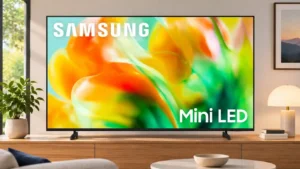
Overall: 3.1/5
Gradients appear clean and consistent across most shades, with some roughness confined to darker blue and green.
Pros: gaming performance, color accuracy
Cons: value for money, overall satisfaction
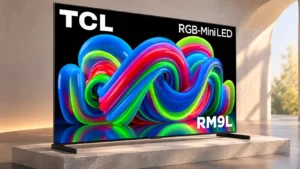
Overall: 3.8/5
Most color transitions are smooth with only minor, barely noticeable steps outside the problematic Dolby Vision examples.
Pros: picture quality, overall satisfaction
Cons: color crosstalk, value for money
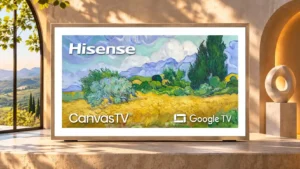
Overall: 3.8/5
Color gradients are mostly smooth with limited banding, aside from some bright green shades.
Pros: picture quality, color accuracy
Cons: HDR performance, sound quality

Overall: 4.0/5
HDR gradients are generally smooth, with minor banding appearing in a few difficult tones.
Pros: peak brightness, blooming control
Cons: value for money, motion clarity

Overall: 3.1/5
Color transitions are generally smooth, with only light banding in dark grays, greens, and blues. Most shaded scenes still look clean.
Pros: design and appearance, maximum volume
Cons: picture quality, value for money
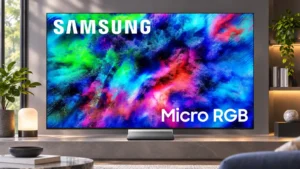
Overall: 3.7/5
Most gradients appear smooth and clean, including several challenging game and movie scenes. A little green banding or instability can still appear.
Pros: color volume, overall satisfaction
Cons: value for money, color accuracy
Overall: 4.1/5
Smooth gradients are often a strength, with a few observations of brighter-color banding or poorer transitions than competing sets.
Pros: peak brightness, picture quality
Cons: value for money, color accuracy
Overall: 4.1/5
Most color transitions are subtle and smooth, but very dark gray gradients can exhibit banding.
Pros: black levels, contrast ratio
Cons: Dolby Vision support, stutter handling
Overall: 4.0/5
Color gradients are generally smooth with some darker banding. Dark gradients can show posterization.
Pros: black levels, picture quality
Cons: glare resistance, reflection handling
Overall: 3.8/5
Color transitions look generally smooth, with a little banding in difficult gradients rather than major posterization.
Pros: HDMI 2.1 port count, overall satisfaction
Cons: HDR performance, bass performance

Overall: 3.4/5
Dark gradients and some blue or green transitions can show conspicuous banding, although another assessment found smooth shading acceptable.
Pros: art display mode, picture quality
Cons: contrast ratio, high-refresh-rate gaming
Overall: 3.1/5
One test finds banding in dark tones, while another reports smooth shaded areas, so the verdict is not unanimous.
Pros: picture quality, overall satisfaction
Cons: sound quality, black levels
Overall: 4.1/5
Color transitions show some mild banding, leaving gradients adequate rather than pristine.
Pros: overall satisfaction, value for money
Cons: Smart TV platform, advertising intrusiveness
Overall: 2.6/5
Gradients look only adequate, with visible banding in dark tones and especially limited red transitions.
Pros: sound quality, picture quality
Cons: value for money, local dimming performance
Overall: 2.7/5
Gradient transitions are only passable, with obvious bands in dark shades and especially bright reds.
Pros: white balance accuracy, design and appearance
Cons: overall satisfaction, value for money
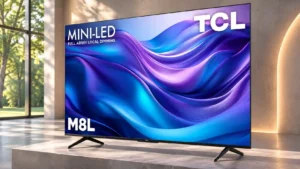
Overall: 4.1/5
Color gradients show visible banding, particularly in HDR material with demanding shades.
Pros: value for money, overall satisfaction
Cons: HDR brightness
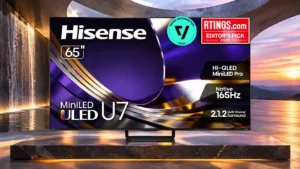
Overall: 4.2/5
Dark HDR skies and gradients may show banding, with unusual artifacts sometimes visible in greens.
Pros: overall satisfaction, glare resistance
Cons: motion handling, viewing angles
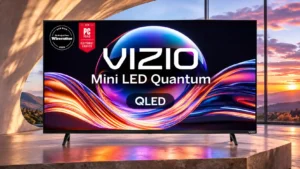
Overall: 2.9/5
Visible banding in dark grays and greens prevents consistently smooth color transitions.
Pros: value for money, picture quality
Cons: account requirements, gaming performance
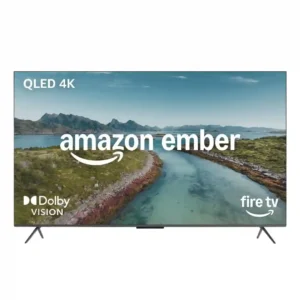
Overall: 3.3/5
One owner reported visible gradation rings in dark-to-light skies. That suggests gradient transitions can expose artifacts in some content.
Pros: picture quality, overall satisfaction
Cons: value for money, reliability