Best for gradient handling
Samsung S95H OLED
5.0 attribute score
Highest scored product for this attribute based on supporting review evidence.

Highest scored product for this attribute based on supporting review evidence.
Balances the attribute score, supporting reviews, and overall product strength.
Has the broadest review evidence for this attribute.
Strongest overall product among items with scored evidence for this attribute.
Overall: 4.2/5
Subtle color transitions are usually smooth with barely noticeable banding, even in demanding skies or dark gradients.
Pros: picture quality, overall satisfaction
Cons: design and appearance, Dolby Vision support

Overall: 4.5/5
Gradients are handled cleanly with little visible banding, including difficult skies, dark scenes and streamed material.
Pros: glare resistance, black levels
Cons: Dolby Vision support, color gamut
Overall: 3.8/5
Smooth tonal transitions are a consistent standout strength, with little visible banding in HDR color gradients.
Pros: overall satisfaction, picture quality
Cons: value for money, local dimming performance
Overall: 4.1/5
HDR footage shows clean color transitions without visible banding in the reported viewing sessions.
Pros: contrast ratio, value for money
Cons: peak brightness, HDR brightness
Overall: 3.8/5
HDR transitions between close colors are exceptionally smooth, with little noticeable banding.
Pros: overall satisfaction, color gamut
Cons: value for money, local dimming performance

Overall: 3.9/5
Smooth gradations are handled particularly well, with only small traces of banding in demanding HDR content.
Pros: color volume, black levels
Cons: Inconsistent panel and coating by size, sound quality
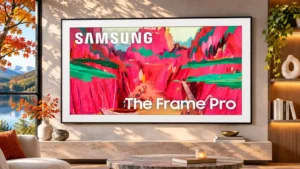
Overall: 3.8/5
Gradients look smooth with little visible color banding, even through subtle tonal changes.
Pros: Wireless One Connect compatibility, art display mode
Cons: value for money, input lag
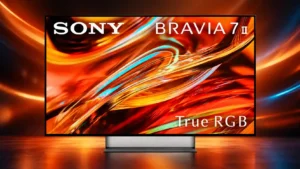
Overall: 4.2/5
Gradients are exceptionally smooth in most content, with difficult skies and color transitions showing very little banding.
Pros: overall satisfaction, picture quality
Cons: HDMI 2.1 port count, reflection handling

Overall: 4.1/5
Color transitions are notably smoother than on the C5, with posterization mostly confined to extreme torture-test scenes.
Pros: picture quality, gaming performance
Cons: value for money, sound quality
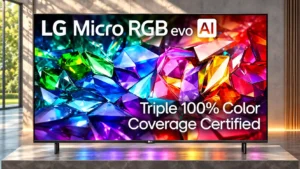
Overall: 4.0/5
Fine shades and subtle transitions add richness to familiar footage, revealing tonal variations that might otherwise be missed.
Pros: peak brightness, picture quality
Cons: value for money, viewing angles

Overall: 3.8/5
Smooth HDR color transitions are a strength, with little visible banding outside a few bright green areas.
Pros: picture quality, contrast ratio
Cons: blooming control, glare resistance

Overall: 3.8/5
Subtle color transitions look smooth, without obvious steps or banding.
Pros: cable management, design and appearance
Cons: value for money, Dolby Vision support
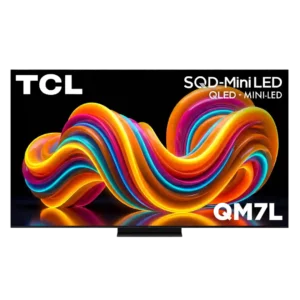
Overall: 3.9/5
Transitions from dark to bright look smooth and clean, without obvious stepping.
Pros: peak brightness, picture quality
Cons: color accuracy, viewing angles
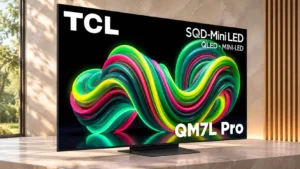
Overall: 4.1/5
Gradual color and brightness changes remain smooth, with no obvious banding across gently shaded HDR areas.
Pros: picture quality, black levels
Cons: viewing angles, motion clarity
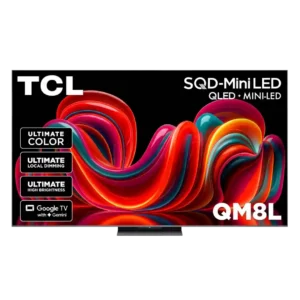
Overall: 4.4/5
Color transitions remain smooth in difficult scenes, avoiding the stepped or blocky look that often appears on lesser displays.
Pros: picture quality, value for money
Cons: stand quality, judder handling

Overall: 4.4/5
Complex color transitions are exceptionally smooth and among the best seen on OLED. Only heavily compressed or Dolby Vision material occasionally reveals residual issues.
Pros: picture quality, peak brightness
Cons: value for money, sound quality
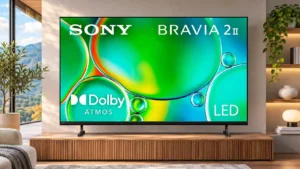
Overall: 3.6/5
Most HDR gradients look clean and nuanced, with only isolated banding in particular colors and brightness ranges.
Pros: picture quality, overall satisfaction
Cons: sound quality, reliability
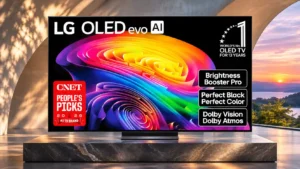
Overall: 4.1/5
Smooth tonal transitions are a standout, with minimal posterization in most HDR scenes. A few demanding dark clips still uncover faint lines.
Pros: gaming performance, HDR brightness
Cons: reflection handling, glare resistance
Overall: 4.2/5
Subtle tonal changes usually look smooth and natural, although a little banding appears in some dark grays and bright greens.
Pros: value for money, color accuracy
Cons: HDR brightness, reflection handling
Overall: 4.3/5
HDR10 gradients are mostly smooth, while Dolby Vision and near-black scenes can expose occasional uneven transitions.
Pros: picture quality, color accuracy
Cons: bass performance, HDMI 2.1 port count
Overall: 3.9/5
Smooth 10-bit transitions and minimal posterization help sunsets and subtle HDR tones look clean.
Pros: value for money, overall satisfaction
Cons: Dolby Vision support, sound quality
Overall: 4.3/5
Gradients are usually smooth and clean, with strong 10-bit handling and very little visible posterization in difficult scenes.
Pros: overall satisfaction, overall image accuracy
Cons: value for money, bass performance
Overall: 4.1/5
Most transitions look smooth and clean, though some bright reds and greens still display mild banding.
Pros: peak brightness, HDR brightness
Cons: sound quality, viewing angles
Overall: 3.9/5
Smooth tonal fades show little obvious banding or blocking. Small imperfections are usually hard to notice.
Pros: gaming performance, overall satisfaction
Cons: sound quality, value for money
Overall: 4.3/5
Subtle shaded transitions appear smooth in some tests, although separate testing reports visible darker-toned banding.
Pros: picture quality, black levels
Cons: bass performance, HDR brightness

Overall: 3.1/5
Gradients appear clean and consistent across most shades, with some roughness confined to darker blue and green.
Pros: gaming performance, color accuracy
Cons: value for money, overall satisfaction

Overall: 3.8/5
Most color transitions are smooth with only minor, barely noticeable steps outside the problematic Dolby Vision examples.
Pros: picture quality, overall satisfaction
Cons: color crosstalk, value for money
Overall: 3.8/5
Color gradients are mostly smooth with limited banding, aside from some bright green shades.
Pros: picture quality, color accuracy
Cons: HDR performance, sound quality

Overall: 4.0/5
Smooth color transitions largely avoid distracting posterization, with faint dark-band limitations in select material.
Pros: reflection handling, overall satisfaction
Cons: Dolby Vision support, bass performance
Overall: 4.0/5
Smooth gradations and low-quality stream cleanup are strengths, with only limited banding in difficult shades.
Pros: picture quality, black levels
Cons: HDR brightness, value for money

Overall: 4.0/5
HDR gradients are generally smooth, with minor banding appearing in a few difficult tones.
Pros: peak brightness, blooming control
Cons: value for money, motion clarity

Overall: 4.2/5
After firmware refinements, most accurate picture modes show smooth color transitions. Vivid and Standard can retain some harsher HDR10 gradients.
Pros: overall satisfaction, picture quality
Cons: banding control, remote control quality
Overall: 3.9/5
Gradients and dark shading are usually excellent, with smooth tonal transitions and strong near-black detail; the gradation control itself does not always make a large difference.
Pros: gaming performance, peak brightness
Cons: HDMI 2.1 support, HDMI 2.1 port count

Overall: 3.1/5
Color transitions are generally smooth, with only light banding in dark grays, greens, and blues. Most shaded scenes still look clean.
Pros: design and appearance, maximum volume
Cons: picture quality, value for money
Overall: 3.7/5
Most gradients appear smooth and clean, including several challenging game and movie scenes. A little green banding or instability can still appear.
Pros: color volume, overall satisfaction
Cons: value for money, color accuracy
Overall: 3.9/5
Smooth tonal transitions generally look good, with little distracting banding noted in shaded areas.
Pros: picture quality, contrast ratio
Cons: HDR performance, motion handling
Overall: 3.0/5
Gradual shades appear smooth, without obvious color banding across a normal picture.
Pros: color accuracy, Picture detail
Cons: HDR performance, motion clarity

Overall: 3.8/5
Most HDR gradients look smooth, with some visible banding in dark gray and bright red transitions.
Pros: picture quality, 4K at 144 Hz support
Cons: sound quality, value for money
Overall: 4.2/5
Color blends are generally clean, with occasional visible gradation steps in selected brighter colors.
Pros: picture quality, glare resistance
Cons: value for money, bass performance
Overall: 4.2/5
Dolby Vision gradations are described as smooth and controlled, although HDR10 transitions can look more abrupt in demanding sequences.
Pros: overall satisfaction, value for money
Cons: smart TV platform, blooming control
Overall: 3.3/5
Most gradations appear smooth, although green shades exhibit visible bands.
Pros: overall satisfaction, picture quality
Cons: reliability, remote control quality

Overall: 3.3/5
Gradients are generally smooth for the price, with only moderate banding showing up in select dark colors.
Pros: color accuracy, upscaling quality
Cons: picture quality, sound quality

Overall: 3.9/5
Most transitions look decent, but some dark grays, reds, and green gradients show banding.
Pros: peak brightness, value for money
Cons: reflection handling, glare resistance
Overall: 4.1/5
Smooth gradients are often a strength, with a few observations of brighter-color banding or poorer transitions than competing sets.
Pros: peak brightness, picture quality
Cons: value for money, color accuracy
Overall: 4.1/5
Most color transitions are subtle and smooth, but very dark gray gradients can exhibit banding.
Pros: black levels, contrast ratio
Cons: Dolby Vision support, stutter handling
Overall: 3.3/5
Gradients are generally serviceable, with relatively smooth shifts in many shades. Greens and saturated reds can still reveal visible steps.
Pros: picture quality, motion handling
Cons: HDR performance, HDR brightness
Overall: 3.0/5
Gradients are generally acceptable, but dark blue and green areas can show visible steps and softness.
Pros: viewing angles, smart TV platform
Cons: overall satisfaction, refresh rate

Overall: 4.0/5
Color gradients are generally smooth with some darker banding. Dark gradients can show posterization.
Pros: black levels, picture quality
Cons: glare resistance, reflection handling

Overall: 3.4/5
Color and brightness transitions are mostly smooth, though darker gradients can reveal some banding.
Pros: picture quality, value for money
Cons: viewing angles, HDR performance
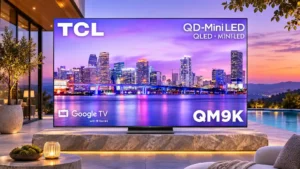
Overall: 3.9/5
Gradients are usually smooth, but subtle gray bands remain visible and some rivals clean them up more completely.
Pros: peak brightness, overall satisfaction
Cons: value for money, shadow detail