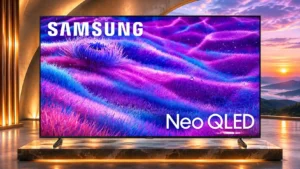
Overall: 3.8/5
Smooth tonal transitions are a consistent standout strength, with little visible banding in HDR color gradients.
Pros: overall satisfaction, picture quality
Cons: value for money, local dimming performance

Overall: 3.8/5
Smooth tonal transitions are a consistent standout strength, with little visible banding in HDR color gradients.
Pros: overall satisfaction, picture quality
Cons: value for money, local dimming performance
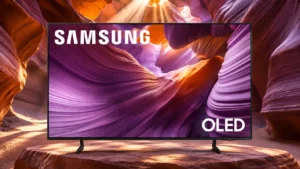
Overall: 3.9/5
Smooth gradations are handled particularly well, with only small traces of banding in demanding HDR content.
Pros: color volume, black levels
Cons: Inconsistent panel and coating by size, sound quality
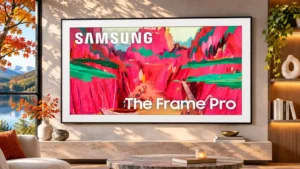
Overall: 3.8/5
Gradients look smooth with little visible color banding, even through subtle tonal changes.
Pros: Wireless One Connect compatibility, art display mode
Cons: value for money, input lag
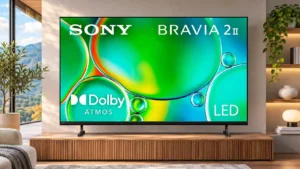
Overall: 3.6/5
Most HDR gradients look clean and nuanced, with only isolated banding in particular colors and brightness ranges.
Pros: picture quality, overall satisfaction
Cons: sound quality, reliability
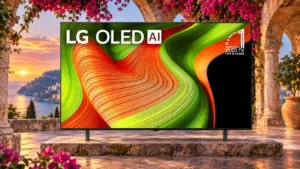
Overall: 4.2/5
Subtle tonal changes usually look smooth and natural, although a little banding appears in some dark grays and bright greens.
Pros: value for money, color accuracy
Cons: HDR brightness, reflection handling
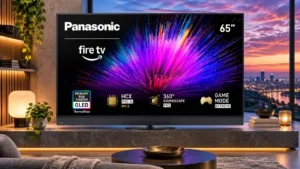
Overall: 4.3/5
HDR10 gradients are mostly smooth, while Dolby Vision and near-black scenes can expose occasional uneven transitions.
Pros: picture quality, color accuracy
Cons: bass performance, HDMI 2.1 port count
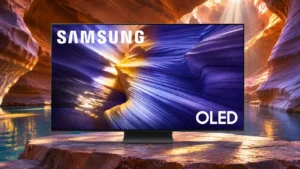
Overall: 3.9/5
Smooth 10-bit transitions and minimal posterization help sunsets and subtle HDR tones look clean.
Pros: value for money, overall satisfaction
Cons: Dolby Vision support, sound quality
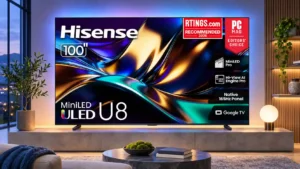
Overall: 4.1/5
Most transitions look smooth and clean, though some bright reds and greens still display mild banding.
Pros: peak brightness, HDR brightness
Cons: sound quality, viewing angles
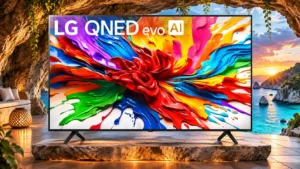
Overall: 3.9/5
Smooth tonal fades show little obvious banding or blocking. Small imperfections are usually hard to notice.
Pros: gaming performance, overall satisfaction
Cons: sound quality, value for money
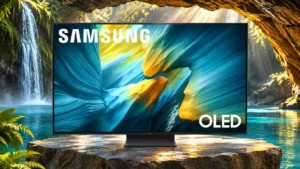
Overall: 4.0/5
Smooth color transitions largely avoid distracting posterization, with faint dark-band limitations in select material.
Pros: reflection handling, overall satisfaction
Cons: Dolby Vision support, bass performance
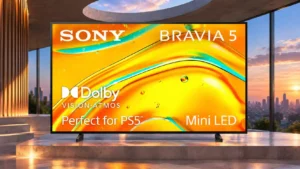
Overall: 4.0/5
Smooth gradations and low-quality stream cleanup are strengths, with only limited banding in difficult shades.
Pros: picture quality, black levels
Cons: HDR brightness, value for money

Overall: 4.2/5
After firmware refinements, most accurate picture modes show smooth color transitions. Vivid and Standard can retain some harsher HDR10 gradients.
Pros: overall satisfaction, picture quality
Cons: banding control, remote control quality
Overall: 3.9/5
Gradients and dark shading are usually excellent, with smooth tonal transitions and strong near-black detail; the gradation control itself does not always make a large difference.
Pros: gaming performance, peak brightness
Cons: HDMI 2.1 support, HDMI 2.1 port count
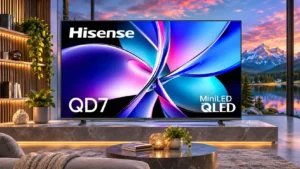
Overall: 3.9/5
Smooth tonal transitions generally look good, with little distracting banding noted in shaded areas.
Pros: picture quality, contrast ratio
Cons: HDR performance, motion handling
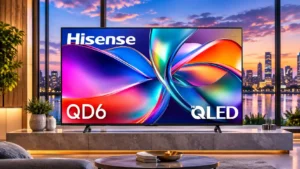
Overall: 3.0/5
Gradual shades appear smooth, without obvious color banding across a normal picture.
Pros: color accuracy, Picture detail
Cons: HDR performance, motion clarity
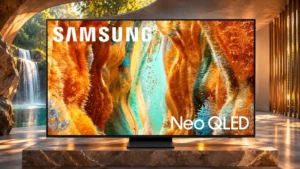
Overall: 3.8/5
Most HDR gradients look smooth, with some visible banding in dark gray and bright red transitions.
Pros: picture quality, 4K at 144 Hz support
Cons: sound quality, value for money
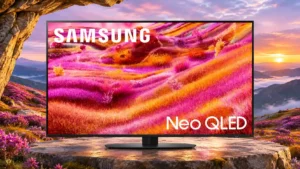
Overall: 4.2/5
Color blends are generally clean, with occasional visible gradation steps in selected brighter colors.
Pros: picture quality, glare resistance
Cons: value for money, bass performance
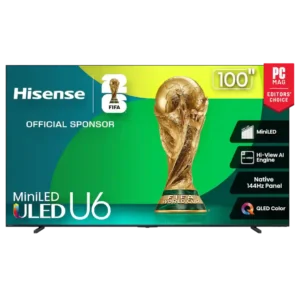
Overall: 4.2/5
Dolby Vision gradations are described as smooth and controlled, although HDR10 transitions can look more abrupt in demanding sequences.
Pros: overall satisfaction, value for money
Cons: smart TV platform, blooming control
Overall: 3.3/5
Gradients are generally smooth for the price, with only moderate banding showing up in select dark colors.
Pros: color accuracy, upscaling quality
Cons: picture quality, sound quality

Overall: 3.9/5
Most transitions look decent, but some dark grays, reds, and green gradients show banding.
Pros: peak brightness, value for money
Cons: reflection handling, glare resistance
Overall: 3.3/5
Gradients are generally serviceable, with relatively smooth shifts in many shades. Greens and saturated reds can still reveal visible steps.
Pros: picture quality, motion handling
Cons: HDR performance, HDR brightness
Overall: 3.0/5
Gradients are generally acceptable, but dark blue and green areas can show visible steps and softness.
Pros: viewing angles, smart TV platform
Cons: overall satisfaction, refresh rate

Overall: 3.4/5
Color and brightness transitions are mostly smooth, though darker gradients can reveal some banding.
Pros: picture quality, value for money
Cons: viewing angles, HDR performance
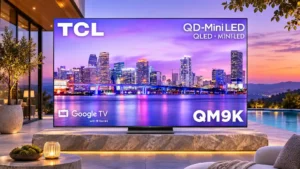
Overall: 3.9/5
Gradients are usually smooth, but subtle gray bands remain visible and some rivals clean them up more completely.
Pros: peak brightness, overall satisfaction
Cons: value for money, shadow detail
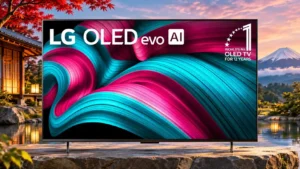
Overall: 4.0/5
Smooth tonal transitions are typically good after firmware fixes, though some modes and dark Dolby Vision scenes can still reveal banding or dithering.
Pros: value for money, overall satisfaction
Cons: Remote control usability, sound quality

Overall: 4.0/5
Gradient handling is mixed: some smoothing tools work well, yet darker gradients can still show visible banding.
Pros: overall satisfaction, picture quality
Cons: reliability, build quality
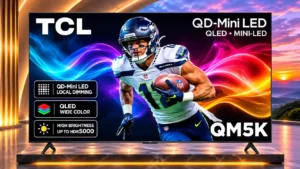
Overall: 3.6/5
Shaded areas can look smooth on some tested sizes, but HDR gradients may show visible banding, especially in greens.
Pros: black levels, picture quality
Cons: HDR performance, blooming control
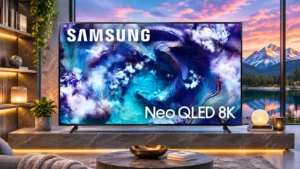
Overall: 4.2/5
Gradients are a weak point: smooth color transitions can break into visible bands, particularly in blue skies and pale tones.
Pros: high-refresh-rate gaming, gaming performance
Cons: value for money, bass performance
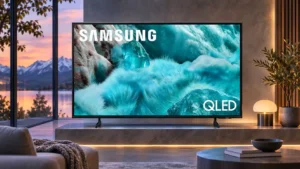
Overall: 3.0/5
HDR gradients show visible bands, while attempts to smooth tonal transitions were considered ineffective by another tester.
Pros: color gamut, smart TV platform
Cons: value for money, overall satisfaction
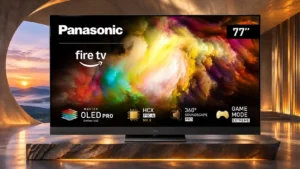
Overall: 4.0/5
Most gradients are clean, but low-light HDR scenes can develop visible posterization and shimmering.
Pros: overall satisfaction, picture quality
Cons: size options, value for money
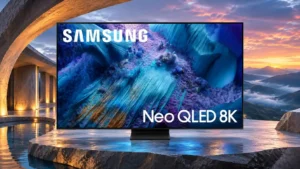
Overall: 3.8/5
Bright gradients can break into visible bands instead of blending smoothly.
Pros: glare resistance, overall satisfaction
Cons: input lag, value for money
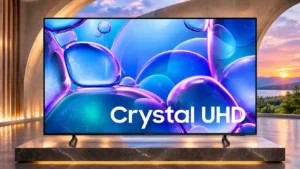
Overall: 3.0/5
Saturated HDR gradients can lose nearly all intermediate steps even when other tonal transitions look smooth.
Pros: picture quality, smart TV platform
Cons: value for money, refresh rate
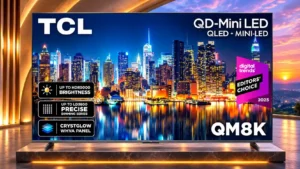
Overall: 4.0/5
Most colorful material looks smooth, but some challenging gradients show inaccuracies or banding rather than seamless tonal transitions.
Pros: peak brightness, picture quality
Cons: HDMI 2.1 port count, reflection handling