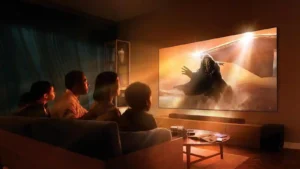
Bright saturated colors are a standout, giving HDR highlights and bold hues unusual intensity while retaining Sony’s restrained tuning.
Pros: gaming performance, peak brightness
Cons: HDMI 2.1 support, HDMI 2.1 port count

Bright saturated colors are a standout, giving HDR highlights and bold hues unusual intensity while retaining Sony’s restrained tuning.
Pros: gaming performance, peak brightness
Cons: HDMI 2.1 support, HDMI 2.1 port count
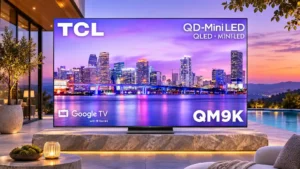
Rich, highly saturated colors remain vibrant even in bright scenes. Some side-by-side comparisons find the palette a little less full or faithful than competing OLED sets.
Pros: peak brightness, overall satisfaction
Cons: value for money, shadow detail
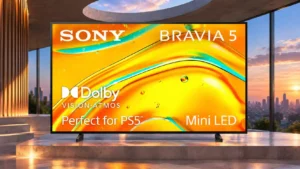
Bright HDR colors remain punchy, particularly on the 98-inch panel, which has more color-brightness headroom than the 65-inch version.
Pros: picture quality, black levels
Cons: HDR brightness, value for money

Colors are usually described as vivid, punchy, and lively, with brightness helping saturated scenes stand out.
Pros: overall satisfaction, picture quality
Cons: reliability, build quality
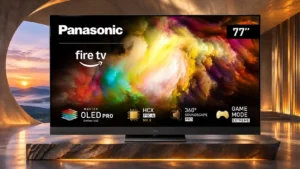
Rich, saturated colors draw praise, but the OLED panel can wash out brighter hues compared with some higher-end competitors.
Pros: overall satisfaction, picture quality
Cons: size options, value for money
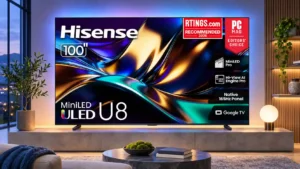
Colors often remain striking at high brightness, but the 100-inch model is markedly weaker in SDR color volume than the 65-inch.
Pros: peak brightness, HDR brightness
Cons: sound quality, viewing angles
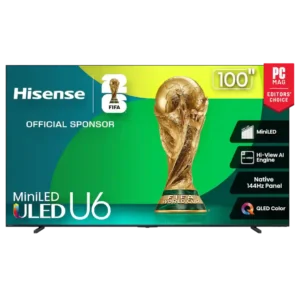
Color volume gets sharply different reactions. Two hands-on reviewers praise vivid, rich color, while a buyer's guide warns that the wider color coverage is relatively weak compared with higher-end sets.
Pros: overall satisfaction, value for money
Cons: smart TV platform, blooming control
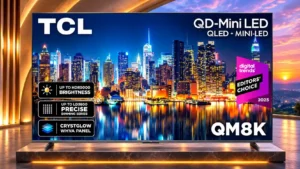
Bright reds, greens, and other saturated shades retain plenty of punch in HDR, though extremely pale scenes can lose a little saturation.
Pros: peak brightness, picture quality
Cons: HDMI 2.1 port count, reflection handling
HDR colors remain fairly lively, though very bright shades desaturate. SDR wide-color reproduction fades more noticeably in bright scenes.
Pros: Large-screen immersion, overall satisfaction
Cons: value for money, black levels
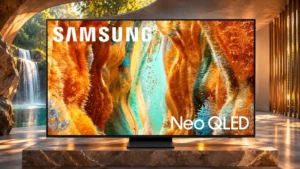
HDR colors retain fairly good richness, while saturated reds can look washed out in brighter SDR scenes.
Pros: picture quality, 4K at 144 Hz support
Cons: sound quality, value for money
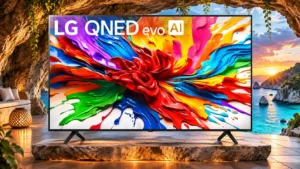
Colors are rich and often vibrant, but high-luminance saturation does not match the strongest competitors. Red and green highlights can be less intense.
Pros: gaming performance, overall satisfaction
Cons: sound quality, value for money
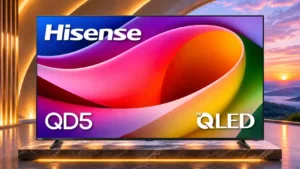
SDR color volume is good, but limited contrast and brightness undermine darker or brighter saturated HDR colors.
Pros: overall satisfaction, picture quality
Cons: Weight and handling, black levels
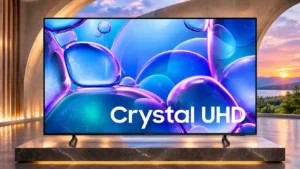
Some videos look punchy and colorful, especially in SDR, but measured saturation and brightness fall short with intense HDR colors.
Pros: picture quality, smart TV platform
Cons: value for money, refresh rate
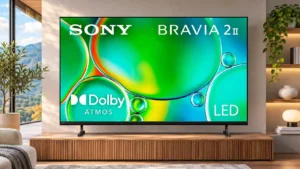
Vivid everyday color impresses many buyers, but technical measurements find that the panel struggles with very bright or dark saturated shades.
Pros: picture quality, overall satisfaction
Cons: sound quality, reliability
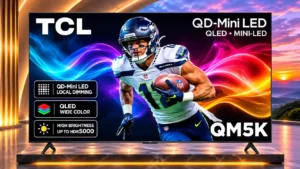
Color has reasonable substance in darker scenes, yet strong reds, greens, and brighter saturated tones are not its specialty.
Pros: black levels, picture quality
Cons: HDR performance, blooming control
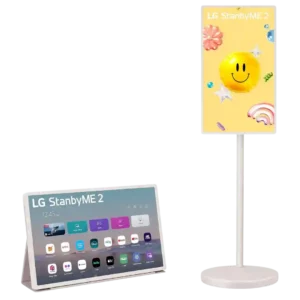
Color is lively overall, but very bright saturated tones can look paler than they do on higher-contrast TVs. The limitation is most obvious in intense HDR effects.
Pros: overall satisfaction, portability and versatility
Cons: value for money, menu responsiveness

The Q77K struggles to maintain saturated HDR colors, particularly darker tones, despite acceptable color presentation in standard content.
Pros: picture quality, value for money
Cons: viewing angles, HDR performance
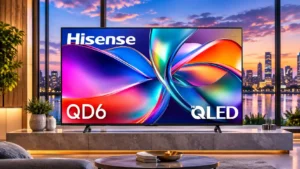
Both bright and dark saturated colors struggle, limiting the sense of richness in HDR and SDR.
Pros: color accuracy, Picture detail
Cons: HDR performance, motion clarity
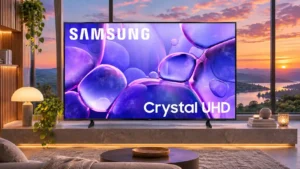
HDR colors lack the depth and brightness of more advanced displays, with some rich shades looking muted or flat.
Pros: color accuracy, upscaling quality
Cons: picture quality, sound quality
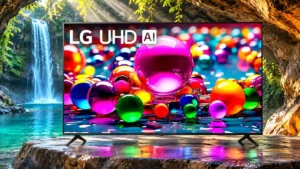
Low measured color volume makes HDR hues look muted, despite positive impressions of colorful demo scenes.
Pros: viewing angles, smart TV platform
Cons: overall satisfaction, refresh rate