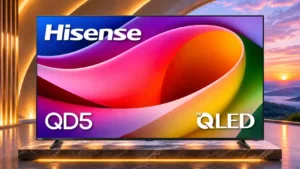
Many owners love the vivid quantum-dot colors; testing also finds strong DCI-P3 coverage, though darker tones are less impressive.
Pros: overall satisfaction, picture quality
Cons: Weight and handling, black levels

Many owners love the vivid quantum-dot colors; testing also finds strong DCI-P3 coverage, though darker tones are less impressive.
Pros: overall satisfaction, picture quality
Cons: Weight and handling, black levels
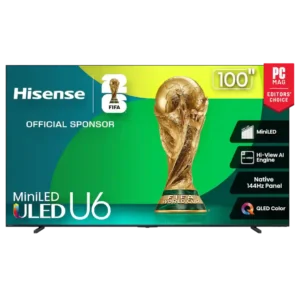
Wide-gamut performance is generally strong for the price, with near-full cinema-gamut coverage reported in some measurements. It is not uniformly flagship-level, but the consensus is positive.
Pros: overall satisfaction, value for money
Cons: smart TV platform, blooming control
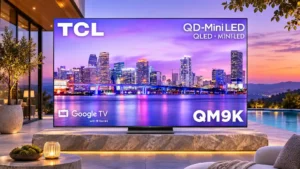
A wide HDR color range makes animation and brightly lit landscapes especially vivid, though the most extreme hues do not always match reference targets.
Pros: peak brightness, overall satisfaction
Cons: value for money, shadow detail
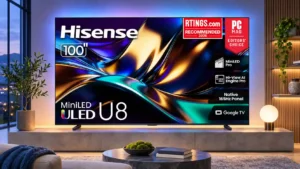
Many sizes display broad, vivid HDR color, while the 100-inch version's simpler panel substantially narrows its color performance.
Pros: peak brightness, HDR brightness
Cons: sound quality, viewing angles
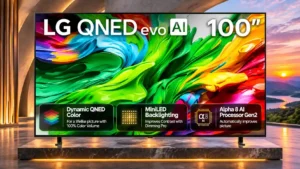
Owners enjoy the vivid, lively colors that give everyday videos an engaging presentation.
Pros: picture quality, maximum volume
Cons: sound quality, bass performance
The QLED panel can produce vibrant colors, although wider color-space coverage and bright saturated tones are less impressive than some rivals.
Pros: picture quality, 4K at 144 Hz support
Cons: sound quality, value for money
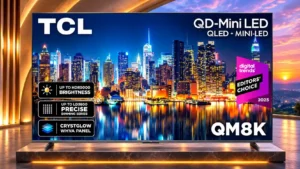
Wide color coverage contributes to bold, lifelike HDR images and vivid animation. Accuracy is a separate question and may require choosing the right mode.
Pros: peak brightness, picture quality
Cons: HDMI 2.1 port count, reflection handling
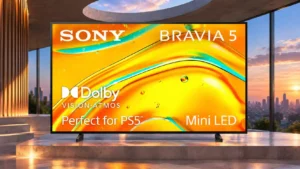
HDR colors cover a wide, useful range and look rich in most content, despite less-than-complete coverage of the broadest gamuts.
Pros: picture quality, black levels
Cons: HDR brightness, value for money
The QD-OLED panel delivers exceptionally wide color coverage, with strong BT.2020 performance and vivid colors that stay controlled rather than cartoonish.
Pros: gaming performance, peak brightness
Cons: HDMI 2.1 support, HDMI 2.1 port count
The screen covers a broad range of colors, particularly in DCI-P3, although some competing flagship models cover slightly more.
Pros: gaming performance, overall satisfaction
Cons: sound quality, value for money

Cartoons and everyday SDR scenes can look lively, but the limited HDR color range prevents deeply saturated highlights from looking rich.
Pros: picture quality, value for money
Cons: viewing angles, HDR performance
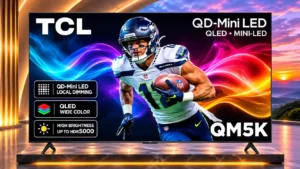
Color coverage is serviceable rather than expansive, with saturated greens and reds showing limitations in demanding material.
Pros: black levels, picture quality
Cons: HDR performance, blooming control
Quantum dots expand color beyond plain LCDs, but wide-color and especially bright red coverage remain relatively limited.
Pros: color accuracy, Picture detail
Cons: HDR performance, motion clarity
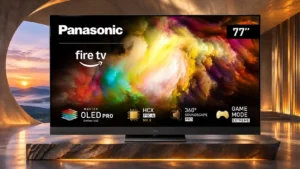
Coverage is strong for standard cinematic colors, but the widest HDR color space exposes some limits in bright reds and greens.
Pros: overall satisfaction, picture quality
Cons: size options, value for money
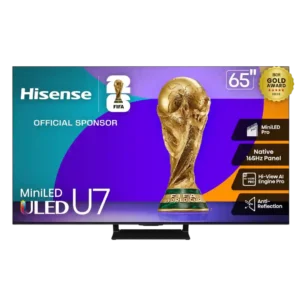
Color gamut is respectable for the price but does not reach the wider coverage of premium OLED and higher-end Mini-LED sets.
Pros: overall satisfaction, picture quality
Cons: reliability, build quality
HDR colors are reasonably lively, but vivid SDR colors can fade in very bright scenes. Color range also trails some competing Mini LED sets.
Pros: Large-screen immersion, overall satisfaction
Cons: value for money, black levels
The limited gamut reduces saturation and HDR impact, even though colors often look balanced in regular SDR viewing.
Pros: color accuracy, upscaling quality
Cons: picture quality, sound quality
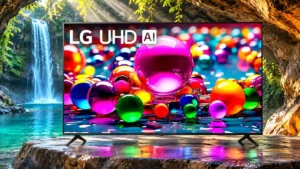
The panel covers a limited range of saturated colors, especially for demanding HDR material.
Pros: viewing angles, smart TV platform
Cons: overall satisfaction, refresh rate
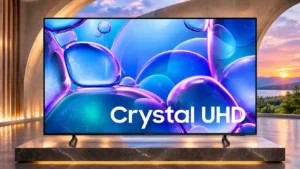
The panel cannot produce the full color range used by richer HDR material, so some vivid shades look muted or clipped.
Pros: picture quality, smart TV platform
Cons: value for money, refresh rate
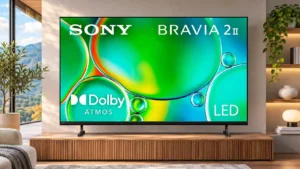
The limited range of colors holds back HDR vibrancy, so advanced color presentations cannot rival richer QLED and Mini-LED sets.
Pros: picture quality, overall satisfaction
Cons: sound quality, reliability