#1
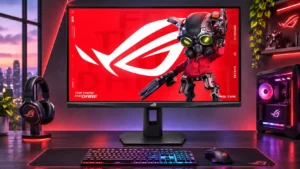
Overall: 3.9/5
G-SYNC Pulsar delivers unusually clear motion while keeping VRR active, including at midrange frame rates. Small double-image artifacts and low-frame-rate cutoffs prevent perfection.
Pros: motion clarity, Backlight strobing
Cons: contrast, HDR performance
#2
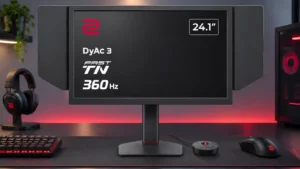
Overall: 3.8/5
DyAc 3 can make fast movement extraordinarily crisp, and some testers prefer it to modern OLED motion. Others see only tiny differences in actual games, and strobing can create duplication...
Pros: competitive gaming suitability, motion clarity
Cons: contrast, overall picture quality
#3
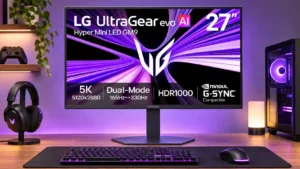
Overall: 4.0/5
The backlight-strobing mode is unusually clear and retains substantial brightness. It is restricted to native-resolution mode, cannot be used with VRR, and is not ideal for every game.
Pros: Resolution, Dual-mode versatility
Cons: value for money, GPU demands
#4
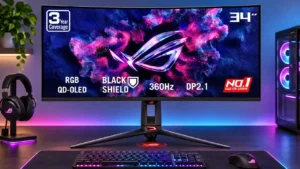
Overall: 4.5/5
ELMB black-frame insertion gives lower-frame-rate games motion clarity approaching the monitor's native 360Hz mode, although it requires a more involved setup.
Pros: color gamut, contrast
Cons: value for money, Resolution
#5
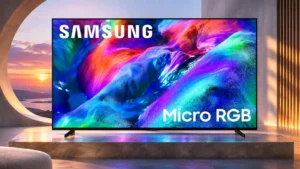
Overall: 3.8/5
Optional black-frame insertion can improve the appearance of movement for viewers who prefer a crisper presentation.
Pros: overall satisfaction, color gamut
Cons: value for money, local dimming performance
#6
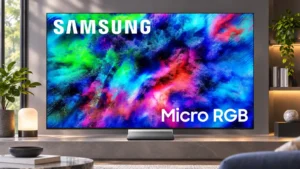
Overall: 3.7/5
Optional black-frame insertion can sharpen motion, but it is a specialist setting rather than a necessity for everyday watching.
Pros: color volume, overall satisfaction
Cons: value for money, color accuracy
#7
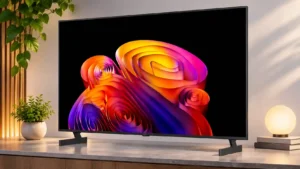
Overall: 4.0/5
Optional black-frame insertion can reduce perceived blur, but its 60Hz-only operation limits flexibility.
Pros: contrast ratio, black levels
Cons: reflection handling, color accuracy
#8
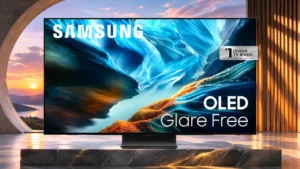
Overall: 4.1/5
Optional black-frame insertion helps with 60Hz blur, but it is restricted to that rate and cannot eliminate persistence completely.
Pros: black levels, contrast ratio
Cons: Dolby Vision support, stutter handling
#9
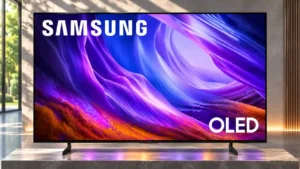
Overall: 4.0/5
BFI helps only at 60Hz and leaves some blur.
Pros: black levels, picture quality
Cons: glare resistance, reflection handling
#10
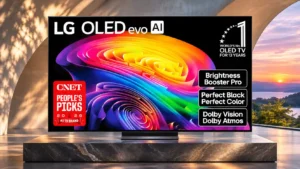
Overall: 4.1/5
Optional BFI reduces 60Hz persistence blur but also dims the image and may introduce uncomfortable flicker.
Pros: gaming performance, HDR brightness
Cons: reflection handling, glare resistance
#11
Overall: 4.3/5
The optional strobing feature can double images in certain 60Hz film-viewing configurations, making it a qualified option rather than a universal improvement.
Pros: picture quality, black levels
Cons: bass performance, HDR brightness
#12
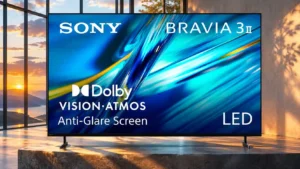
Overall: 3.8/5
Optional strobing can reduce persistence blur, but its 120Hz flicker produces distracting duplicated images with 60fps footage.
Pros: HDMI 2.1 port count, overall satisfaction
Cons: HDR performance, bass performance
#13
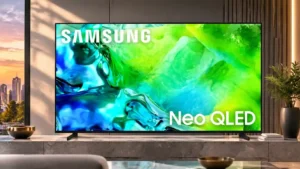
Overall: 3.8/5
Optional LED Clear Motion is difficult to recommend: it noticeably darkens the image and can introduce double-image artifacts.
Pros: picture quality, contrast ratio
Cons: blooming control, glare resistance
#14
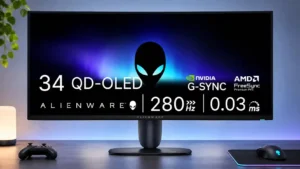
Overall: 4.4/5
Unlike some higher-priced rivals, this model omits a black-frame-insertion option for further reducing perceived blur.
Pros: brightness, value for money
Cons: port selection, built-in speakers
#15
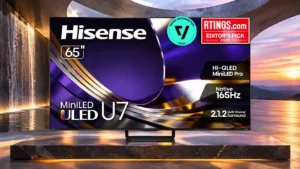
Overall: 4.2/5
The black-frame insertion option is compromised by image duplication and a pronounced loss of brightness.
Pros: overall satisfaction, glare resistance
Cons: motion handling, viewing angles
#16
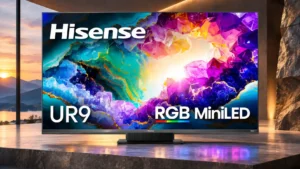
Overall: 4.1/5
Black frame insertion fails to provide a clean improvement: image duplication and blurry pulses undermine its purpose.
Pros: peak brightness, picture quality
Cons: value for money, color accuracy
#17
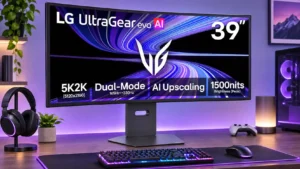
Overall: 4.1/5
A dedicated black-frame-insertion mode is missing, leaving a gap for gamers who want further sample-and-hold blur reduction.
Pros: Resolution, overall satisfaction
Cons: value for money, Image scaling
#18
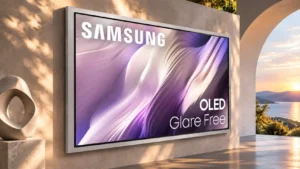
Overall: 4.2/5
Black-frame insertion has a narrow 60Hz operating range and leaves some residual blur, limiting its appeal.
Pros: picture quality, overall satisfaction
Cons: design and appearance, Dolby Vision support
#19

Overall: 3.5/5
The 60Hz strobing behavior can leave image duplication rather than delivering perfectly clean moving objects.
Pros: art display mode, design and appearance
Cons: overall satisfaction, HDMI port accessibility
#20
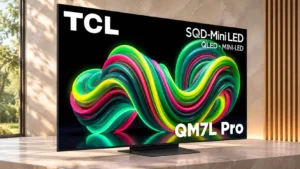
Overall: 4.1/5
Optional backlight strobing operates at 60Hz and 120Hz but introduces image duplication and fails to eliminate the television’s motion softness.
Pros: picture quality, black levels
Cons: viewing angles, motion clarity
#21
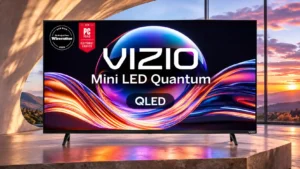
Overall: 2.9/5
The optional Clear Action feature dims the image and can introduce double images or flicker without meaningfully improving motion clarity.
Pros: value for money, picture quality
Cons: account requirements, gaming performance
#22
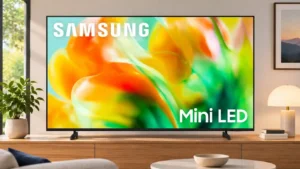
Overall: 3.1/5
The optional strobing mode is a poor fix for motion blur: it can produce double images, flicker and even lower brightness.
Pros: gaming performance, color accuracy
Cons: value for money, overall satisfaction
#23
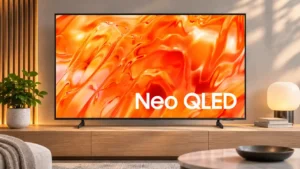
Overall: 3.1/5
The optional motion-sharpening strobe produces double images, making it a poor remedy for the TV's motion blur.
Pros: picture quality, overall satisfaction
Cons: sound quality, black levels
#24
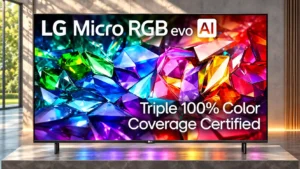
Overall: 4.0/5
Black-frame insertion causes obvious double images, so enabling it is unlikely to improve perceived action clarity.
Pros: peak brightness, picture quality
Cons: value for money, viewing angles
#25
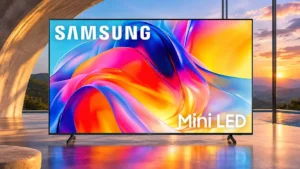
Overall: 2.6/5
Black-frame insertion produces distracting doubled images, so it is of little use for improving motion clarity.
Pros: sound quality, picture quality
Cons: value for money, local dimming performance
#26
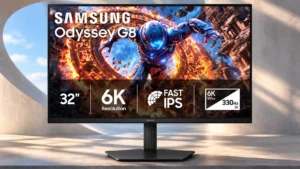
Overall: 3.5/5
There is no strobing blur-reduction option, a missed feature for players prioritizing maximum motion sharpness.
Pros: Resolution, sharpness
Cons: value for money, HDR performance
#27
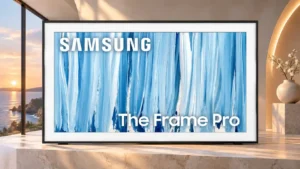
Overall: 3.8/5
Black-frame insertion brings obvious double images instead of delivering cleaner moving objects.
Pros: cable management, design and appearance
Cons: value for money, Dolby Vision support
#28
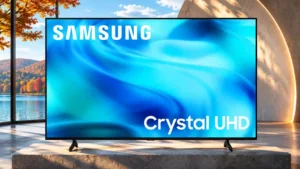
Overall: 2.7/5
Black-frame insertion creates a distracting double image because its pulse timing is imperfect.
Pros: white balance accuracy, design and appearance
Cons: overall satisfaction, value for money
