
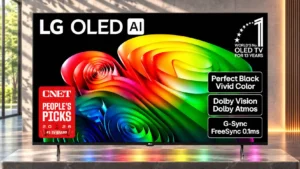
LG B6 OLED 2026 Feature Scores
Overall Scorata score: 3.8/5
Based on 13 analyzed reviews · View source samples
Explore all 84 feature scores for LG B6 OLED 2026, organized into pros and cons.
Scores by Feature
Summary
84 reviewed features-
Very positive 4.5-5.033 (39%)
-
Positive 3.5-4.422 (26%)
-
Neutral 2.5-3.411 (13%)
-
Negative 1.5-2.418 (21%)
Pros
Sort
-
Smooth action, responsive controls and a comprehensive feature set make gaming a standout strength.
-
A narrow bezel and slim OLED profile keep attention on the picture. The faux-marble back and plastic accents divide opinion.
-
The B6 usually delivers the deep black levels expected from OLED. One detailed test, however, found greyish raised blacks in particular dark scenes.
-
Rich colors, clean details and deep OLED contrast make the B6 attractive for films and games. Some tests expose green tint and darker-scene inconsistencies.
-
Four full-speed HDMI 2.1 inputs are unusually generous at this price and allow multiple modern consoles or other devices.
-
Measured lag around 8.9ms in boost mode and immediate-feeling inputs keep fast games responsive.
-
Dolby Vision adds impressive punch to movies and games and offers an HDR advantage over Samsung’s equivalent entry OLED.
-
webOS 26 offers broad apps and navigable menus, with a few complaints about advertising, interface design or sluggishness.
-
Game Optimizer improves latency and gives straightforward access to relevant settings, making modern games feel smoother.
-
Games and fast sports maintain detailed, readable motion with minimal visible artifacts.
-
Support for both major VRR ecosystems helps minimize tearing and smooths variable frame rates.
-
Bold blues, reds and oranges look vivid and engaging, especially in Dolby Vision. Newer RGB displays can show still more saturation.
-
Several comparisons praise 144Hz with VRR as a bonus for PC gaming, while console play remains centered on 120Hz.
-
The built-in platform covers mainstream streaming, catch-up services and more specialized media apps.
-
The B6 earns enthusiasm for an affordable OLED with striking picture and gaming, balanced against meaningful quality and price caveats.
-
Self-lit pixels produce vivid contrast and distinct light-against-dark separation, though some tests found crushed shadow detail or raised blacks.
-
Dolby Vision films and games look vivid with bright highlights and impressive shadow contrast. Heavy glare or inaccurate colors can reduce the effect.
-
Controlled lighting shows off strong OLED contrast and color, although raised blacks appeared in one demanding test.
-
Fast OLED pixel transitions keep rapid movements crisp, giving games an immediate, blur-free feel.
-
Popular international services and regional catch-up apps are available and generally run well.
-
Native 4K/120Hz gaming is a major strength for consoles, though the step-up C6 offers an even higher PC refresh ceiling.
-
Dolby Vision, HDR10 and HLG give broad movie compatibility; HDR10+ remains absent.
-
Most testers find webOS menus intuitive, although AI features and the pointer can feel cumbersome until familiar.
-
Hair, skin and textures generally look crisp without excessive sharpening. The C6 can look slightly more defined in difficult material.
-
Fast play and sports generally remain clean and smooth, especially after choosing suitable motion settings.
-
Speech is usually clear enough for daily television. Special speech modes can raise clarity further but sometimes damage tonal balance.
-
The B6 can be excellent value on sale, especially in B6E form. At similar prices, the older B5 or brighter C6 can be the smarter purchase.
-
The panel feels relatively solid and attractively slim, but the plastic finish and stand seem less premium than C-series hardware.
-
Automatic picture adjustments can unobtrusively improve viewing, though some AI enhancements seem unnecessary or overdone.
-
Small bright objects and highlights gain impact over the predecessor, but the B6 falls well behind the C6 in demanding HDR scenes.
-
Filmmaker and Cinema Home offer useful choices for films, and AI adjustments can help. Default modes can look overprocessed and correction of green tint is limited.
-
A rotating painting gallery makes the display appealing as background artwork in a living room.
-
The nearly bezel-free front makes the image the focal point, giving this entry-level set an expensive appearance.
-
Automatic detection lets the remote control connected streaming hardware smoothly.
-
The 83-inch version provides cinema-like scale that can feel more involving than a smaller, brighter flagship.
-
One owner found the B6 notably louder than a previous, more basic television.
-
The 120Hz panel gives PC games crisp, responsive movement.
-
Searching the TV guide with AI can quickly explain unfamiliar controls or settings.
-
The 83-inch option is especially appealing for viewers who value size and immersion over the brighter premium models.
-
The slim panel looks neat mounted on a wall, and mounting avoids the polarizing two-legged stand.
-
Peak highlights are brighter than on the B5, giving HDR more punch. The C6 and other newer alternatives can still be substantially brighter.
-
The included feet held securely in one detailed test, though another tester preferred wall mounting to trust the two-legged arrangement.
-
HD streams and online videos become sharper and more colorful, though processed low-resolution content still cannot match native 4K.
-
AI Picture Pro adapts to ambient conditions and program type, producing pleasing results without manual intervention.
-
Third-party Bluetooth controller pairing is a useful extra for game-streaming services.
-
The TV offers a large collection of ready-to-play channels alongside subscription apps.
-
Game Optimizer collects useful settings and latency tweaks without complex menu navigation.
-
HDR accents can glisten with color and detail, though brighter OLED alternatives add more punch.
-
Movie pans are smoother with Cinematic Movement, and the Natural setting helps sports. Poor default choices can make motion look unnatural.
-
TruMotion’s Cinematic Movement reduces panning judder without an overwhelming effect, while stronger settings suit fast sports.
-
AI Sound Pro and speech enhancement provide useful choices, although fewer sound presets and some artificial processing disappoint.
-
Reorganized menus make common controls faster to reach. The B6 can feel less snappy than the C6.
-
Grainy SDR material stays generally natural, with little distracting picture noise.
-
HDMI, audio and network connections cover most home setups, though USB-C DisplayPort would have added flexibility.
-
Some testers found webOS 26 fast and stable; another noticed it occasionally lagging under heavier software.
Cons
Sort
-
Deep bass lacks force, leaving movie engines, music and explosions flatter than the OLED picture suggests.
-
Reflections are a major weakness in several tests, particularly near lights and windows. One workshop demo was more forgiving.
-
Strong room lighting reflects off the glossy panel and can wash out black depth, limiting the B6’s bright-room usefulness.
-
Wide-spaced feet can require a much larger TV cabinet than the screen’s slim appearance suggests.
-
Stereo separation remains close to the screen; AI processing can widen it a little but does not provide convincing cinematic space.
-
Basic plastic feet look cheaper than the previous B5’s metal hardware. One unboxing also found stand screws awkward to align.
-
Extra brightness helps with daylight viewing, but mirror-like reflections may still overwhelm the picture. Brighter presets can help somewhat.
-
Large homepage banners and promotional content in LG apps can distract from the app selection.
-
A programmable favorite key helps, yet awkward shortcut placement and absent direct controls annoy some owners.
-
Dolby Atmos compatibility is welcome, but the small speakers create only restrained height and surround effects.
-
Built-in audio offers intelligible dialogue and some detail, but thin bass and limited spatial reach call for a soundbar.
-
One close inspection found uneven near-black areas that took on a grey, raised appearance.
-
A demanding dark-scene test revealed visible flicker around black opening titles.
-
Speech enhancement improves intelligibility at the cost of natural tone and balance in some material.
-
Limited color controls make the occasional green cast harder to correct fully.
-
Complex and loud sound effects can create audible distortion, especially with processing enabled.
-
Processing improves ordinary streams, although the optional sharpening mode can make details look artificial.
-
The rear-firing speakers are usable for casual TV but can sound tinny and lack body.
-
Wi-Fi 5 connectivity feels dated compared with more modern wireless support.
-
Shadow detail is often well defined, but one tester saw blocked-out background objects and another lost detail while adjusting blacks.
-
Color coverage remains respectable, yet one test measured less coverage than the older B5 and the C6 offers a wider gamut.
-
The Magic Remote offers helpful shortcuts, but its shiny plastic body feels dated beside premium competitors.
-
Phone-based setup can be fast, but one tester had substantial ThinQ login issues and another struggled with stand hardware.
-
HDR10+ is missing, but the omission is considered relatively minor given support for other popular HDR formats.
-
Fullscreen HDR gains over the B5 are smaller than the brighter peaks suggest, with some modes falling behind.
-
The B6 can present realistic detail and strong SDR color, but a green cast, overbrightening and occasional near-black faults compromise consistency.
-
DVD and other lower-resolution material generally stays watchable, with decent texture and grain control but some softness and limited final sharpness.
-
Natural-looking skin and excellent measured SDR color impress some testers, but green-tinted greys and faces repeatedly undermine confidence.
-
The Magic Remote’s pointer and shortcuts divide opinion: some love the fast selection, while others prefer buttons or dislike pointer drift.
Use Cases
Best for
Sort
-
Discount hunters can get a lot of OLED performance for the money, but should compare the B5, B6E and C6 before paying.
-
Responsive OLED motion and variable refresh are attractive on PC, with some reviews noting a 144Hz VRR option.
-
Four modern HDMI ports, 4K/120Hz and very low input lag make the B6 a natural fit for current game consoles.
-
Films look vivid and immersive in controlled lighting, particularly with Dolby Vision. Green casts and limited audio can weaken the cinematic effect.
-
Dolby Vision films and series look rich, and major streaming apps are available. A darkened room shows the picture at its best.
-
Rich picture quality, clear basic dialogue, easy apps and even ambient artwork make daily use appealing.
-
Adding a soundbar remedies the B6’s thin bass and narrow stage, letting its strong OLED picture lead the experience.
-
Games benefit from bright OLED highlights and Dolby Vision support, with strong visual detail during fast action.
-
Fast action generally keeps up with the play, with motion smoothing helping balls and pans stay intelligible.
-
HD material upscales well with clearer detail, and SDR colors compare favorably with more expensive models in some testing.
Conditional or not ideal for
-
Bright-room viewingGlossy reflections from windows or overhead lights make the B6 a questionable choice for very bright spaces.