Best for image processing
TCL QM8L
5.0 attribute score
Highest scored product for this attribute based on supporting review evidence.

Highest scored product for this attribute based on supporting review evidence.
Balances the attribute score, supporting reviews, and overall product strength.
Has the broadest review evidence for this attribute.
Strongest overall product among items with scored evidence for this attribute.
Image processing earns unusually strong praise, particularly for AI super-resolution, contrast enhancement, and its ability to keep bright presets from falling apart. The processing is treated as a meaningful advantage...
Pros: overall satisfaction, value for money
Cons: smart TV platform, blooming control
Detail enhancement is subtle and effective rather than harsh. The processor adds texture and clarity while generally avoiding an overly processed appearance.
Pros: picture quality, value for money
Cons: stand quality, judder handling
Sony’s image processing is a major strength, producing natural, refined images and strong cleanup across a wide range of sources.
Pros: overall satisfaction, overall image accuracy
Cons: value for money, bass performance
Processing is a major improvement, adding restrained detail, effective upscaling, and solid motion control. It approaches premium competitors without fully matching the best Sony processing.
Pros: peak brightness, picture quality
Cons: color accuracy, viewing angles
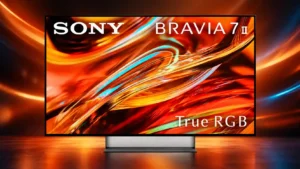
Sony’s processing remains a major advantage for detail, motion, scaling and tonal control. A small number of critical tests found some enhancements ineffective or overaggressive.
Pros: overall satisfaction, picture quality
Cons: HDMI 2.1 port count, reflection handling
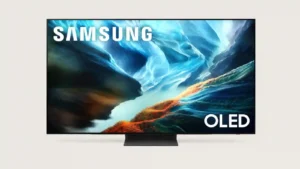
Samsung’s processor is capable and often excellent at detail, upscaling and cleanup, but some AI modes can over-brighten or cool the image and are better disabled for accuracy.
Pros: glare resistance, black levels
Cons: Dolby Vision support, color gamut

Sony’s XR processing is repeatedly singled out as class-leading, producing clean, natural, dimensional images and especially strong low-quality-source cleanup.
Pros: gaming performance, peak brightness
Cons: HDMI 2.1 support, HDMI 2.1 port count
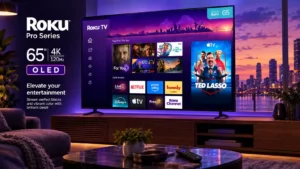
Smart Picture Max helps viewers get an appealing picture without adjusting menus. More demanding testing criticizes the broader processing tools and their limited effectiveness.
Pros: contrast ratio, value for money
Cons: peak brightness, HDR brightness
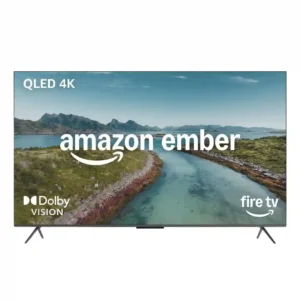
Sharpness and subject definition are good once settings are dialed in. The processing can create a convincing sense of detail without needing premium panel hardware.
Pros: picture quality, overall satisfaction
Cons: value for money, reliability

The Alpha 11 Gen 3 processor improves gradation, clarity, and detail, but low-quality sources can trigger ringing or aggressive smoothing that erases fine texture.
Pros: picture quality, peak brightness
Cons: value for money, sound quality
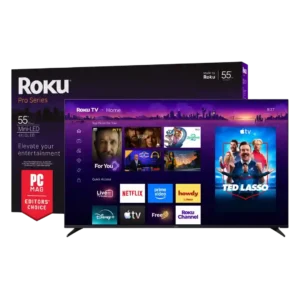
Roku’s Smart Picture processing can improve color, contrast, and scene-by-scene presentation, but automatic motion smoothing and low-light processing can become overly aggressive.
Pros: overall satisfaction, picture quality
Cons: reliability, portability and versatility
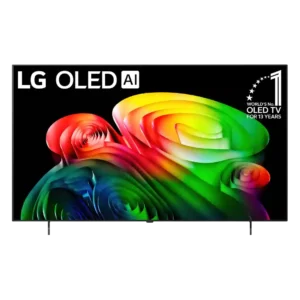
Image processing is useful overall, especially automatic picture adjustments, but aggressive sharpening can look artificial.
Pros: picture quality, value for money
Cons: stand quality, daytime viewing performance
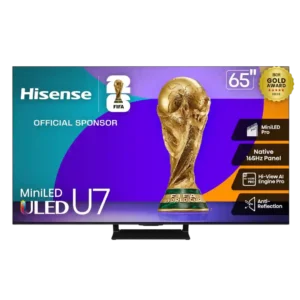
Image processing has improved and AI controls can add depth and clarity, but results vary and some reviewers still prefer more expensive processors.
Pros: overall satisfaction, picture quality
Cons: reliability, build quality
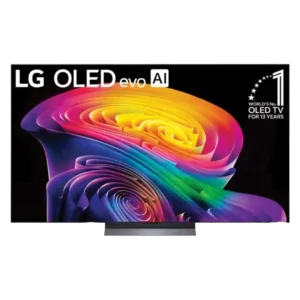
The Alpha 11 Gen 3 processor improves brightness, detail, noise cleanup, and menu speed. Some optional AI remastering modes are too aggressive and are better left off.
Pros: picture quality, gaming performance
Cons: value for money, sound quality
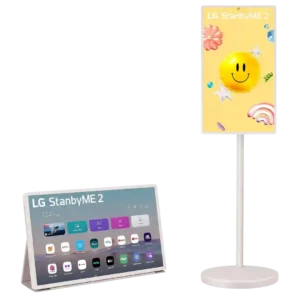
LG’s processing features can refine the picture, but the measured benefit is limited by the underlying edge-lit LCD. Dynamic Tone Mapping in particular was described as modest in practice.
Pros: overall satisfaction, portability and versatility
Cons: value for money, menu responsiveness